

Gazing heavenward for comfort
A double tragedy during a desert hike and the arrival of the F-35 fighter jet has papers looking up at the sky and seeing perhaps more than is there
 Add ToI as a Preferred Source on Google
Joshua Davidovich is The Times of Israel's Deputy Editor
Saturday and Sunday were especially deadly in the Middle East and Africa, even for a period marked by daily bloody victories for the forces of darkness. Bombings in Egypt, Turkey, Yemen, Nigeria and elsewhere killed so many people that two accidents in Africa that left over 200 people dead barely even registered a blip on the news radar.
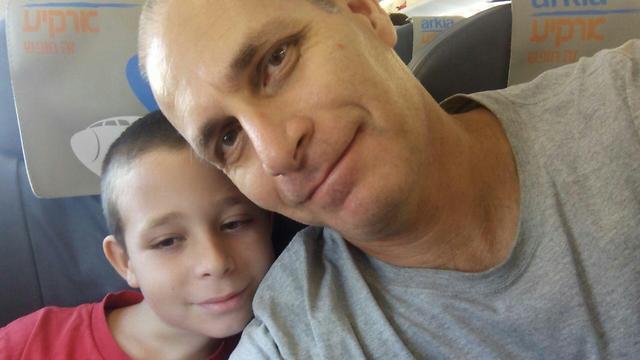
Yet it’s a local tragedy, an accident – not even an attack — that captures the attention of the Hebrew press Monday, after 10-year-old boy Elai Nir succumbed to his wounds after tumbling off a desert cliff, despite his father’s heroic and ultimately self-sacrificing efforts to save him.
For a second straight day, pictures of Elai, dad Omri, and the hike that spelled their untimely ends grace the front pages of Israel’s main tabloids as they grapple with the tragedy, pushing all the other death and mayhem that wreaked havoc throughout the region off the front of the papers.
Both tabloids pull the heartstrings hard, going beyond reporting the cold sad facts to projecting emotions and a hopeful belief in the afterlife onto their subjects, such as Israel Hayom’s headline: “Together forever.”
“Omri Nir wasn’t prepared to live without his son,” the paper reports, putting itself in the father’s head. “He hugged his 10-year-old son all the way into the chasm in an attempt to save him, knowing he could pay with his life. His heroic act managed to keep little Elai alive for two days, but unfortunately not more than that.”
It’s not just the papers who find room for flowery language. Yedioth describes the sadness that descended over the family home in the town of Kfar Vitkin, where friends “struggled to find words to comfort” the family.
“The loss is great, at least now they are hugging in heaven,” one friend is quoted saying.
Writing in the paper, Tahel Blumenfeld, who lost her brother in a similar manner 13 years ago, says there are no words of comfort possible.
“When you lose somebody in a terrible accident like this, something so senseless, there is no respite from the grief,” she writes.
Should someone go looking for a reason behind the tragedy, as Yedioth reporter Ilana Coreal does in retracting the steps of the hike and the fall, they are unlikely to find much succor from the Nature and Parks Authority, which tells the paper tens of thousands of hikers, including schoolkids, do the hike every year without a problem.
“When we got a report about the incident, the path was checked and no problem or security failure was found, including with the signage and aides to hikers,” the authority says, referring to the ladder Elai slipped off of. “Nature hikes in certain natural areas are not totally free from danger and unfortunately in this case there was a terrible tragedy.”
Senseless tragedy also rules the day in broadsheet Haaretz, where the front page is taken up with a picture of carnage at a Cairo cathedral, where 25 people were killed in a bombing a day earlier.
The paper’s Zvi Bar’el writes that both the Cairo bombing and twin blasts in Istanbul have been attributed to local groups in Egypt and Turkey — Muslim Brotherhood-linked Hasam in Cairo and Kurdish TAK in Istanbul, — putting both governments in a spot where they can’t simply expel terror but also can’t negotiate with it. Or so they think, creating a situation which reminds him of something closer to home.
“Turkey and Egypt are trapped in the same quagmire, like Israel is in its war against Palestinian terror. All three countries understand that physical fighting won’t necessarily end terror. Yet at the same time, any attempt to negotiate with the terrorist organizations is considered treasonous and defeatist,” he writes.
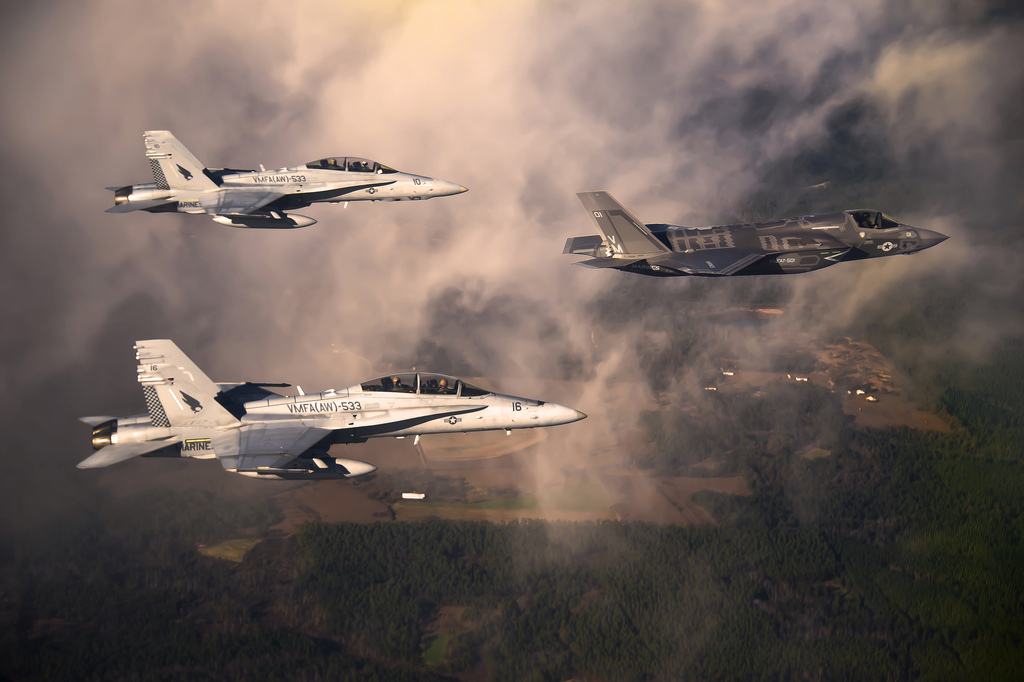
Israel has one thing those countries don’t, or at least it will in the coming hours – the F-35 Lightning II fighter jet to bomb those terrorists to smithereens, and excitement in the papers remains high for the arrival of the fifth generation aircraft.
“I’m so excited, I still haven’t absorbed it,” a member of the unit that will fly the F-35s tells Israel Hayom, which calls the arrival of the planes the dawning of a “new era.”
Yedioth’s report starts off with a history lesson of how Syrian anti-aircraft batteries managed to down 100 Israeli planes in 1973. “Forty-three years after that war, a fighter jet will land at Nevatim air base that is expected to free them for the first time from the challenge of the missile batteries thanks to its evasive abilities,” the report reads.
But commentator Yossi Yehoshua is a bit more grounded, writing that the evasive edge won’t last.
“It’s safe to assume that already today powers are working diligently to build systems to overcome this evasiveness, including Iran which has in its hands a full American drone with its evasive maneuver technology, and the results will be seen,” he writes, adding that Israel needs to strike while the iron is hot, including jimmying its own new weapons systems onto the plane to give an even greater edge.
The F-35 doesn’t get much love from Haaretz, which leads its paper with Prime Minister Benjamin Netanyahu telling “60 minutes” he’ll work with Trump to dismantle the Iran deal.
But despite the high hopes, analyst Chemi Shalev notes that should Trump pick former Exxon chief Rex Tillerson as his secretary of state, as he is expected to do, Jerusalem will likely be disappointed, given the circumstantial evidence of his ties to the oil industry.
“Tillerson, it seems, is a blank slate as far as Israel is concerned, with less than favorable credentials: the oil industry traditionally keeps its distance from Israel and from Jews and is far more attentive to the oil-rich Arab world,” he writes. “Tillerson could also prove to be a moderating force on the nuclear deal with Iran, compared to Flynn and Mattis, who are thought to be hostile. He is no fan of sanctions and his industry traditionally tries to steer clear of confrontations and hostilities in the Middle East that could upset the delicate oil market.”






The Times of Israel Community.