

Meretz chief accuses Netanyahu of ‘serving apartheid lobby’
Zehava Galon says settlement expansion plan akin to ‘unilateral annexation,’ warns of rising tensions in ‘pressure cooker’ East Jerusalem
 Add ToI as a Preferred Source on Google
Tamar Pileggi is a breaking news editor at The Times of Israel.
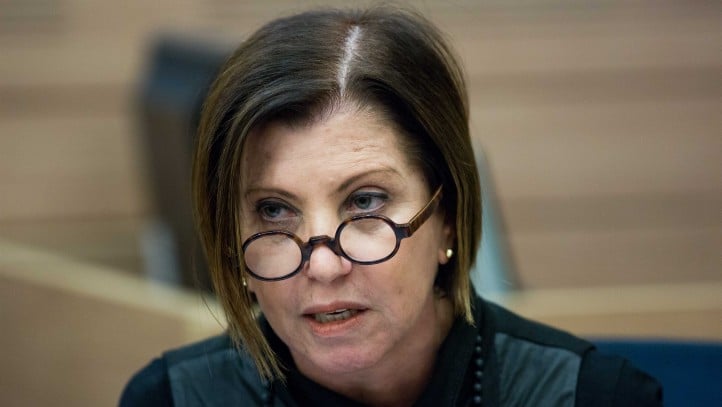
Meretz party chairwoman Zehava Galon on Monday blasted Prime Minister Benjamin Netanyahu’s plan to expand Israeli construction in the West Bank and East Jerusalem, saying the pledged move proved his government “operates at the service of the apartheid lobby.”
The left-wing party leader told Army Radio that Netanyahu’s intention to ease building restrictions in contested areas amounted to “unilateral annexation” and would only serve to inflame Israeli-Palestinian tensions.
“One who surrounds and restricts the Palestinian neighborhoods of East Jerusalem is in service of the apartheid lobby. There has been an attempt by the Israeli government in recent years to Judaize East Jerusalem,” she said.
Galon went on to warn that Israeli government policies — not US President Donald Trump’s contentious promise to move his country’s embassy to Jerusalem — would ignite violent clashes among Palestinian residents of Jerusalem.
“When the state abandons the security of East Jerusalem residents without doing anything to improve their lives, the subsequent violence will not be over transferring the embassy, but the pressure cooker that Netanyahu is heating,” she said.
“All of the talk of the significance of relocating the embassy distracts from the the true policies of the Israeli government in East Jerusalem,” Galon added.
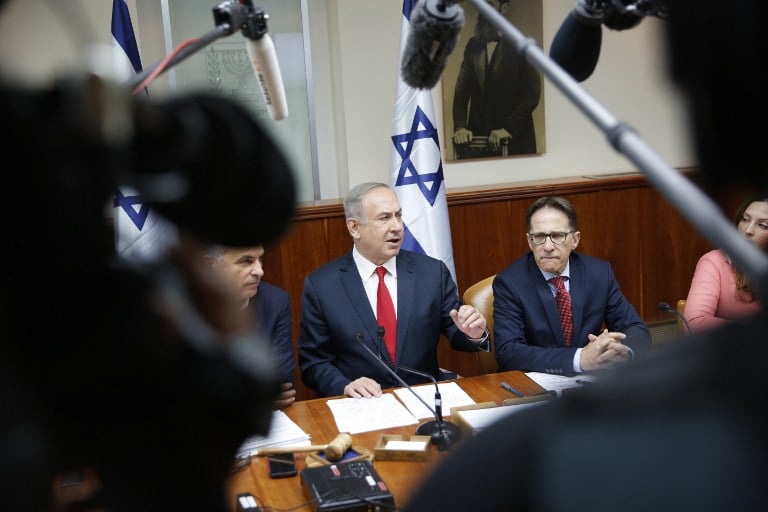
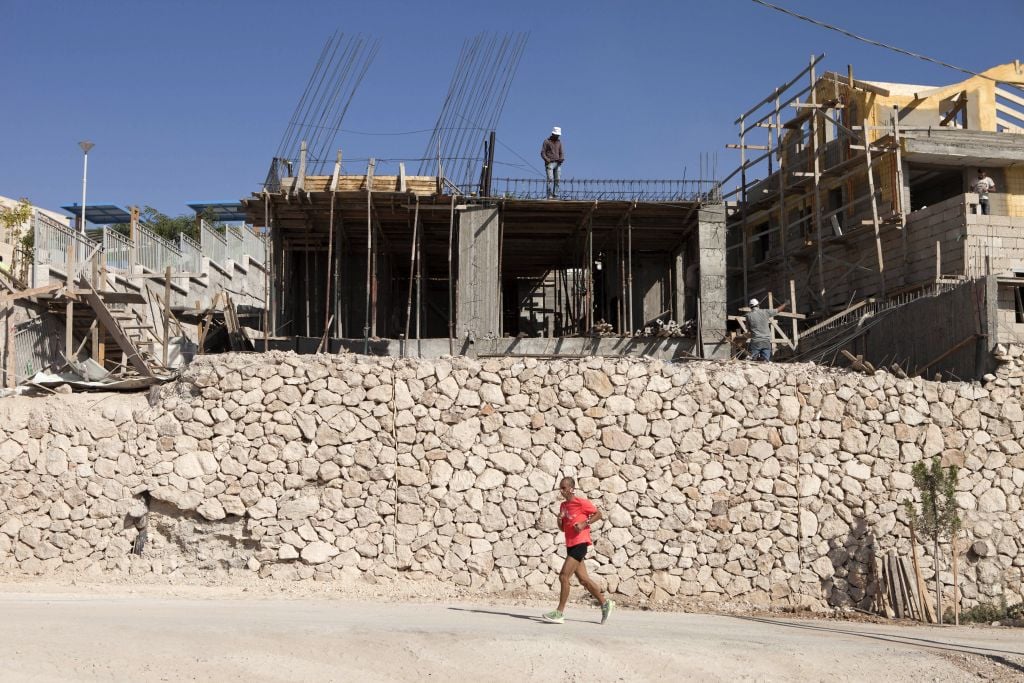
Her remarks came a day after Netanyahu informed the high-level security cabinet he would soon announce expanded construction in the major West Bank settlement blocs and remove political obstacles from regional and local planning committees in order to ease construction in East Jerusalem.
The prime minister also told ministers that his “vision” is that all of the settlements in the West Bank will ultimately come under Israeli sovereignty in any accommodation, Channel 2 news reported.
Netanyahu’s declaration on Sunday convinced ministers from the settlement-backing Jewish Home party to postpone a cabinet vote on a bill to annex a large West Bank settlement on the outskirts of Jerusalem for at least a month.
The controversial bill, brought by Jewish Home’s leader, Education Minister Naftali Bennett, would extend Israeli sovereignty to Ma’ale Adumim.
Instead, the cabinet voted unanimously to shelve the proposed legislation until after an expected meeting between Netanyahu and US President Donald Trump next month.
Later on Sunday, Netanyahu and Trump spoke on the phone for the first time since the US president assumed office over the weekend, in what the prime minister’s office called a “very warm” conversation.
The two leaders discussed the Iran deal, the peace process, and “other issues,” Netanyahu’s office said without elaborating.
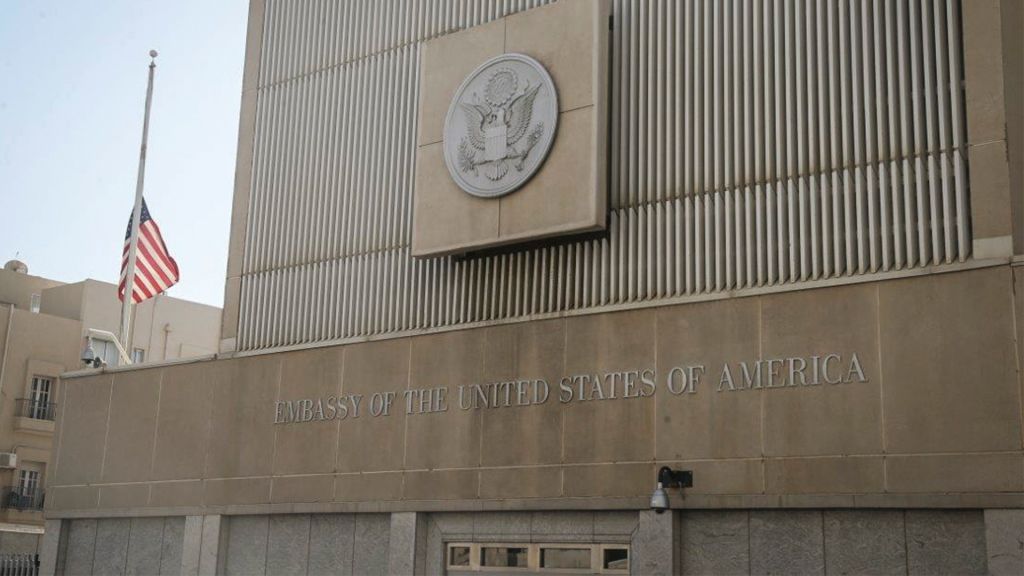
Neither the White House nor the Prime Minister’s Office made any mention of the embassy move in statements sent out following the phone call, but an hour before the call, Trump’s press secretary confirmed the administration had begun mulling moving the US embassy to Jerusalem.
“We are at the very beginning stages of even discussing this subject,” Spicer said in a statement, apparently indicating an actual move could be a long time away.
The statement contrasted with reports over the last several weeks that the announcement of the move could come as early as this week, but also confirmed that the administration intends to at least entertain the plan, despite warnings from the international community that it could significantly ramp up tensions in the volatile region.
While far from a full announcement of the move, as some had expected would be in the offing, Spicer’s statement still represented the most serious commitment by a sitting US president to transfer the embassy, a move Israeli officials have pushed for over decades.
Despite the vague language from Trump officials, the president’s campaign promise has been repeatedly hailed by some Israeli officials.
Jerusalem Mayor Nir Barkat and Israel’s New York consul general, Dani Dayan, said they believed the new administration intended to follow through on moving the embassy.
Speaking to Army Radio on Monday, Dayan said that while the exact plans remained elusive, he believed that Trump “is interested in fulfilling his promise, [and] therefore I think that it will happen.”
Meanwhile, Barkat told the radio station that based on his conversations with US officials, the administration was “serious in [its] intention” to move the embassy.
Trump, like other US presidential candidates, has promised to make the embassy move. But previous American presidents have avoided following through on that pledge in part because of concerns that it would inflame tensions in the Middle East.
Joshua Davidovich contributed to this report.



The Times of Israel Community.