

Most soldiers believe commanders won’t back them if they err
41% fear IDF would abandon them after making error on duty; army official downplays findings as circumstantial
 Add ToI as a Preferred Source on Google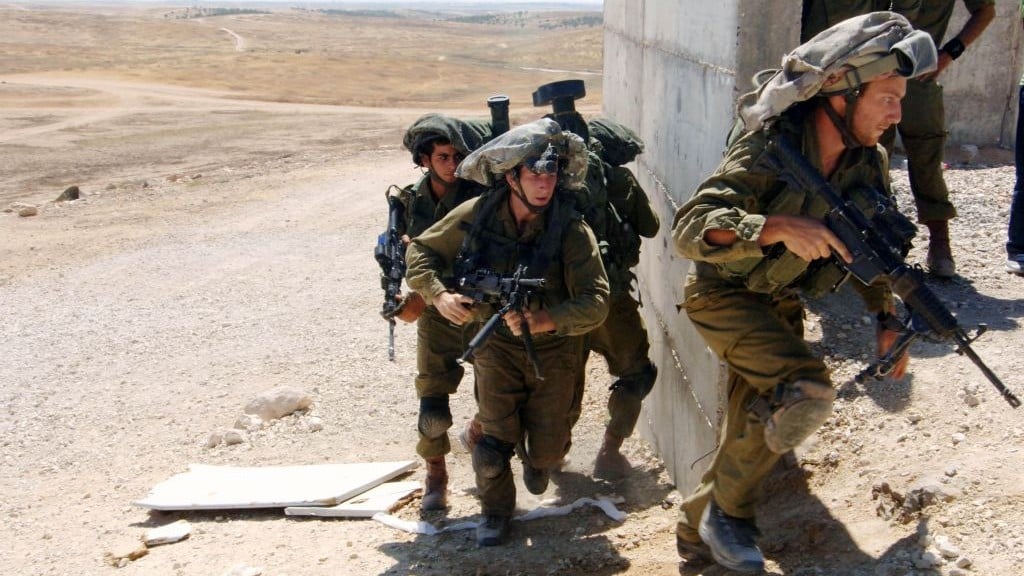
Fewer than half of IDF combat soldiers trust that their commanding officers would fully back them if they made a mistake while carrying out their duties, according to data presented at the Knesset on Friday.
Findings presented to the Knesset Foreign Affairs and Defense Committee during a discussion on the falling rates of enlistment to combat units indicated that only some 41 percent of Israeli soldiers trust their commanders would back them.
In the wider army population, some 51% of soldiers answered similarly.
The data was cause for concern among MKs on the committee.
“This is a product of how our own social dialogue that affects young people,” said Zionist Union MK according the Israel Hayom daily. “We at the Knesset should be more aware of what and how we say things, because there are consequences.”
The issue resonates because of the ongoing case of Sergeant Elor Azaria, the IDF solider who last month was convicted of manslaughter for killing a wounded Palestinian stabber in Hebron last year. In his defense he claimed that the army was using him as a scapegoat, in a case that has deeply divided the country.
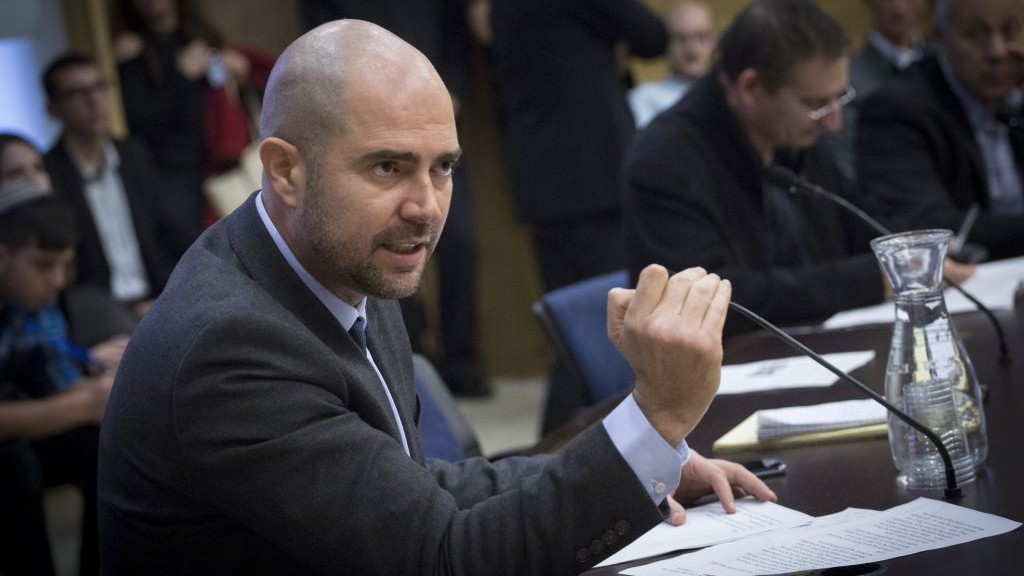
Likud MK Amir Ohana said the “fact that most combat soldiers do not believe they will be backed up if they make a mistake is alarming, and indicative of a change in the army’s enterprising spirit to a place of fear.”
However, Col. Eran Shani, the head of the army’s Human Resource Planning and Management Department, said the data may not be as alarming at it seems.
Shani said that while the number was low, it was included as a question in a yearly survey in 2016 and was carried out just weeks after the Hebron shooting incident.
In addition, Shani noted this was the first time the question was posed to soldiers, and there is no previous data taken from previous years to measure it against.
“We’re not seeing a trend of protest in the dialogue between soldiers and commanders,” Shani told the committee.
In the face of strong condemnation of Azaria’s actions by top military brass, including IDF Chief of Staff Gadi Eisenkot, far-right supporters and some politicians have accused the defense establishment of abandoning one of its own.
Azaria’s conviction sparked a vicious debate in Israel, with many saying he was just doing his duty and that he was scapegoated by the army. The army’s top brass, however, condemned the shooting immediately, with the military spokesperson saying at the time: “This is not the IDF, these are not the values of the IDF and these are not the values of the Jewish people.”
Nearly three-quarters of Israelis — 73% — feel the army’s top brass convicted Azaria in the press before the trial began, according to survey statistics released by the Institute for National Security Studies on Tuesday.
Right of center politicians, including Prime Minister Benjamin Netanyahu, and the center-left former Labor Party leader MK Shelly Yachimovich, have come out in favor of a pardon for the Kfir Brigade soldier.



The Times of Israel Community.