

PM phones Jordan’s Abdullah to condemn pilot’s murder
Netanyahu offers condolences to Hashemite ruler, praises decision to return Amman’s ambassador to Israel
 Add ToI as a Preferred Source on Google
Lazar Berman is The Times of Israel's diplomatic reporter
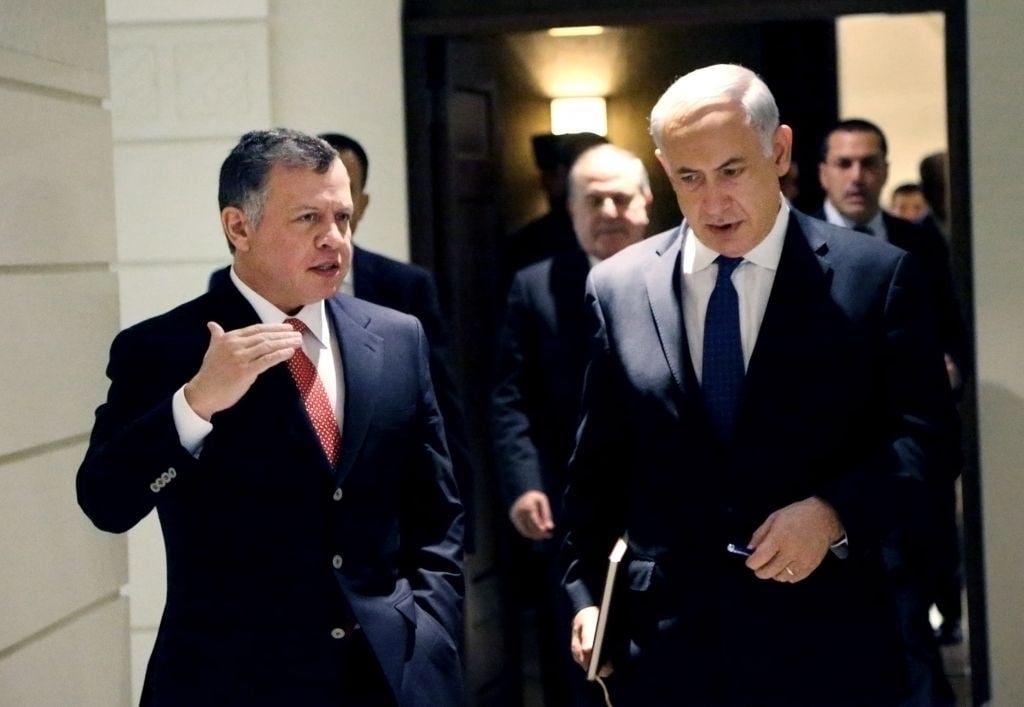
Prime Minister Benjamin Netanyahu spoke with Jordan’s King Abdullah by telephone Thursday, and offered his condolences for the murder of a Jordanian pilot at the hands of the Islamic State group.
“All civilized people are horrified at this barbaric cruelty, against which the entire world must stand united,” Netanyahu said of the burning death of Lt. Muaz Kasasbeh, according to a statement Thursday from the Prime Minister’s Office.
Islamic State terrorists released a video earlier this week showing the captured Jordanian pilot being burned alive in a cage.
Kasasbeh had fallen into the hands of the Islamic State in December when his F-16 crashed near Raqqa, Syria, the de facto capital of the Islamic State group’s self-styled caliphate. He is the only coalition pilot to be captured to date.
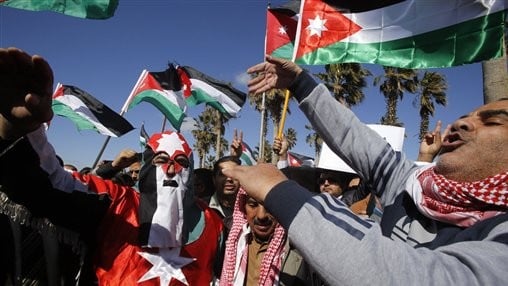
Jordanian fighter jets carried out new airstrikes earlier in the day, after the country’s king vowed to wage a “harsh” war against IS terrorists who control parts of neighboring Syria and Iraq.
Netanyahu also lauded the Jordanian decision on Monday to return the country’s ambassador Walid Obeidat to Israel after he was recalled three months ago over escalating tensions on the Temple Mount.
In his statement, Netanyahu welcomed “the shared concern for preserving the status quo at the holy sites.”
In the latter half of 2014, the Temple Mount became a source of friction between Israel and the Palestinians, with Palestinians frequently clashing with police in protests against Jewish visitors to the compound and Israeli politicians calling for Jews to be allowed to pray there, a call that would mark a change in the status quo at the site. By an agreement from the late 1960s between Israel and the Muslim religious authorities at the site, Jews and Christians may visit the compound, which is Judaism’s holiest and Islam’s third-holiest site, but only Muslims may worship there. Netanyahu has made clear he does not intend to change the status quo.
AP contributed to this report.










The Times of Israel Community.