

Sanders, Cruz emerge victorious in Wisconsin primaries
Democratic presidential contender marks latest in string of victories against Clinton; up against Trump, Republican candidate hails ‘turning point’
 Add ToI as a Preferred Source on Google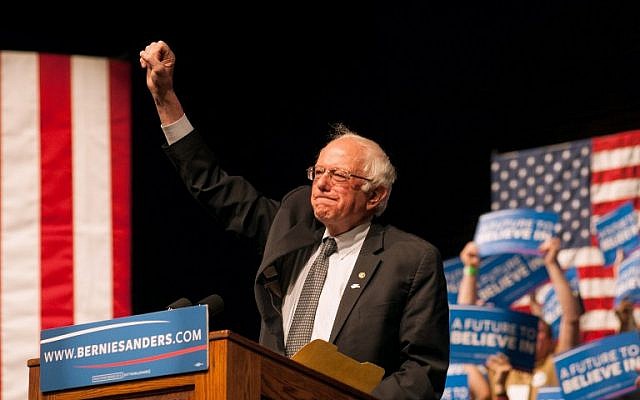
MILWAUKEE — Republican Ted Cruz stormed to a commanding victory in Wisconsin Tuesday, denting front-runner Donald Trump’s chances of capturing the Republican nomination before the party’s convention. Bernie Sanders defeated Hillary Clinton in the Democratic contest, a win that still leaves him with a mathematically difficult path to the White House.
Trump’s defeat capped one of the worst periods of his campaign, a brutal stretch that highlighted his weaknesses with women and raised questions about his policy depth. While the billionaire businessman still leads the Republican field, Cruz and an array of anti-Trump forces hope Wisconsin signals the start of his decline.
The results in Wisconsin make it likely both parties’ primaries will continue deep into the spring, draping front-runners Trump and Clinton in uncertainty and preventing both from fully setting their sights on the general election.
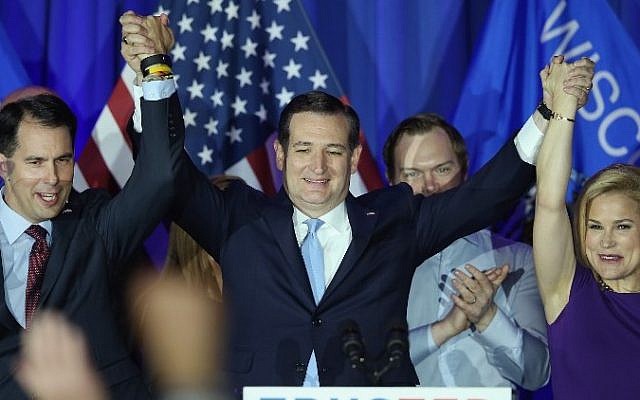
“Tonight is a turning point,” Cruz, an ultraconservative Texas senator, told cheering supporters at a victory rally. “It is a call from the hardworking people of Wisconsin to America. We have a choice. A real choice.”
Trump was unbowed. His campaign put out a biting statement: “Ted Cruz is worse than a puppet — he is a Trojan horse, being used by the party bosses attempting to steal the nomination from Mr. Trump.”
At a raucous rally in Wyoming, which holds a Democratic vote Saturday, Sanders cast his victory as a sign of mounting momentum for his campaign.
“With our victory tonight is Wisconsin, we have now won 7 out of 8 of the last caucuses and primaries,” he declared. “This campaign is giving energy and enthusiasm to millions of Americans.”
Sanders said his momentum gives him an “excellent chance” to win California, Oregon and other states.
“We have a path toward victory, a path toward the White House,” he declared.
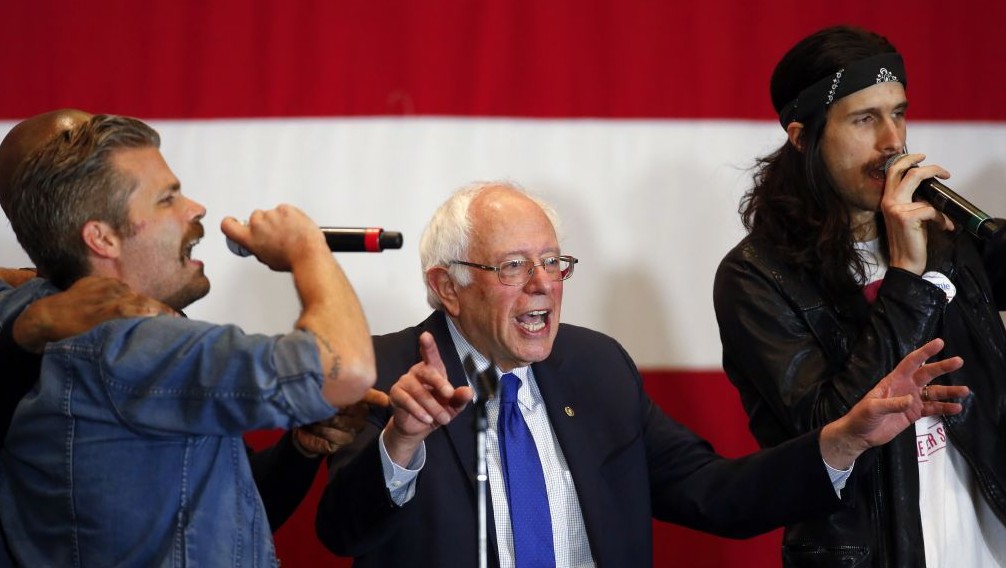
For Sanders, Wisconsin was the latest in a string of victories that have given him an incentive to keep competing against Clinton. But he still trails her in the pledged delegate count and has so far been unable to persuade superdelegates— the party officials who can back any candidate — to drop their allegiance to the former secretary of state and back his campaign.
The state was favorable territory for the Jewish self-styled social democrat, with an overwhelming white electorate and liberal pockets of voters, and the Vermont senator’s victory gives him a fresh burst of momentum.
Clinton congratulated Sanders on Twitter and thanked her supporters in Wisconsin. “To all the voters and volunteers who poured your hearts into this campaign: Forward!” she wrote.
Sanders’ win will net him a handful of additional delegates, but he’ll still lag Clinton significantly. With 86 delegates at stake in Wisconsin, Sanders will pick up at least 45 and Clinton will gain at least 31.
That means Sanders must still win 67 percent of the remaining delegates and uncommitted superdelegates in order to win the Democratic presidential nomination. So far, he’s winning 37 percent.
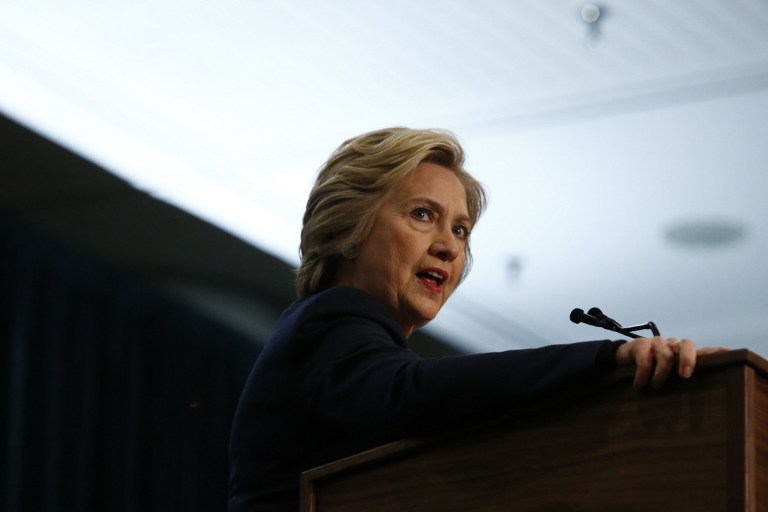
Heading into Wisconsin, Clinton had 1,243 delegates to Sanders’ 980 based on primaries and caucuses. When including superdelegates, the party officials who can back any candidate, Clinton holds a much wider lead — 1,712 to Sanders’ 1,011. It takes 2,383 delegates to win the Democratic nomination.
Clinton’s campaign has cast her lead as nearly insurmountable. Yet Sanders’ continued presence in the race has become an irritant for the former secretary of state, keeping her from turning her attention to the general election.
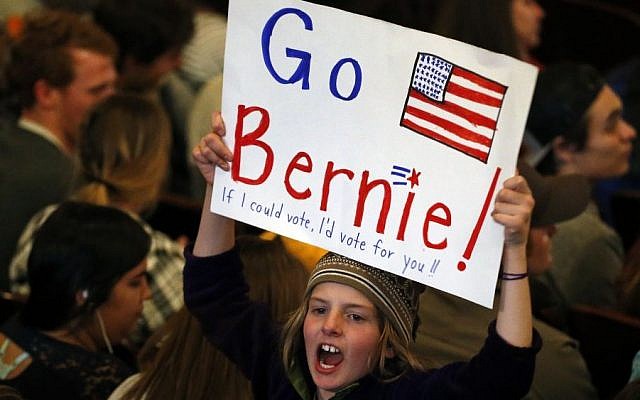
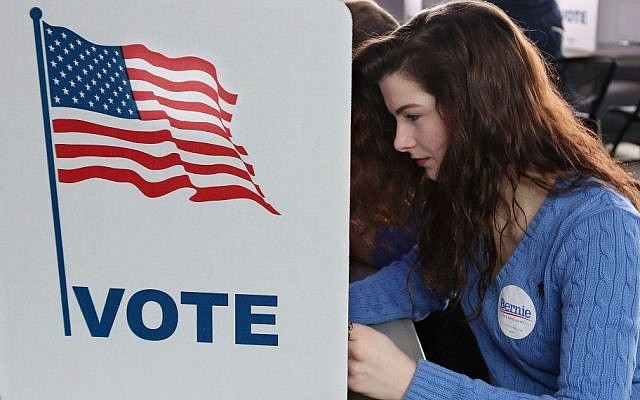
According to exit polls, Sanders has excited voters in Wisconsin, with more than half of Democratic primary-goers saying the senator inspires them more about the future of the country. But three-quarters of Democratic voters say Clinton has realistic policies.
The exit polls were conducted by Edison Research for The Associated Press and television networks.
Trump battled a series of campaign controversies in the lead-up to Wisconsin, including his campaign manager’s legal problems following an altercation with a female reporter and his own awkward stumbles in clarifying his views on abortion. Wisconsin’s Republican establishment, including Gov. Scott Walker, also campaigned aggressively against the businessman.
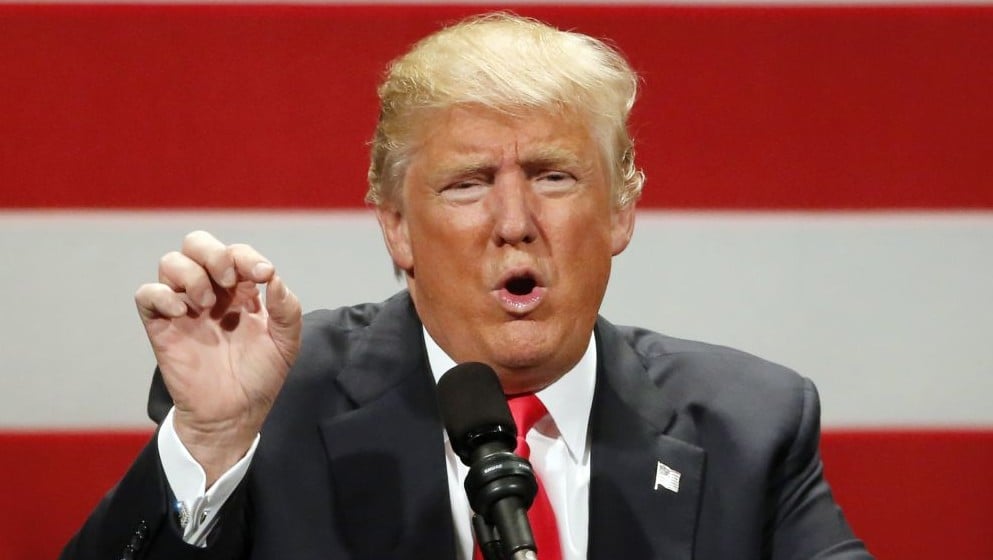
Exit polls in the state underscored the concerns about Trump that are surging through some corners of the Republican Party. Nearly 4 in 10 Republican voters in Wisconsin said they were scared about what Trump would do as president.
Complicating the primary landscape for both Cruz and Trump is the continuing candidacy of John Kasich. The Ohio governor’s only victory has come in his home state, but he’s still picking up delegates that would otherwise help Trump inch closer to the nomination or help Cruz catch up.
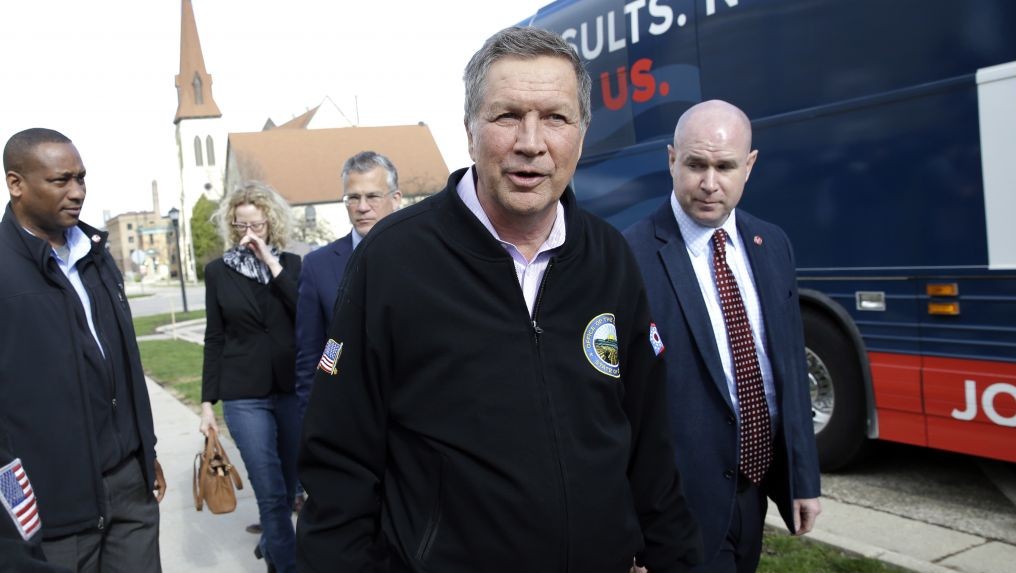
If Cruz wins all of Wisconsin’s 42 delegates, Trump would need to win 57 percent of those remaining to clinch the Republican nomination before the July convention. So far, Trump has won 48 percent of the delegates awarded.
Heading into Wisconsin, Trump had 737 delegates to Cruz’s 475, with Kasich trailing with 143.
To win a prolonged convention fight, a candidate would need support from the individuals selected as delegates. The process of selecting those delegates is tedious, and will test the mettle of Trump’s slim campaign operation.
Cruz prevailed in an early organizational test in North Dakota, scooping up endorsements from delegates who were selected at the party’s state convention over the weekend. While all 28 of the state’s delegates go to the national convention as free agents, 10 said in interviews that they were committed to Cruz. None has so far endorsed Trump.
Despite the concern among some Wisconsin Republicans about Trump becoming president, nearly 6 in 10 Republican voters there said the party should nominate the candidate with the most support in the primaries, which so far would be Trump. Even among voters who favored Cruz, 4 in 10 said the candidate with the most support going into the convention should be the party’s nominee.
Among Democrats, Sanders, a self-declared democratic socialist, has taken his dark-horse candidacy from a mere annoyance to Clinton to a serious challenge for the former first lady and US senator, who had largely been expected to take the Democrat nomination in a walk when the contest began last year.










The Times of Israel Community.