

Tough Iran talk, but chances for nuke deal
Even as Tehran backtracks on framework deal obligations, hopes increase that it will meet the US in the middle by June
 Add ToI as a Preferred Source on Google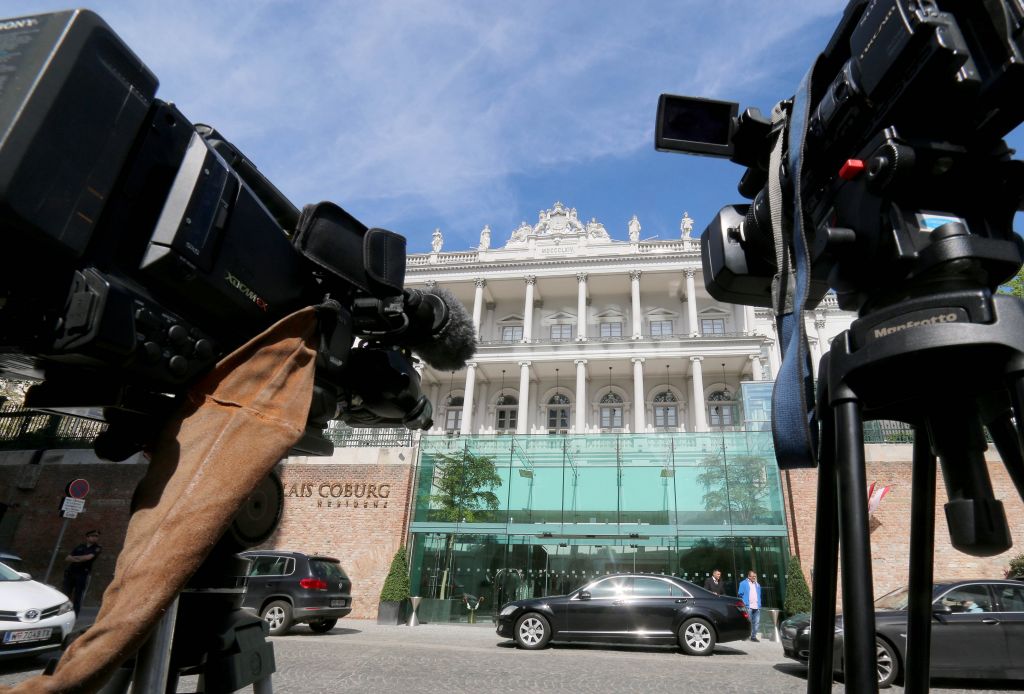
VIENNA (AP) — As Iran nuclear talks go into the home stretch, top officials in Tehran are digging in on positions that appear set to doom the negotiations to failure. But Iran seems ready to blink when it serves its negotiating strategy, which may bode well for a deal.
The sides on Wednesday began negotiating the last phases of a deal that would lift sanctions on Iran if it agrees to long-term curbs on its nuclear program. They wouldn’t have gotten there without compromises by both Washington and Tehran.
For Iran, that has meant climbing down from positions it initially described as not negotiable. That strategy of tough talk first and concessions later could be revived as negotiators work toward a June deadline.
For now, the Iranians are insisting on immediate sanctions relief while rejecting US demands for deeply intrusive monitoring to make sure Tehran hews to its obligations.
Both demands go against commitments Washington says Tehran has already made in the framework deal agreed to earlier this month — and both are potential deal breakers for a comprehensive accord. But that doesn’t seem to impress the Iranians.
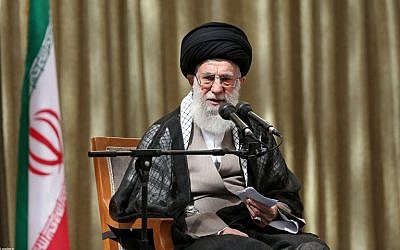
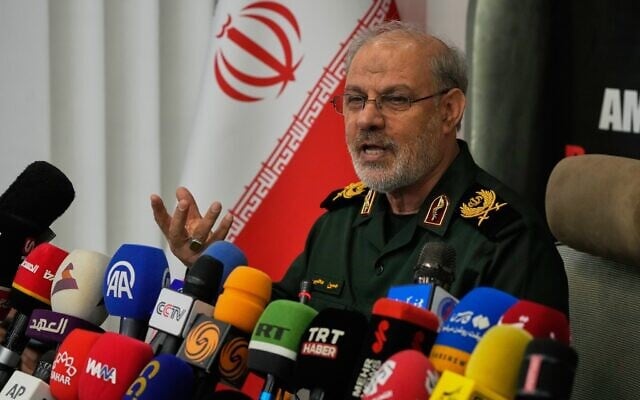
Iran’s supreme leader, Ayatollah Ali Khamenei, says all sanctions must be “lifted completely, on the very first day of the deal” and has declared that military sites are off limits “to foreigners … under the pretext of inspections.” Brig. Gen. Hossein Salami of the Revolutionary Guards warns that anyone setting foot into an Iranian military facility will be met with “hot lead” — a hail of bullets.
In fact, Iran must know that both positions are untenable, suggesting it is again pushing the envelope as a negotiating tactic. US President Barack Obama can lift sanctions imposed through executive orders but cannot instantly end others passed by Congress, let alone foreign countries.
There’s also an apparent disconnect between the limits laid down by Khamenei and Salami on verification of Iran’s commitments and what the Iranians have previously said they would allow.
A fact sheet published by Tehran earlier this month has it agreeing to implement the Additional Protocol, the International Atomic Energy Agency’s most potent monitoring instrument. Such an agreement would give that UN agency the right to push hard to probe any sites it suspects may be hiding nuclear activity — military installations included.
All of which leaves Tehran with two options — tone down expectations or walk away from the table. But abandoning the talks is unlikely, even if Iran dismisses as a bluff the latent threat of US or Israeli military strikes should negotiations fail.
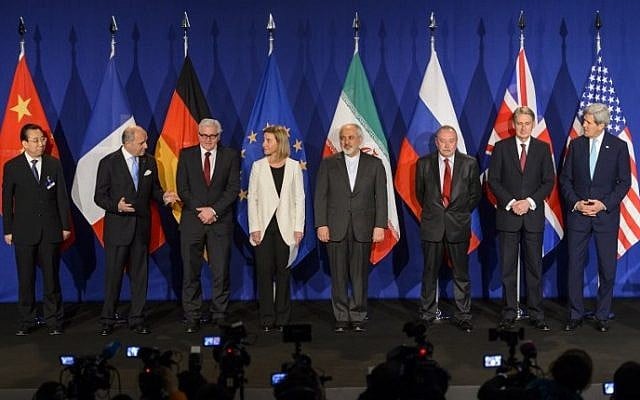
The current leadership needs an end to sanctions. Mass outbreaks of public joy greeted negotiators as they returned home with the framework agreement in their pockets earlier this month. Failure now would lead to economic gloom and the possible threat of social instability.
Iran instead is likely to return to the script it used to reach the framework agreement that opened the way to the present talks.
Iranian officials initially pledged that not a single piece of Iran’s nuclear infrastructure would be dismantled — but then agreed to halve the number of machines that could be turned to making nuclear arms. They also committed to restrictions not for the few years they originally demanded but for over a decade.
In the end, Iran met the Americans in the middle, and that is increasing hopes even among skeptics that it will do so again now.
Former US negotiator Gary Samore says he thought Khamenei “was serious about his red lines.” Now, he says, “I see he’s not.”
“The Iranian incentive to get sanctions relief is so strong that he is prepared to sacrifice or accept limits on his nuclear program.”
Copyright 2015 The Associated Press.




The Times of Israel Community.