

Did Germans ‘not shed a tear’ at Hitler’s death? Historian challenges longstanding narrative
In ‘The Long Death of Adolf Hitler,’ UK academic Caroline Sharples explores the grief, anger and indifference at the Führer’s demise – and why the ambivalence was largely lost to history
 Add ToI as a Preferred Source on Google
Robert Philpot is a writer and journalist. He is the former editor of Progress magazine and the author of “Margaret Thatcher: The Honorary Jew.”
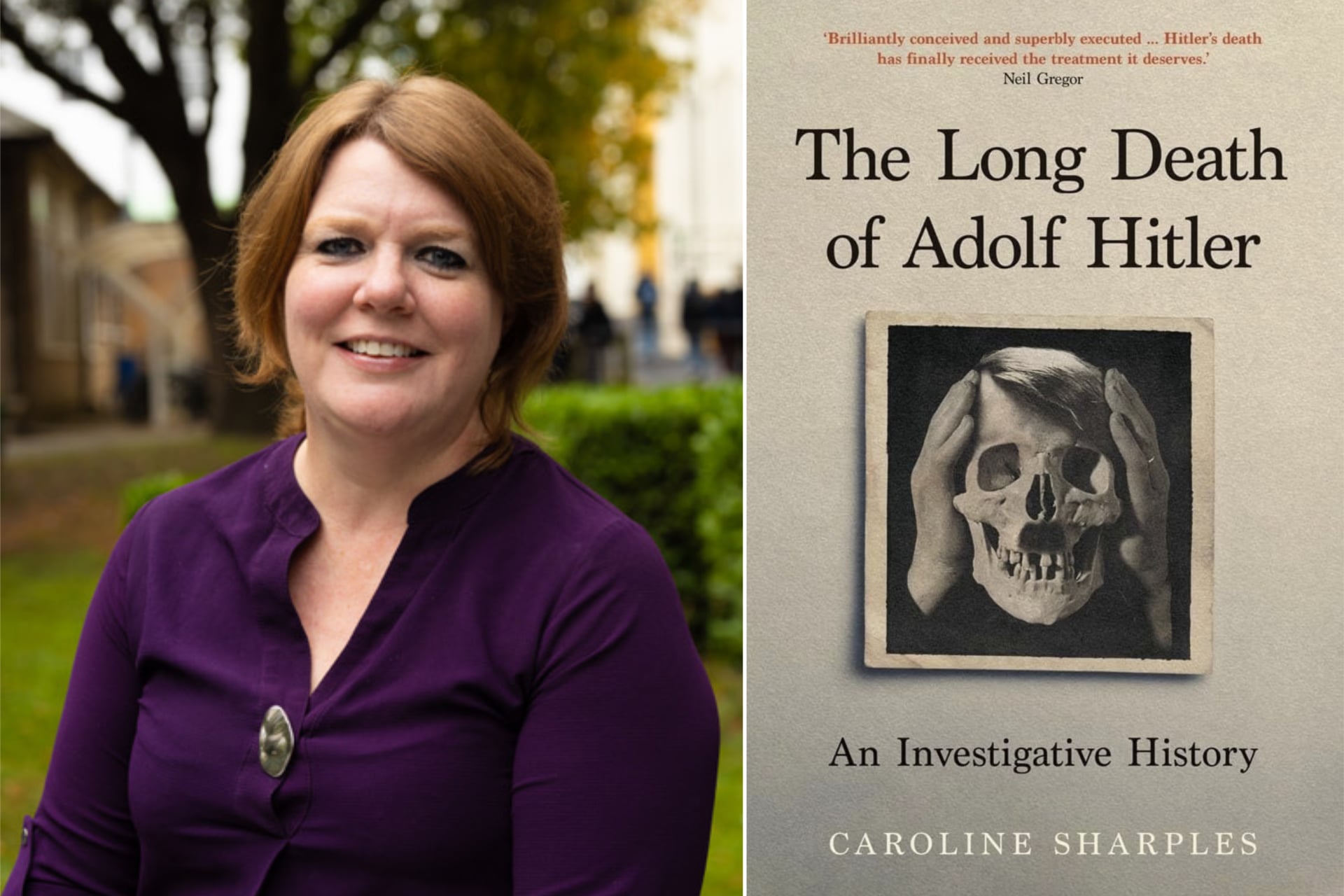
LONDON — Joseph Goebbels and his wife, Magda, weren’t the only Germans who couldn’t conceive of living on after their beloved Führer took his own life as the Third Reich faced imminent collapse in late spring 1945.
In a Bavarian public house, a group of ardent Nazis followed the propaganda minister’s lead and, on hearing the news of Adolf Hitler’s death on the radio, marched straight outside and shot themselves.
Their reaction, writes British academic Caroline Sharples in her new book “The Long Death of Adolf Hitler,” was exceptional. But, she argues, the longstanding standard historical narrative — that the German people did not mourn Hitler’s demise — is a “politically expedient” myth.
“It’s usually reduced to a line where people say ‘nobody mourned,’ but that’s just so simplistic,” Sharples tells The Times of Israel. “You have a 12-year Reich, let alone all the early followers who might have been there in the 1920s, built on this highly emotional investment in the Führer cult; surely someone feels something at that point?”
Her research throws new light on the wide range of emotions Germans — defeated, demoralized and, in many cases, destitute after more than five years of war — displayed on learning of their leader’s death.
It wasn’t, of course, as if thoughts of Hitler’s mortality hadn’t previously crossed Germans’ minds. Less than a year before, in July 1944, he had narrowly survived an audacious assassination plot, emerging to declare in a radio broadcast that his life had been saved by “providence.” That announcement had been preceded by several hours of false reports and rumors circulating widely in Germany that Hitler had indeed perished when a bomb exploded in the conference room of the Wolf’s Lair military headquarters in East Prussia.
But, Sharples believes, it was the manner and timing of Hitler’s eventual death in April 1945 that was most crucial in shaping Germans’ emotional responses to the monumental news.
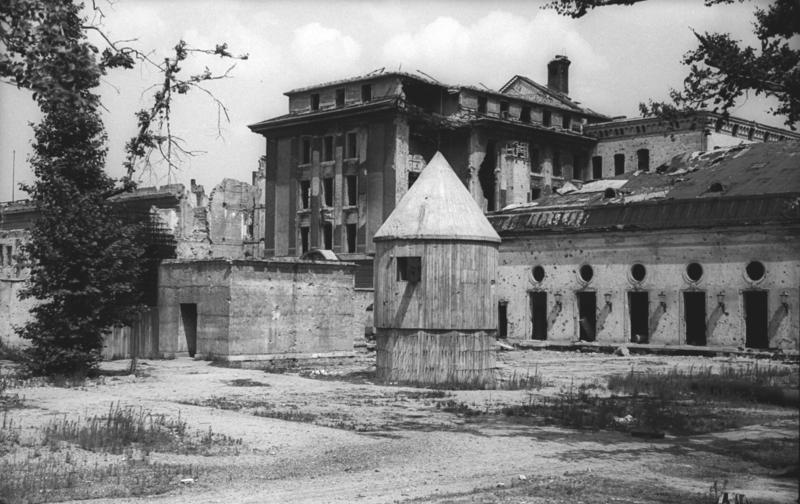
On the evening of May 1, more than 24 hours after the fatal shot had rung out in the bunker, solemn music began playing on Reichssender Hamburg, interrupted by instructions that listeners should stand by for an important announcement from the German government. At 10:25, after three drum rolls and a few seconds of silence, Hitler’s death was announced. His anointed successor, Grand Admiral Karl Dönitz, declared in the last major speech of the Third Reich that the Führer had “fallen,” having suffered “a hero’s death” in his long fight against Bolshevism. After Dönitz’s address, the national anthem and the Nazis’ pean to heroic martyrdom, the Horst Wessel song, were played.
However, as Sharples notes, while this announcement bore all the hallmarks and solemnity of an official announcement, the Nazi regime was no longer at its “full powers in terms of propaganda and communication.” Many leading Nazi newspapers had already ceased publication. The news was not broadcast uniformly, or even at the same time, throughout the country. And, elsewhere in the Reich, Germans learned of Hitler’s death from newspapers newly established by the occupying Allied forces.

Hitler’s death was, Sharples writes, “unique in the history of modern dictatorships.” Unlike Spain’s Francisco Franco or Joseph Stalin, his demise came amid imminent regime change. There was no government to declare a period of national mourning or stage a formal lying in state and funeral. Ordinary Germans were left to “navigate their emotional responses to this news alone.” Had Hitler indeed died in the 1944 July plot, Sharples believes, the Nazis would undoubtedly have [staged] “a very grand, elaborate state funeral” complete with “days of mourning, flaming pylons, the elaborate procession of his coffin, [and] all the usual emotive eulogies and oversized funeral wreaths.” Neither did Hitler fall into the hands of his enemies and suffer the grisly, public death visited on Benito Mussolini, Romania’s Nicolae Ceaușescu or Libya’s Muammar Gaddafi.
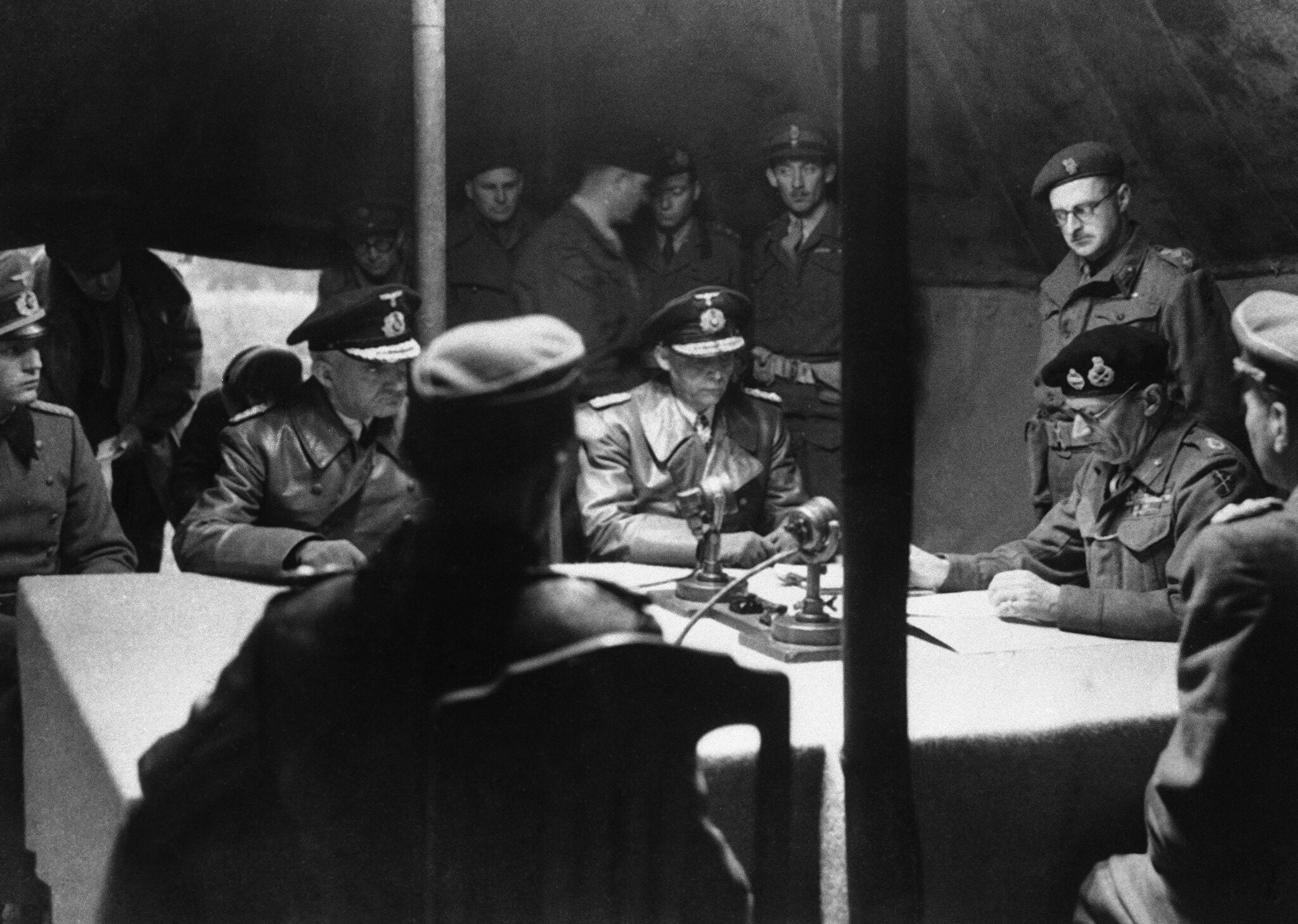
So how did Germans react in these exceptional circumstances? Michael Musmanno, a US judge who presided over the war crimes trial of men accused of taking part in Einsatzgruppen killings of Jews in 1941, interviewed a number of Nazis about Hitler’s death. His resulting book, “Ten Days to Die,” noted that Hitler appeared to be unmourned even by his most devoted former acolytes. “I heard no discussion about Hitler after his death,” Reich Chancellery guard Hans Messerer told the judge. “We had more important things to talk about.”
This view, believes Sharples, helped to shape the ensuing historical narrative. As the historian Earl Beck suggested in 1986: “Hitler’s death brought no tears to the eyes of his followers.”
Sharples admits that there are difficulties in trying to establish Germans’ immediate reaction to Hitler’s death. It was not, for instance, until several months later that the Allies began formal opinion polling or producing regular reports about morale among the population. Nonetheless, by piecing together wartime diaries kept by Germans, postwar memoirs, snippets from Allied briefing memoranda and accounts produced by US and British journalists embedded with the advancing forces, it is possible to show a “wide range of emotional behaviors” as news of Hitler’s death filtered through the country he had dominated since 1933.
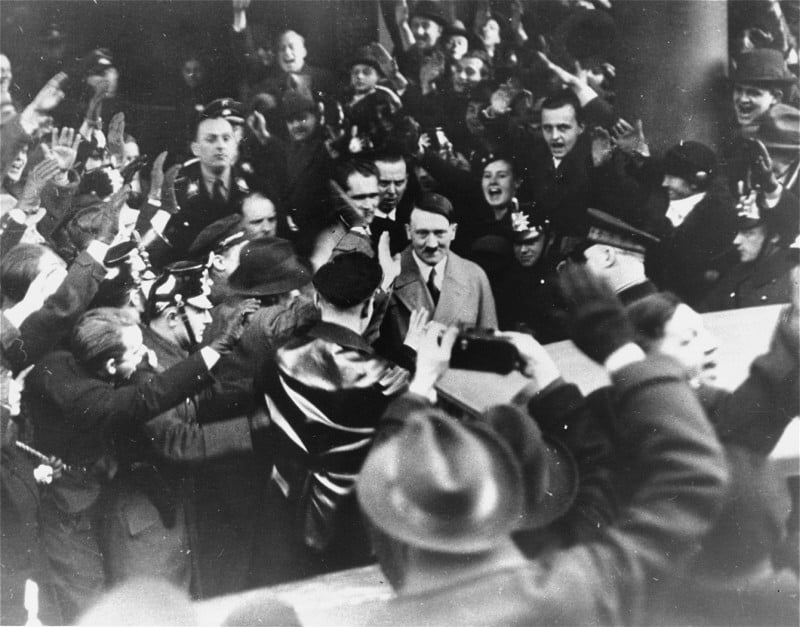
Certainly, in the bunker itself, Hitler did not go unmourned. Accounts note that Goebbels and General Wilhelm Burgdorf had “tears in their eyes.” Martin Bormann, head of the Reich Chancellery, simply wrote the letter “T” (for Tod — death) in his diary for the day. Others later recalled being “dumbfounded,” “emotional, disheartened,” and feeling “complete depression.” But even here the reactions were more complex and varied than might be expected. “My first thought was: ‘So we have been fighting for five and a half years for someone who committed suicide,’” General Helmuth Weidling recalled.
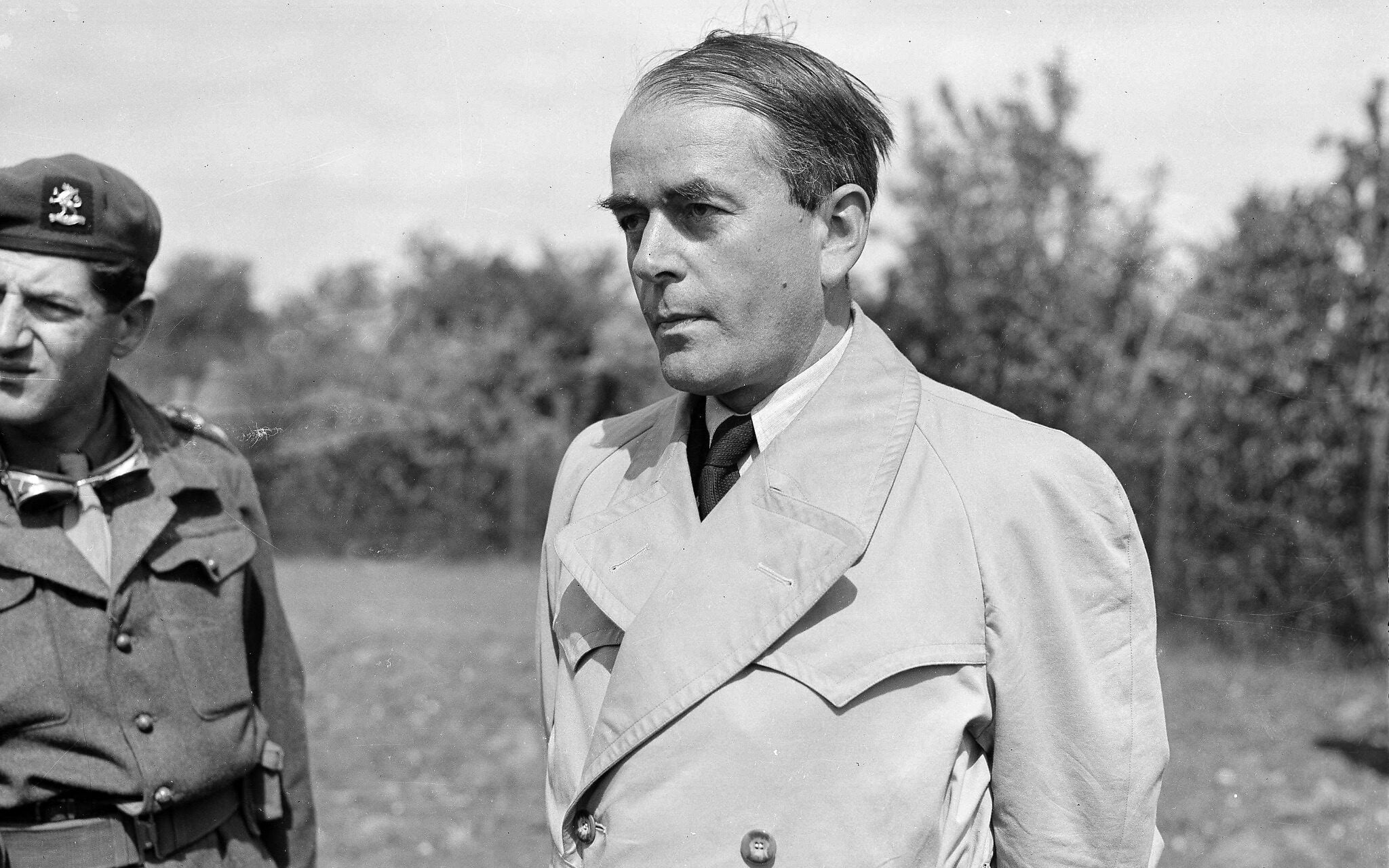
Beyond the bunker, armaments minister Albert Speer recalled succumbing to a “fit of weeping.” Rudolf Hoess, the notorious commandant of Auschwitz now imprisoned in Poland, suggested that he and his wife had been struck by the same thought on hearing of Hitler’s death: “With the Führer gone, our world had gone.”
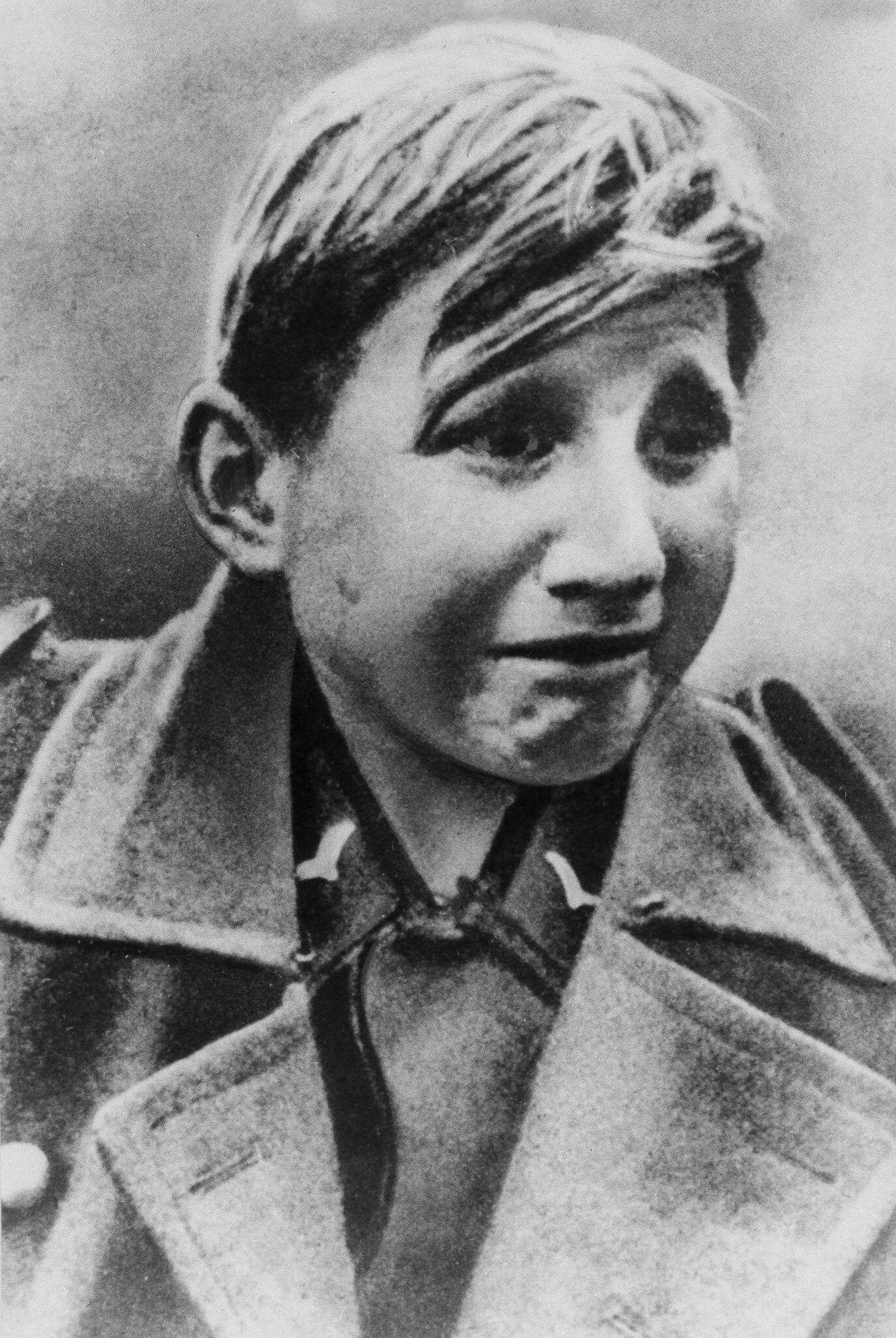
In their later memoirs, former members of the Hitler Youth recounted their feelings. Ursula Martens, who was 16 at the time, remembered thinking: “It can’t end like this… Hitler dying was worse than Father or Mother dying.” But she also admitted to a growing feeling that “never again” would she follow someone so “blindly.” Likewise, Ursula Mahlendorf, a nurse, admitted to experiencing a mixture of grief — “I felt unpleasantly numb” — and anger. Erwin Bartmann, a 21-year-old SS member, “bit hard on my lower lip” as the solemn music finished playing; afterward, a member of the family with whom he was staying “began to sob deeply, as if she had lost the whole world.” German Girls League leader Melita Maschmann later wrote she felt “giddy” and “stunned” by the news. The SS men with whom she was sheltering got drunk, and there was a feeling that Hitler had “left us in the lurch.”
British and American journalists also reported some Germans expressing grief at Hitler’s death. “Amid sobs,” one young hotel worker told a British newspaper that the Führer had “died a hero’s death.” Elsewhere, a young man said he was “sad,” adding that “The German people still really love him.” A 50-year-old agricultural laborer expressed “great sadness” to Joe Illingworth, a British reporter embedded with Allied forces, arguing that Hitler was a “great man for Germany” who had performed “great social work.”
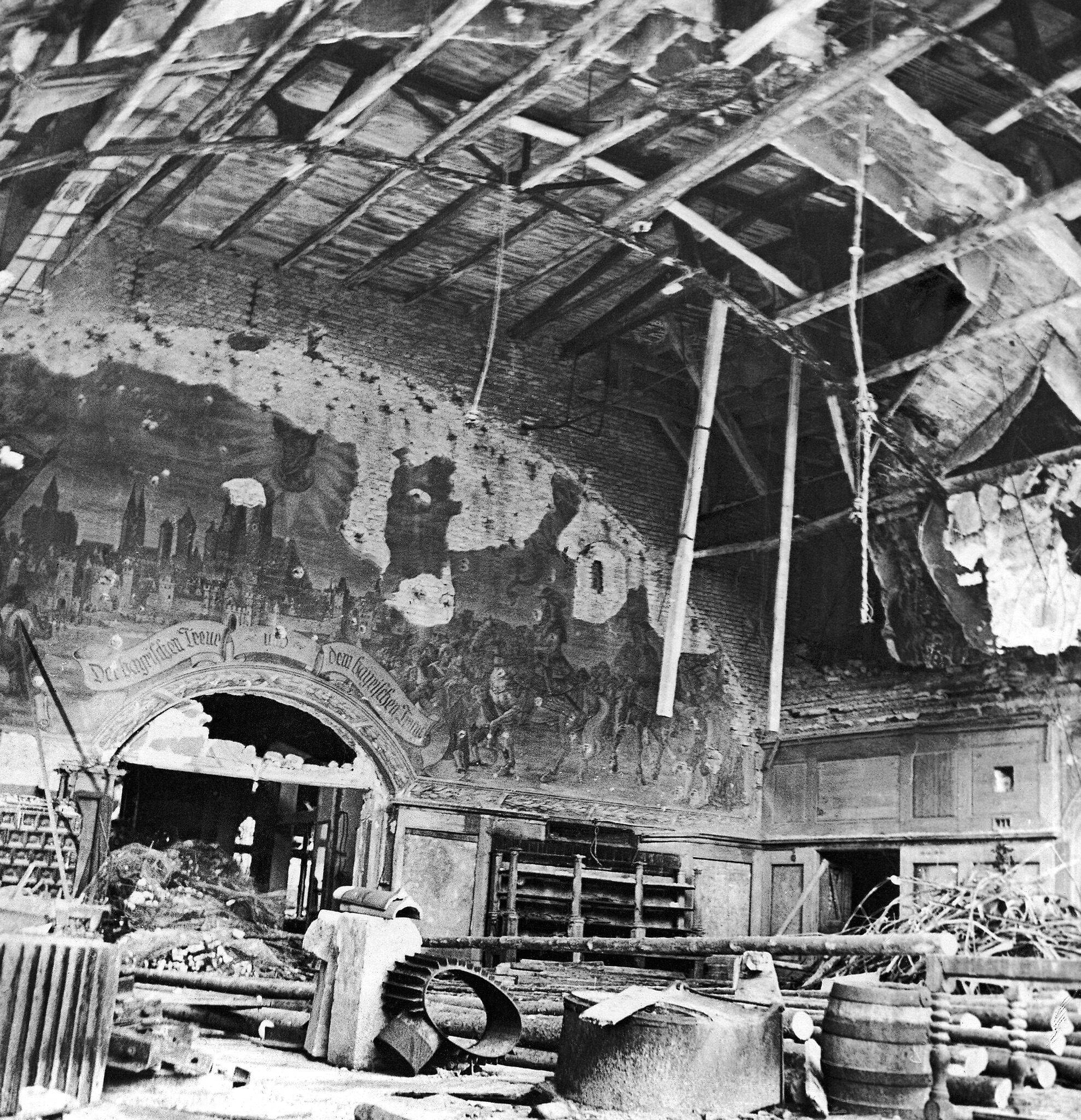
But what Sharples terms this “sense of shock, numbness and disbelief it could end this way” was by no means universal. “Of course I’m glad he’s dead,” an elderly woman was reported as saying. “He brought hell to us and then goes and dies on us.” Another offered an even more trenchant reaction: “Thank God the swine is dead. He should have been dead long ago.” “Hitler kaput. Good,” a soldier told a British reporter. In Munich — the birthplace of Nazism — an American writer observed locals looting wine, beer and cheese from the Bürgerbräukeller, from where Hitler launched his aborted 1923 Beer Hall putsch, noting “they went away triumphantly, their arms loaded down with all they could carry.”
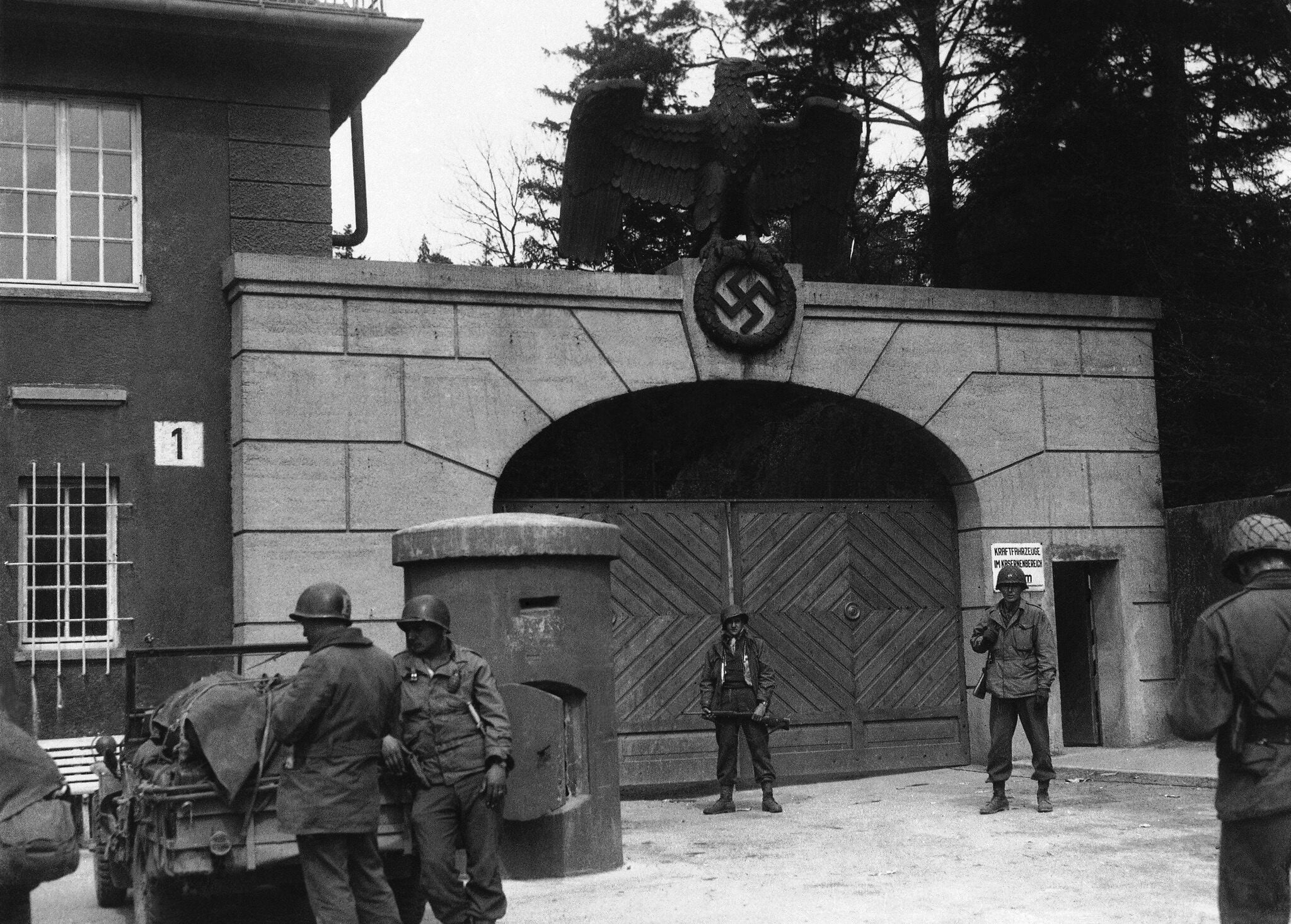
Germans appear to have rarely made a link between Hitler’s death and the Nazis’ victims. Sharples did, however, find one exception. In Hamburg, Illingworth was told by four Germans listening to Dönitz’s broadcast: “Before Buchenwald and Belsen, this news would have made us sad. Now it does not do so any longer.” As Sharples notes, both Buchenwald and Belsen had been liberated shortly before Hitler’s death, indicating that while some Germans might have expressed views critical of Hitler precisely because they were speaking to journalists from Allied countries, these sentiments might well have been genuine. Nonetheless, she notes, the reference to the two camps was the only quote she found where Germans viewed Hitler’s demise through the prism of the Nazis’ crimes.
Instead, more frequently, it was Germany’s destruction and defeat and their own material and personal losses at the forefront of their minds. On the Eastern Front, Gunther Koschorrek wrote in his diary: “Within a couple of hours, he is forgotten: we have our own problems now.”
Those problems were considerable — not least for those whose homes had been bombed in Allied air raids. As one young woman who had suffered that fate put it to Illingworth: “After you have lost everything, you cannot feel deeply sorry for Hitler.” Others expressed more sympathy for the dead Führer — but only to a degree. “He’s at peace now, which is surely the best for him,” Lore Walb confided to her diary. “But what about us? We are adrift and abandoned.” Reporter Curt Riess found Germans so consumed with their own problems that Hitler’s death seemed “inconsequential” to many. “They have taken so many shocks in recent months that they do not react much anymore,” reported a New York Times correspondent, suggesting the news had fallen “flat.”
Any feelings of betrayal and anger Germans felt towards Hitler were only heightened as it began to emerge that, contrary to Dönitz’s assurances, he had not died a hero’s death, but at his own hands.
“The Nazis had been urging everybody always to do their bit, to show willingness, to sacrifice themselves for the cause [and] clamping down on defeatist statements in the final phase of the war,” Sharples says. The nature of Hitler’s death, however, “did not live up to that expectation.”
But how and why did the complexity of Germans’ reactions to Hitler’s death end up compressed into the narrative that none “shed a tear”? Sharples believes political convenience — on the part of both victors and vanquished — played a major part. With the de-Nazification programs and war crimes trials on the horizon, it was “politically expedient to present yourself… as not being too involved in the previous regime [and] not having too much emotional investment in it.” For the nation as a whole, there was also “psychological value” in presenting the alleged lack of mourning as a historical line in the sand, with the Nazi years as “an aberration in an otherwise healthy history.”
For Britain and the US, whose interest in trials and retribution began to wane within a couple of years of Hitler’s death as the Cold War began to take shape, Sharples believes, it too was politically and psychologically convenient to collude in this long-lasting myth.








The Times of Israel Community.