

Former Amnesty UK official says group sidelined Iran abuse issues due to anti-Israel fixation
Ex-Iran coordinator says the rights group’s work was politicized: ‘If it’s against Trump or Israel it’s OK, but they don’t like it when it’s against the Iranian regime’
 Add ToI as a Preferred Source on Google
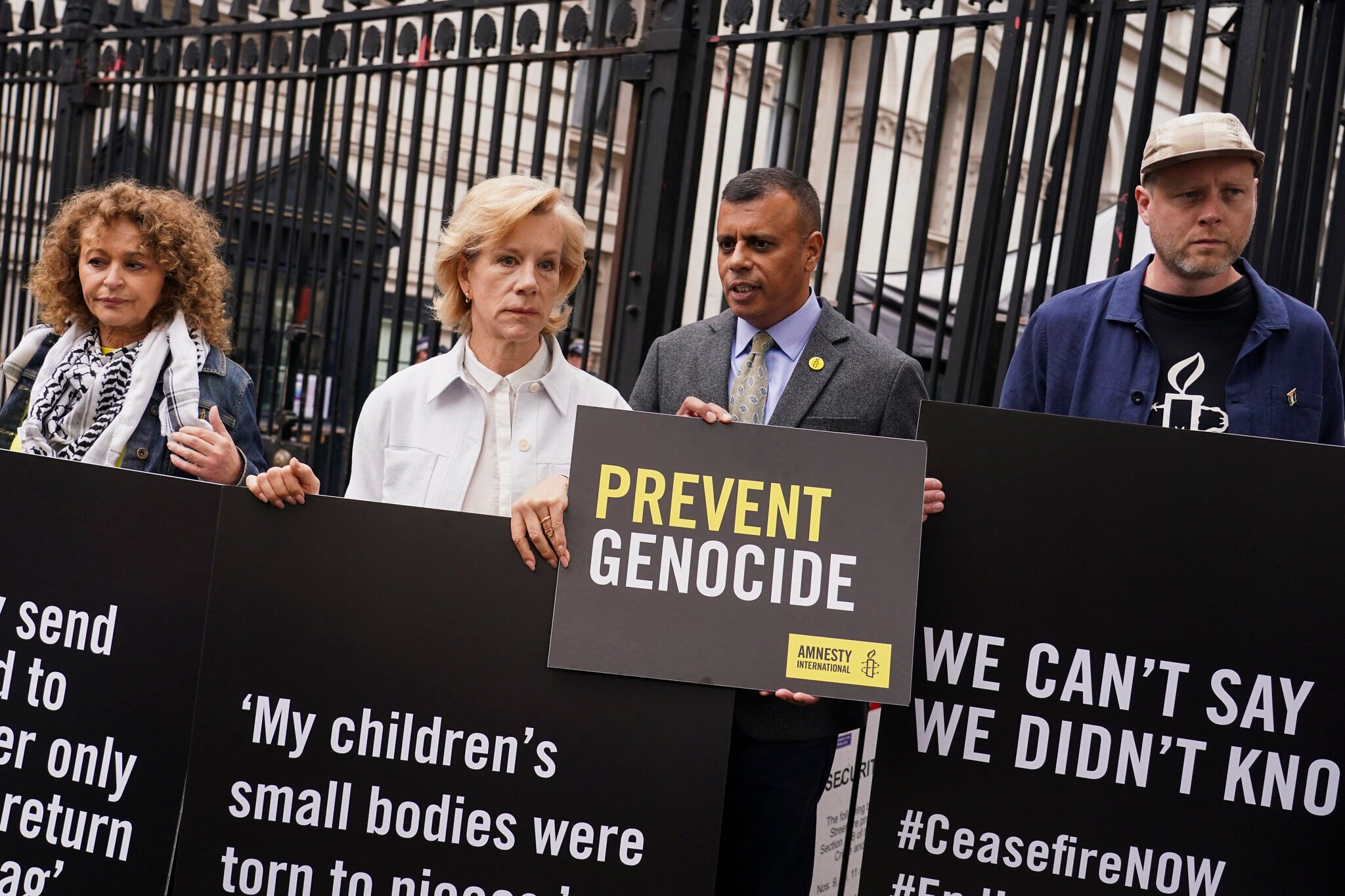
A former Iran country coordinator at Amnesty International UK has accused the rights organization of allowing its focus on the Israel-Palestinian conflict and eagerness to condemn the Jewish state to overshadow abuses in Iran, saying she left after growing concerns over its Iran-related campaigning and the figures it was willing to give a platform to.
Sara Saei Joeghan, an Iranian refugee who arrived in Britain in 2015, told The Times that she joined Amnesty almost immediately because of the organization’s reputation and importance among Iranians, saying she “wanted to help people back at home.” She later became an Iran country coordinator for Amnesty UK.
Joeghan told The Times that her activism against Iran’s use of the death penalty had led to her arrest and interrogation in Iran before she fled the country.
“In Iran, Amnesty International is very respected. It’s something people trust. They think it makes a difference. We don’t have a voice, and we believe that Amnesty is bringing our voice to the world,” she told The Times.
But Joeghan said that by the time she became an Iran country coordinator in 2024, Palestinian issues had begun crowding out other areas of the organization’s work, citing the time she was criticized in an Amnesty WhatsApp group for sharing Persian-language media reports about abuses by Tehran.
She also pointed to a March 2025 event intended to address persecution of religious minorities in Iran, which she told The Times was instead refocused heavily on the Israel-Palestinian conflict.
Another blow to @amnesty’s credibility: Iranian exile Sara Saei Joeghan tells @thetimes of its support for pro-Tehran figures, fixation on Palestine, growing politicisation & her sense of betrayal after joining the NGO following her own experience of repression.…
— Danielle Haas (@DanielleHaas01) November 27, 2026
“While both countries are in the same region, their issues are vastly different. It should be possible at Amnesty to talk about repression and other issues facing the Iranian people — there are many events and opportunities focused on Gaza,” she told the paper.
“By combining Iranian and Palestinian issues, the focus on the serious human rights abuses occurring in Iran is diluted. As an Iranian, I strongly felt that our issues should be treated with the attention and respect they deserve.”
Joeghan told the British paper about the “No to Gaza” movement in Iran, a movement of the Iranian people which opposes Tehran’s support for terror groups including Hamas and Hezbollah, and argued that turning Iran-focused programming toward the Palestinians distracted from abuses committed by the Islamic Republic.
Joeghan was especially shocked by Amnesty canceling a screening she had planned of “In the Eye of Freedom,” a documentary about protesters who had lost their eyes from violence during the regime’s suppression of the 2022 uprising. She said she was told the screening was too political because its director was pro-monarchist.

Joeghan told The Times she was taken aback “given the political nature of the other events they were condoning. If it’s against Trump or Israel it’s OK, but they don’t like it when it’s against the Iranian regime.”
Amnesty responded to the paper, claiming that the screening was canceled over concerns about the film’s “political neutrality,” while insisting its commitment to exposing abuses in Iran remained “unequivocal.”
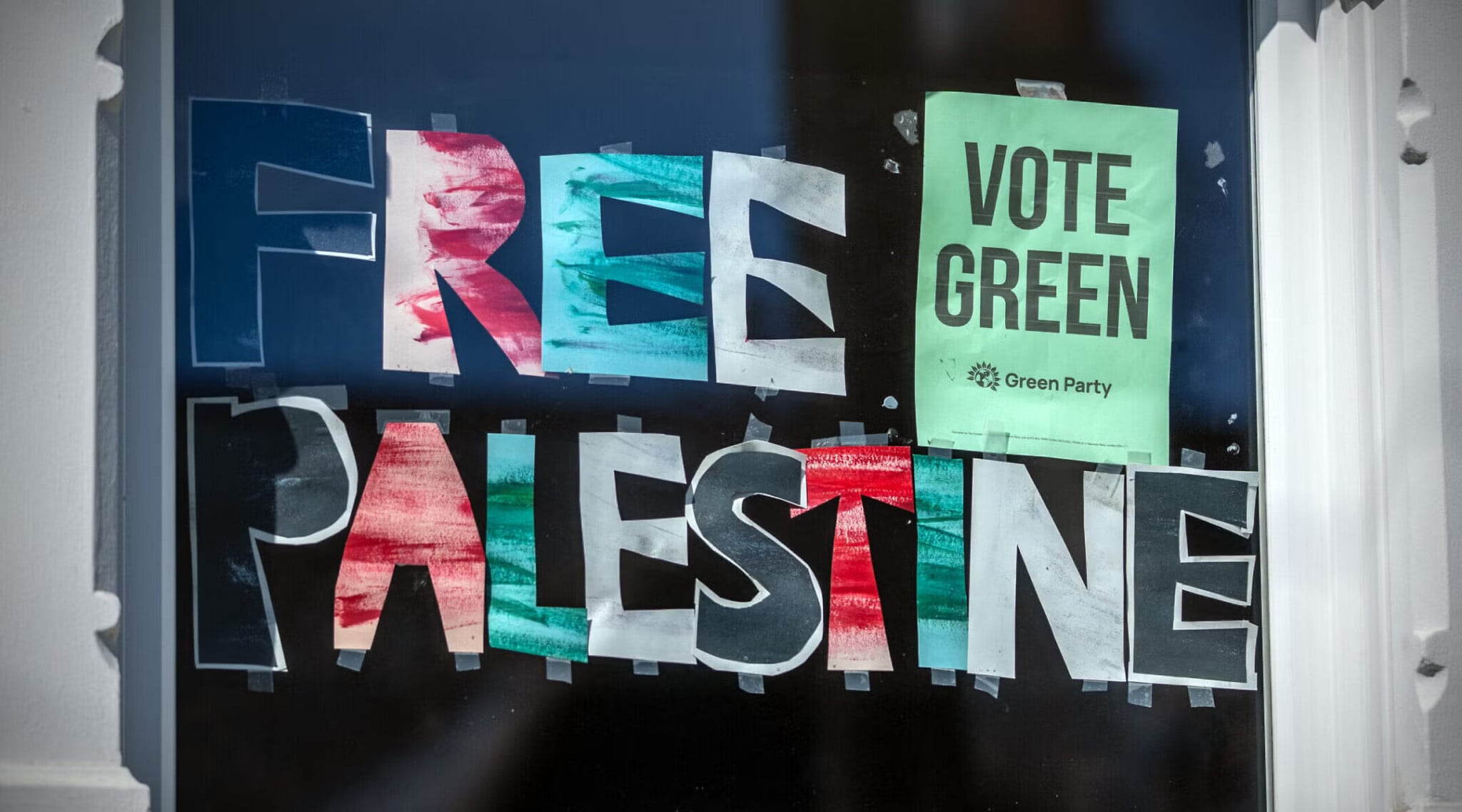
Joeghan also raised concerns about fellow Iran country coordinator Niloufar “Nilly” Brook, whose social media activity she believed echoed pro-regime narratives. According to The Times, Brook later shared material praising slain supreme leader Ali Khamenei after his death and backed the Green Party’s resolution declaring “Zionism is racism.”
The Green Party of England and Wales adopted that resolution in October, calling for Zionism to be treated as a form of racism. The European Green Party subsequently distanced itself from the policy.
After Joeghan’s resignation from Amnesty in March 2025, she filed a formal complaint in March 2026 over what she described as failures of impartiality, and said she decided to go public after months without a resolution.
Joeghan told the British paper that Amnesty should stop allowing its focus on Palestinians to eclipse other human rights crises.
“Human rights advocacy cannot be selective or driven solely by political agendas,” she said. “I would have stayed if they had applied the principles they purport to uphold, of fairness and impartiality.”
Amnesty rejected her broader characterization, telling The Times that its work was “independent, impartial and grounded in international human rights law.” It said it had published dozens of reports, briefings and public statements on Iran over the previous year and that country coordinators were volunteers whose personal views did not necessarily represent Amnesty’s positions.
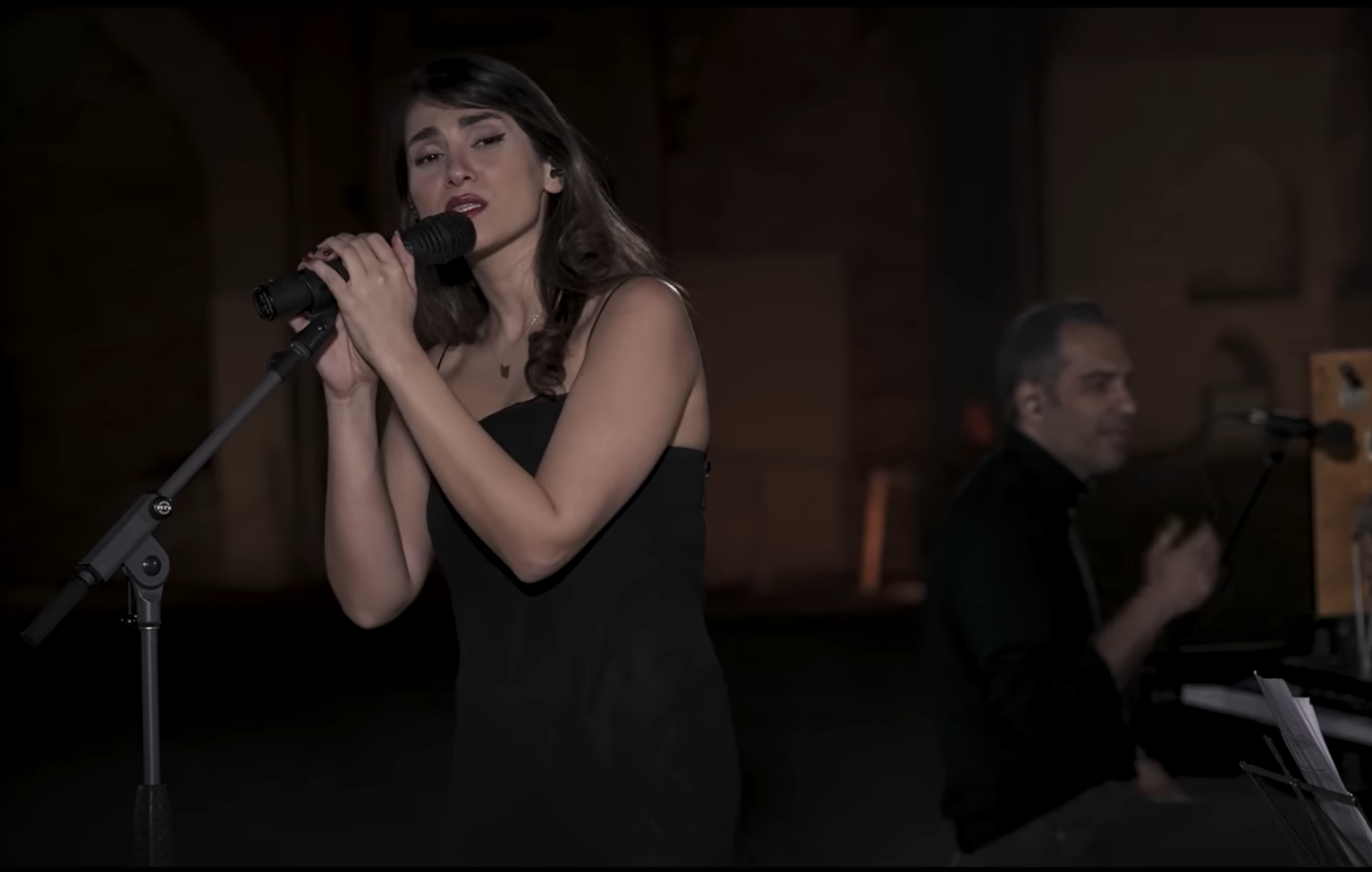
The report came as Iranian authorities continued to repress freedom in the form of harsh punishments. On November 23, prominent singer Parastoo Ahmadi and four members of her team were each lashed 74 times over a 2024 online concert in which she performed without a headscarf and wore a strappy black dress. Amnesty International had urged Tehran the previous month to halt the flogging, calling the punishment a form of torture and part of an ongoing assault on women’s rights; however, the lashing still took place.


The Times of Israel Community.