

Roman-era tombs discovered near Jericho may have belonged to Jerusalem elite
Find may be part of a larger cemetery with remains of families described by the first-century Jewish historian Flavius Josephus
 Add ToI as a Preferred Source on Google
Zev Stub is the Times of Israel's reporter on diaspora affairs and Israeli real estate.
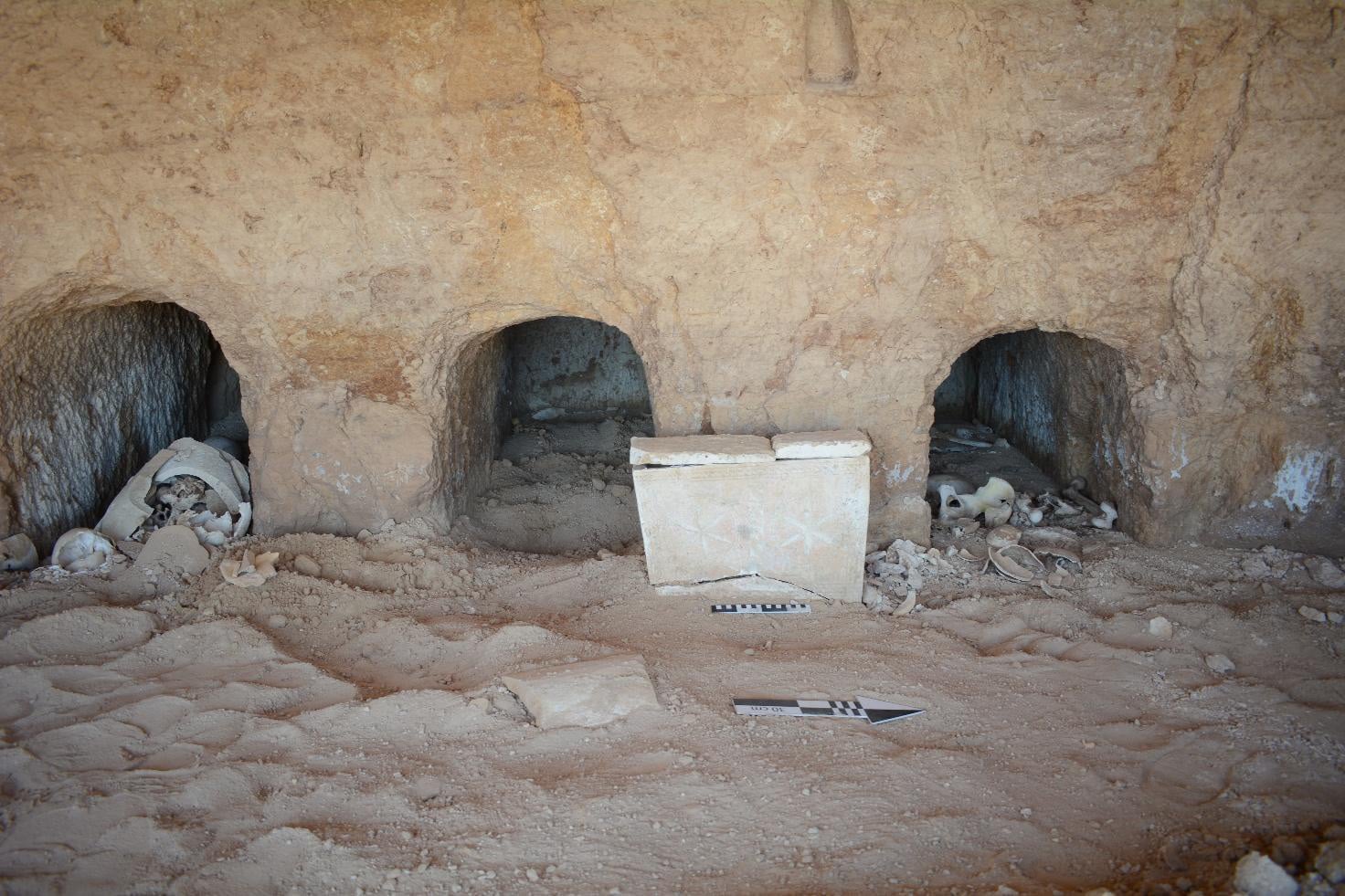
Three large tombs dating back approximately 2,000 years have been discovered near Jericho, at what archaeologists believe may have been the burial place of wealthy families from Jerusalem during the late Second Temple period.
The discovery was made by the Palestinian Ministry of Tourism and Antiquities in collaboration with an archaeological mission from Rome’s Sapienza University, which has been conducting excavations in the area since 1997.
The finds may offer an opportunity to learn more about the prominent families described by the first-century Jewish historian Flavius Josephus, the university said last week in a press release. The scale of the tombs, the number of individuals buried there and the artifacts recovered suggest that they belonged to members of Jerusalem’s aristocracy.
The tombs, dating from between the first century BCE and the first century CE, were uncovered at Khirbet Thaniyah, several hundred meters northwest of Tell es-Sultan, ancient Jericho, on a limestone cliff at the foot of the Mount of Temptation. The site was designated a UNESCO World Heritage site in 2023.
During the Second Temple period, Jericho was the second most important city in Judaea after Jerusalem, the university said. The Hasmonean rulers and, later, Herod the Great built winter palaces there, while wealthy Jerusalem families owned extensive estates of date palms and balsam in the surrounding area. Some chose Jericho as their burial place.
The tombs consisted of central chambers surrounded by radially arranged burial niches. Some featured elaborate monumental façades, fragments of which have been recovered during the excavations.
The deceased were initially buried in wooden coffins, but the practice later shifted to using finely decorated limestone coffins, the university said.
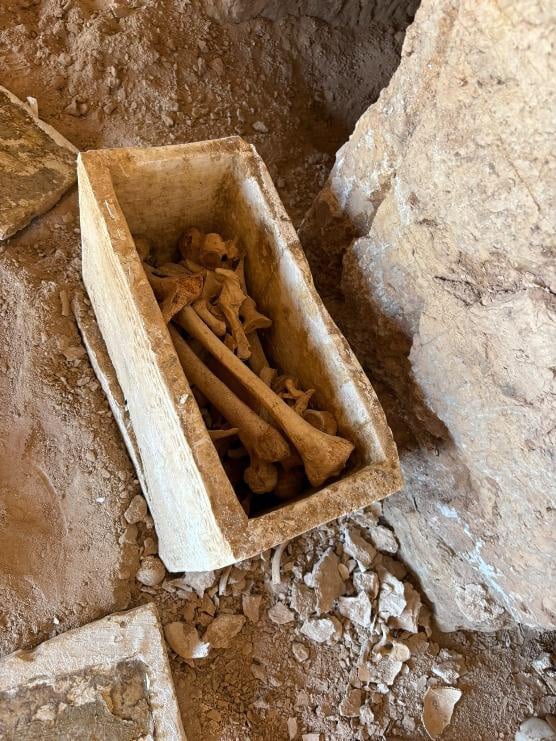
The finds included wooden coffins, burial objects and fragments of textiles, as well as human remains that researchers hope will shed light on the lives and burial practices of the prominent families of the Herodian and Augustan periods.
The tombs could be part of a much larger cemetery whose full extent has yet to be established, Jericho’s Director of Antiquities Issa Zaghl told the Anadolu Agency. The excavations and research are ongoing, the university said.
Jericho is believed to be one of the world’s oldest cities, with evidence of human settlement stretching back to prehistoric times.
“These tombs bring us face to face with the families described by Flavius Josephus: their burials, the wood of their coffins and the textiles,” said Lorenzo Nigro, director of Sapienza University’s archaeological mission. “The study of the finds and human remains may tell us a great deal about them.”
The Palestinian Ministry of Tourism and Antiquities is responsible for archaeological preservation and tourism development in areas A and B of the West Bank, under the arrangements established by the Oslo Accords. It has drawn criticism in the past for claiming sites like Sebastia as Palestinian heritage sites while ignoring their Jewish history.









The Times of Israel Community.