

Ex-IDF intel chief: Biden’s priority right now is presidential election, not Israel
Tamir Hayman, head of INSS, suggests not underestimating ‘old fox’ in White House, says Iran prisoner swap is significant campaign boost, Israelis should look beyond own interests
 Add ToI as a Preferred Source on Google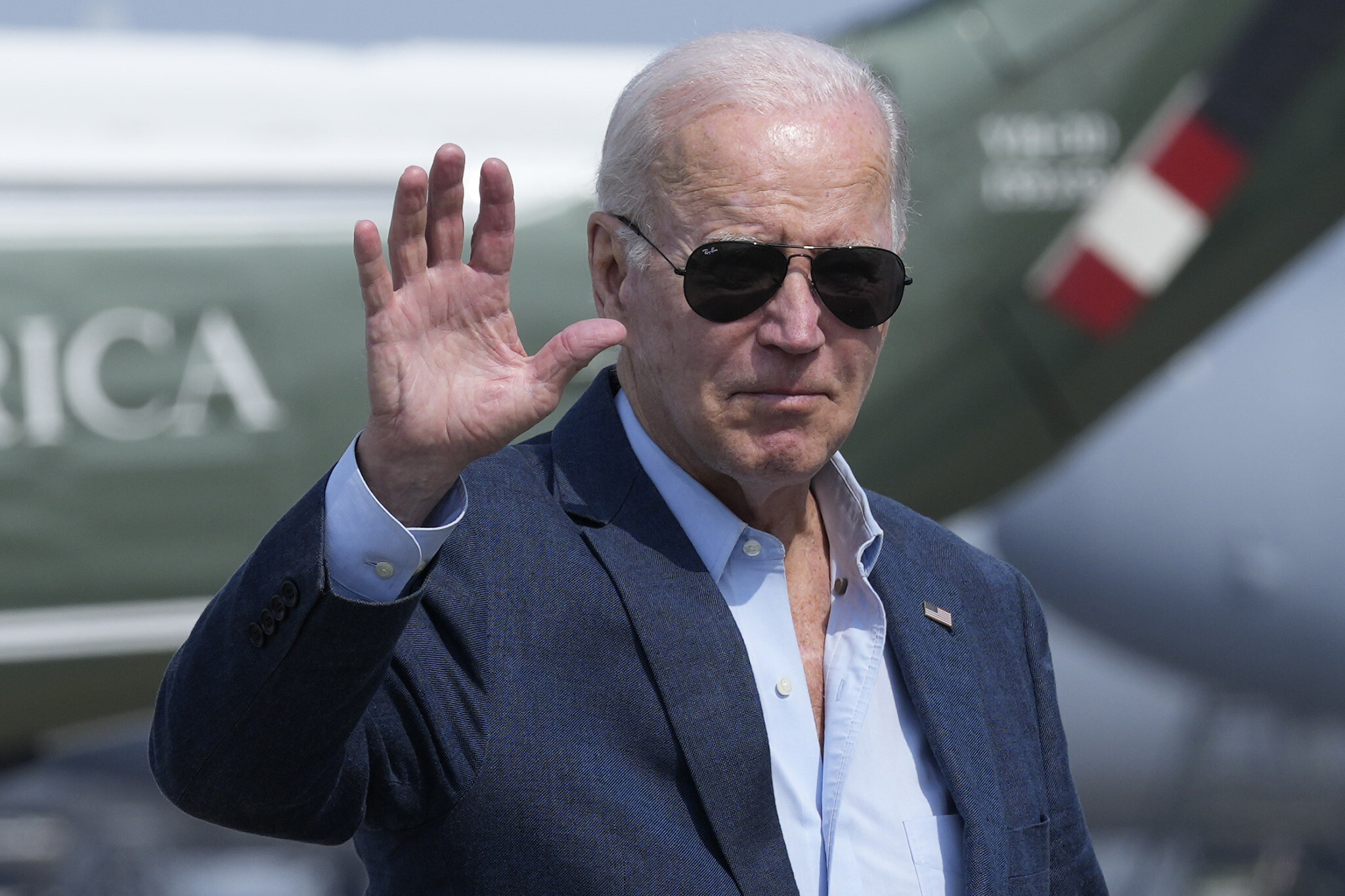
Former military intelligence chief Maj. Gen. (res.) Tamir Hayman on Saturday advised against casually criticizing US President Joe Biden’s prisoner swap with Iran, saying Israelis need to understand that the “old fox” in the White House is prioritizing his reelection campaign.
Hayman, currently the director of the Institute for National Security Studies (INSS) at Tel Aviv University, said the tentative deal, which would unfreeze billions of dollars in funds for Iran in exchange for the release of five detained US nationals, is a major election boost for Biden.
His remarks came after Prime Minister Benjamin Netanyahu panned the agreement, saying it would only provide “funds that will go to terrorist elements sponsored by Iran.”
The deal announced Thursday, alongside Iran’s transfer of the American detainees from prison to house arrest, came together after months of indirect negotiations between US and Iranian officials. It also includes commitments from Iran to refrain from enriching uranium beyond 60 percent, a level just a short technical step from weapons-grade fissile material.
“I suggest not to underestimate the ‘old fox’ in the White House,” Hayman wrote on X, the social media platform formerly known as Twitter.
Biden, he said, has reduced the chances of a security escalation with Iran and is simultaneously promoting “a historic peace agreement that will give him a significant achievement in the presidential campaign against [Donald] Trump,” the former US president and leading Republican candidate.

Hayman conceded that the announced deal “is the worst agreement that the US could achieve,” but noted “the tragedy is that this bad agreement is also better than continuing the current situation.”
“The current agreement leaves Iran as a nuclear threshold country and gives it billions of dollars, and this only in exchange for not enriching to 90%,” he said.
But, “compared to it, the nuclear deal from 2015 (the one that the Netanyahu government fought against) is a rosy dream,” Hayman wrote, referring to the so-called Joint Comprehensive Plan of Action signed between Iran and world powers. That pact granted Iran sanctions relief in exchange for curbs on its nuclear program.
A Thursday report in The New York Times cited a pair of Israeli officials who claimed that the prisoner exchange is part of a larger set of understandings between Tehran and Washington, who have been working toward an informal arrangement that would limit the Iranian nuclear program.
However, US officials have repeatedly denied that the talks were tied to Iran’s nuclear program.
Hayman also commented on potential US-sponsored normalization of ties between Israel and Saudi Arabia, noting that any progress in that direction comes against the background of internal US politics.
The Wall Street Journal reported last week that US and Saudi officials have agreed on the broad terms of a potential Israel-Saudi deal. An Israeli official later said there had been no tangible progress on the matter. Any such deal is expected to include significant concessions to the Palestinians, a condition long laid down by the Saudis and something Netanyahu last week indicated he would be willing to consider.
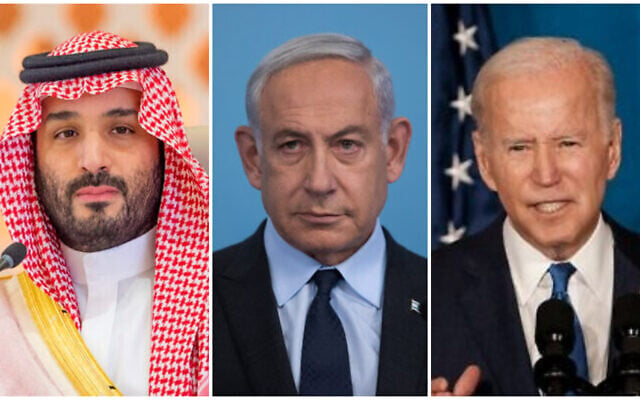
“Biden demanded a significant Palestinian component as part of the Israeli-Saudi normalization agreement,” Hayman wrote. “This will appease the [progressive] Democrats in the Senate and disrupt the coalition in Israel in a way that may (in his view) save Israel from itself.”
“It may seem incoherent, but perhaps it is a US strategy designed to improve the entry into an election year,” he added. “And we, who are sure that everything is related to us, and revolves around us — see only the tip of the iceberg of the American interest.”
Details of the money transfer that is part of the prisoner swap, the timing of its completion and the ultimate release of both the American and Iranian prisoners remain unclear. However, US and Iranian officials say they believe the agreement could be complete by mid- to late-September.
While Biden’s campaign platform included a promise to return the US to the 2015 Iran nuclear deal that Trump exited, repeated efforts at talks ultimately failed.








The Times of Israel Community.