

Exposing deep cracks in Labor, party’s former chief runs for head of trade union
Quashing rumors of a potential challenge to Isaac Herzog, Shelly Yachimovich instead to compete for the Histadrut leadership
 Add ToI as a Preferred Source on Google
Raoul Wootliff is a former Times of Israel political correspondent and Daily Briefing podcast producer.
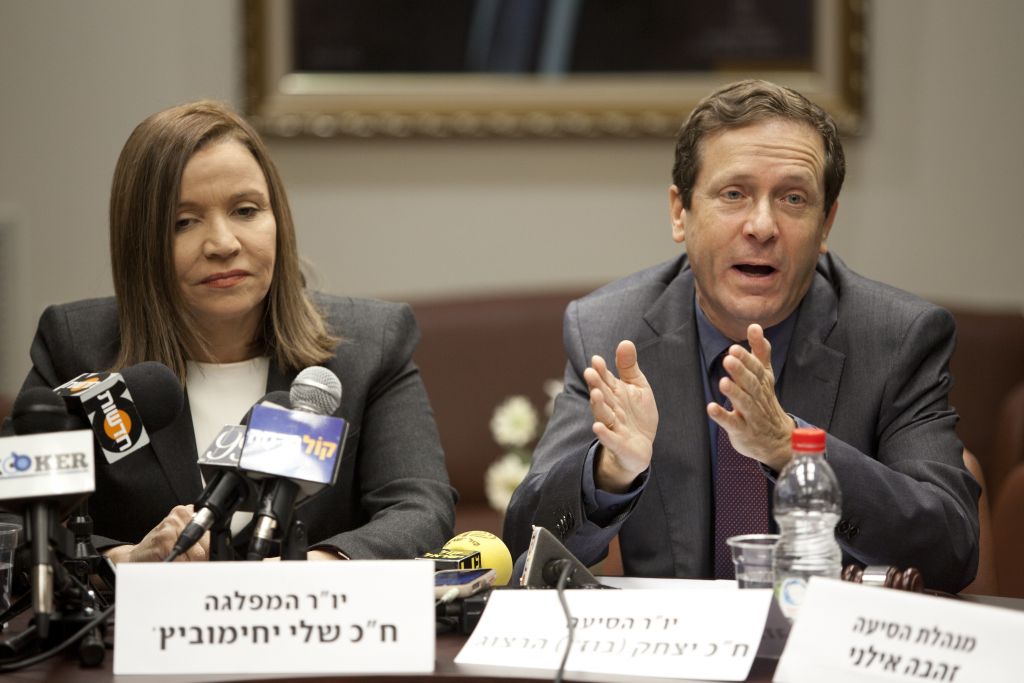
Burying speculation that she’s gearing up to mount a challenge to Labor chair Isaac Herzog, former party chairwoman MK Shelly Yachimovich announced Sunday that she will seek to become the head of the Histadrut labor federation in the organization’s elections in May.
Yachimovich, who headed Labor from 2011 to 2013, said she had been “deliberating the move for many months,” and that despite having to resign from the Knesset if victorious, she was confident she would be able to play a key role in national decision-making as Histadrut chairwoman.
“I’m asking you, women and men, from all parts of the political spectrum to give me the right to lead this organization and bring about a revolution in it,” she said in a statement posted to her Facebook page.
Speaking of her social democratic worldview and her long-held belief in workers’ rights, Yachimovich said she planned to make the national union a “truly social, powerful, courageous and incorruptible spearhead for the sake of improving the world of employment, for the sake of the simple and basic right to earn a respectable living.”
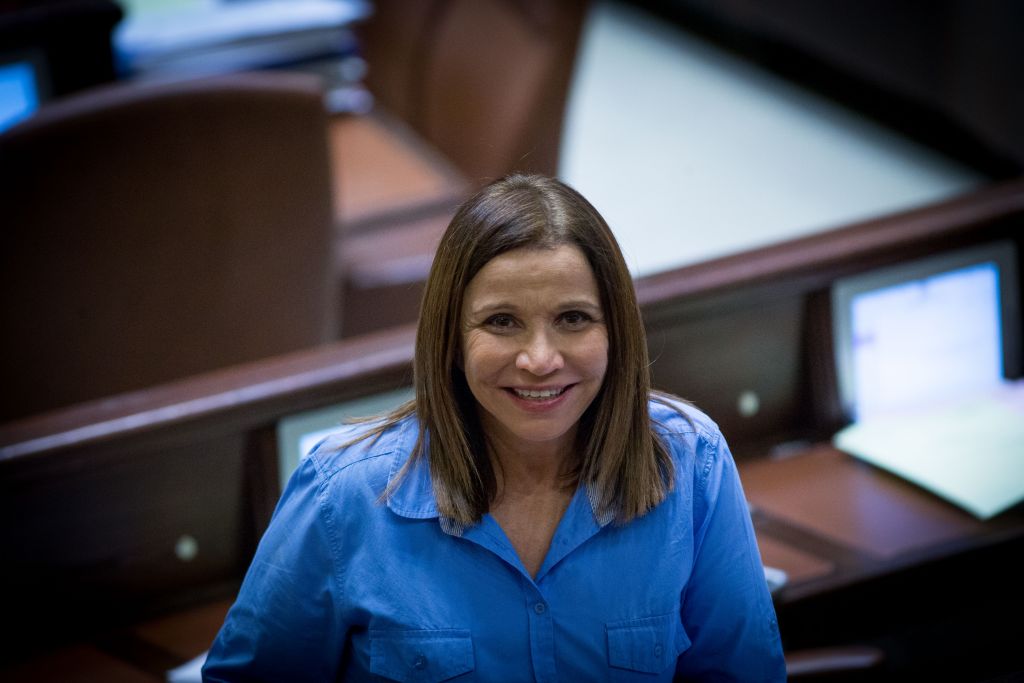
Founded in 1920, the Histadrut union quickly grew to be one of the most powerful institutions both in Mandate-era Palestine and, later, in Israel. Although the influence of organized labor has waned in recent years, the Histadrut’s large membership ensures its ability to call paralyzing strikes, and the head of organization, who serves a five-year term, is considered is one of the most powerful political players in Israel.
The move means that Yachimovich, who was unexpectedly beaten by Herzog in the 2013 Labor leadership race, will turn down the calls of many of her supporters to run for the party’s helm in July’s primary.
Bitter rivalry
Once a powerhouse in Israeli politics and the flagship of the Israeli center-left, Labor has faced a profound crisis in recent years. The party once reliably won more than 30 Knesset seats, and as many as 44 in the 1992 election that brought Yitzhak Rabin to power on a peace platform, but dropped to just 13 seats in 2009 under the leadership of former prime minister Ehud Barak.
In 2013, campaigning on her social-democratic credo and focusing on housing and the economy while barely talking about peace and security, Yachimovich led the party to a disappointing 15 seats in the general election. Keeping pace with the party’s tradition of replacing its leaders with dizzying speed — since 1992 Labor has had a new chairman at an average of once every two years — members voted in Herzog in an at-times hostile primary later that year.
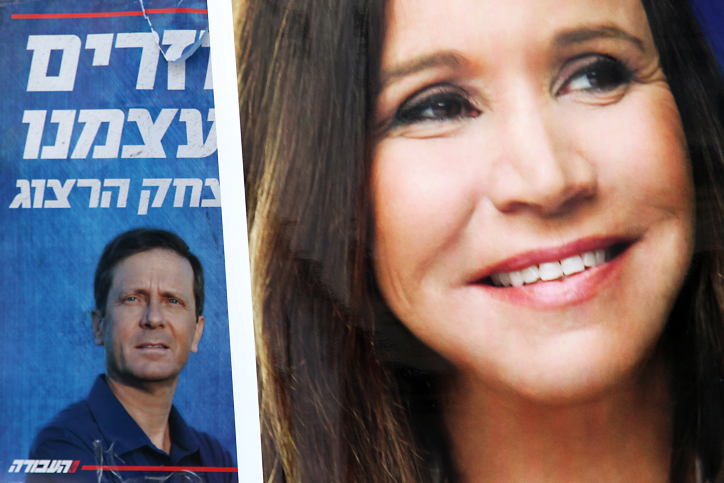
Herzog fared better than Yachimovich in his first national contest, garnering 24 seats in the 2015 elections as the Zionist Union — a center-left merger of Labor and Tzipi Livni’s Hatnua party — but was still roundly beaten by Prime Minister Benjamin Netanyahu’s center-right Likud, which won 30.
Since then, dogged by Herzog’s refusal to rule out joining Netanyahu’s coalition and an ongoing perception of him as a weak leader, Labor and the Zionist Union have lost traction and support, to the point that recent polls have forecast as few as 10 Knesset seats for the party. As a party backbencher, Yachimovich emerged as one of Herzog’s fiercest critics, solidifying the bitter rivalry between the two.
Responding to Yachimovich’s announcement that she would run for the leadership of the Histadrut, Herzog released a statement Sunday throwing his support to incumbent chairman Avi Nissenkorn, the only other candidate in the race.
“Under the leadership of Avi Nissenkorn, the Histadrut proved it is working to fulfill the Labor Party’s vision of reducing social and socioeconomic gaps in Israeli society and advancing equality and social justice,” Herzog said, adding that he would use the party’s institutions, including the budget and influence of the Labor faction within the Histadrut, to ensure a Nissenkorn win.
Labor’s ‘House of Cards’
Throughout her career in politics, and before that as a media personality, Yachimovich gained a reputation as being antagonistic to big business. Launching Labor’s election campaign in 2012, she called for Israel to take a more socialist approach to government. “Our goal is to establish an alternative, responsible, social democratic government,” she said.
As head of the Histadrut, in addition to rehabilitating herself as a national political leader, Yachimovich could become a thorn in the centrist Herzog’s left flank, pushing him to accept positions he may not like.
In her own statement, Yachimovich said that there had been “forceful attempts that could have been taken from [the US television show] ‘House of Cards'” to prevent her from running, in an attempt “to avoid democratic elections.”
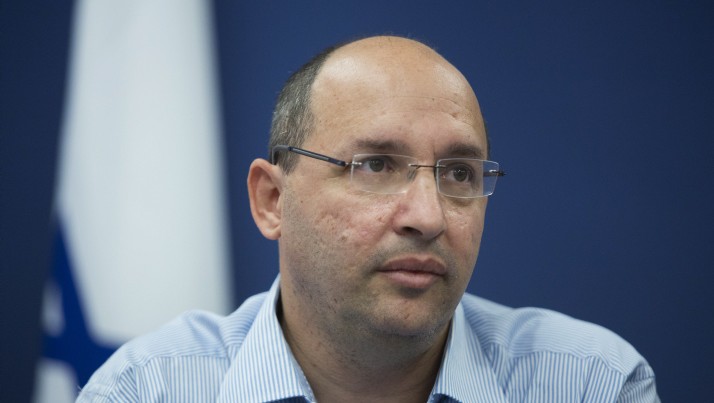
With candidates required to run as representatives of factions within the Histadrut, Nissenkorn had attempted to prevent Yachimovich from joining the race by signing agreements of support with each union caucus.
But in a last-minute move, Labor Party veteran MK Eitan Cabel withdrew his support for Nissenkorn and allowed Yachimovich to run as head of his own Social Home faction. At a Histadrut meeting later that day Cabel told Nissekorn that he could not run the union “like North Korea” and prevent elections from taking place.
But Cabel’s decision points to yet deeper unrest within the party and possible trouble for Herzog.
In the November 2013 leadership primary, Cabel was one of three MKs to side with the underdog Herzog in defiance of the polls and pundits, which favored Yachimovich. When Herzog won the race, the media labeled the four-member alliance of Herzog, Cabel, Merav Michaeli and Erel Margalit the “victorious quartet.”
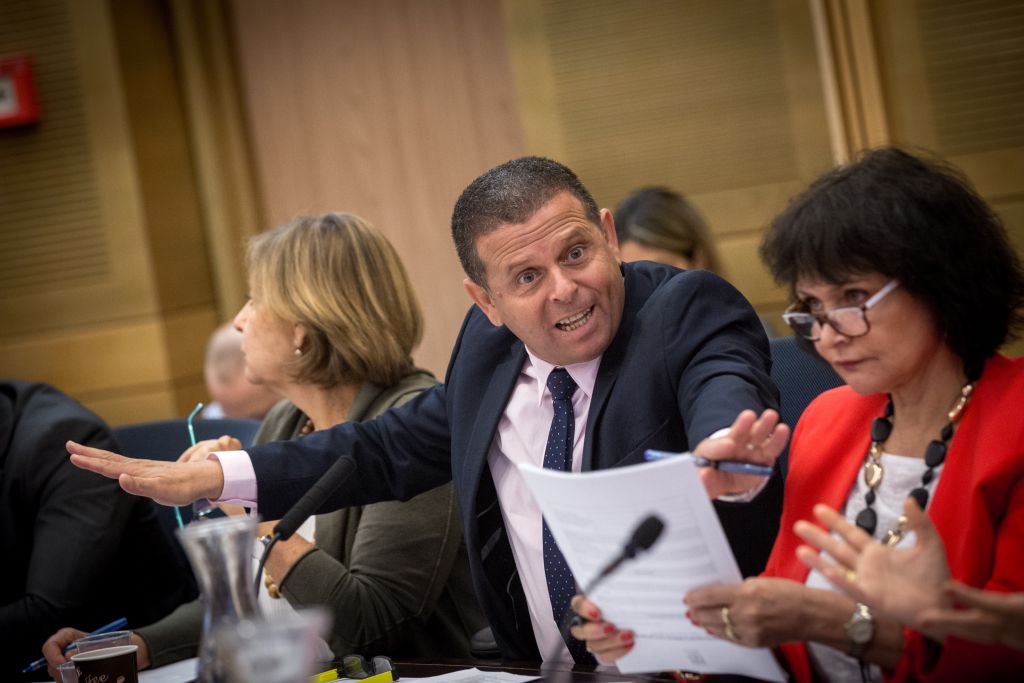
Now, with Cabel conspicuously breaking from Herzog and Erel Margalit signaling his own intention to challenge him in June, only faction chairwoman Michaeli remains as a loyal ally.
Furthermore, while a leadership challenge from Yachimovich may have been neutralized, her pulling out of the race gives an ostensible boost to former Labor leader and defense minister Amir Peretz, who announced in December that he will be running for party chairman.
Peretz, himself a former head of the Histadrut, was Yachimovich’s political patron when she joined Labor in 2005, but the two had a falling out when she beat him in the race for the party leadership in September 2011.
In the ever-turning circle of Labor’s former, current and future leaders, Peretz may now take Yachimovich’s place as Herzog’s biggest rival.








The Times of Israel Community.