

Former National Security Council deputy chief grilled in submarine affair
Atalia Rosenbaum suspected of leaking information from meetings to future state’s witness, who promised her an apartment
 Add ToI as a Preferred Source on Google
A former deputy head of the Israel National Security Council was recently questioned under caution by police in connection with an ever-expanding corruption probe that has already implicated suspects including top-ranking naval officers and security officials.
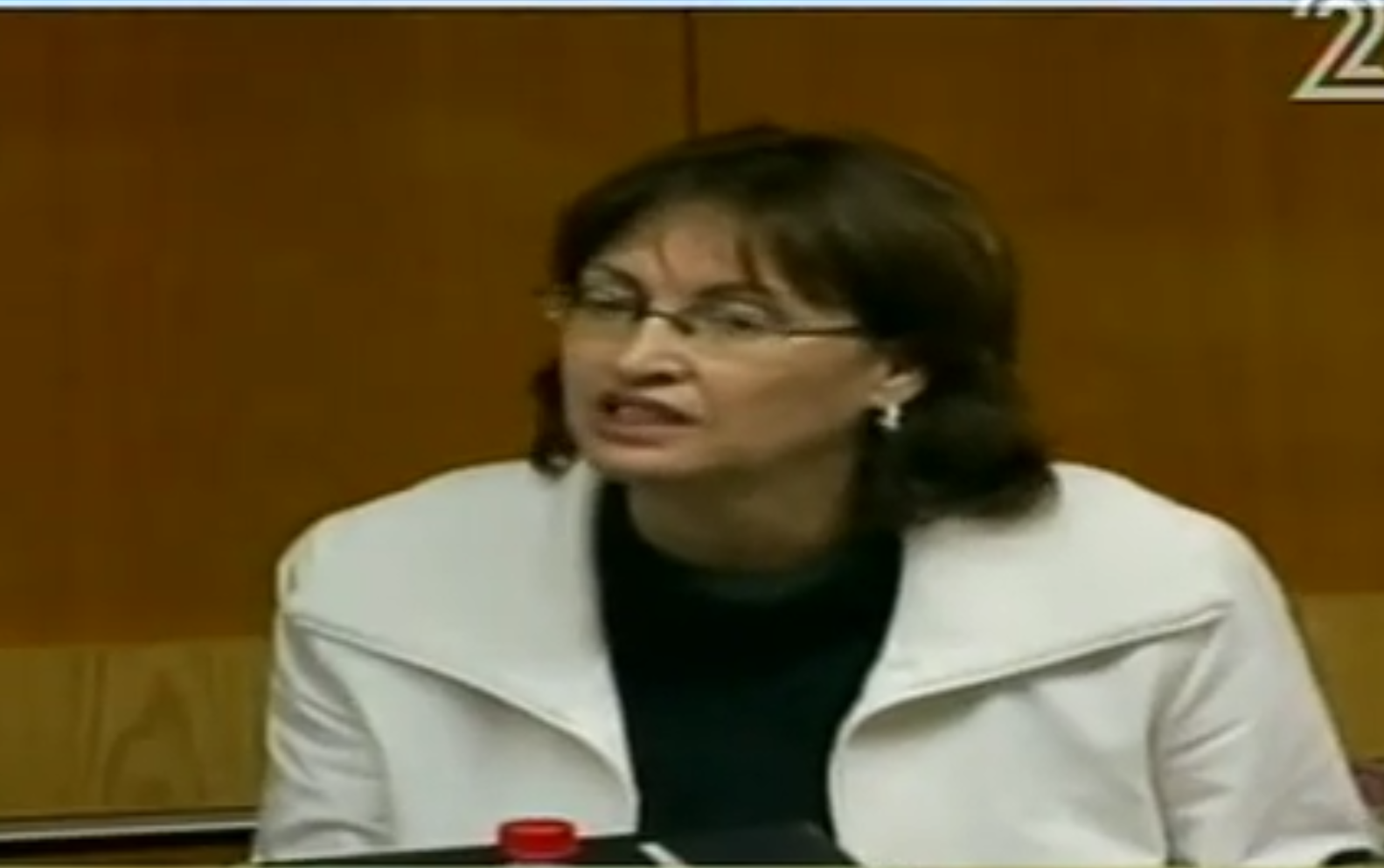
Atalia Rosenbaum, who served as the number two on the council from 2009 to 2010, was questioned 10 days ago on suspicion of mediation for bribery, Channel 2 news reported on Sunday. After her interrogation she was released under restricted terms.
According to the report, the investigation is likely to see serving senior IDF officers questioned in the affair as well.
The revelation about Rosenbaum came as six other suspects were arrested on Sunday in connection with the affair, which police have dubbed Case 3000. Among those who were detained earlier was David Sharan, who served as Netanyahu’s bureau chief from late 2014 to 2016, and who is suspected of taking bribes, fraud, breach of trust and conspiring to commit a crime. The others included senior reserve IDF officers and strategic adviser Nati Mor, who has worked with several senior government officials.
Israel Radio reported that National Infrastructure Minister Yuval Steinitz, who has not been named as a suspect in the case, is likely to be asked to give testimony due to his close acquaintance with Sharan, who was Steinitz’s chief of staff when Steinitz was finance minister
Rosenbaum is suspected of leaking information from NSC meetings to Miki Ganor, the local representative of German shipbuilder ThyssenKryupp. After being identified as a key suspect in the case, Ganor in July turned state’s witness.
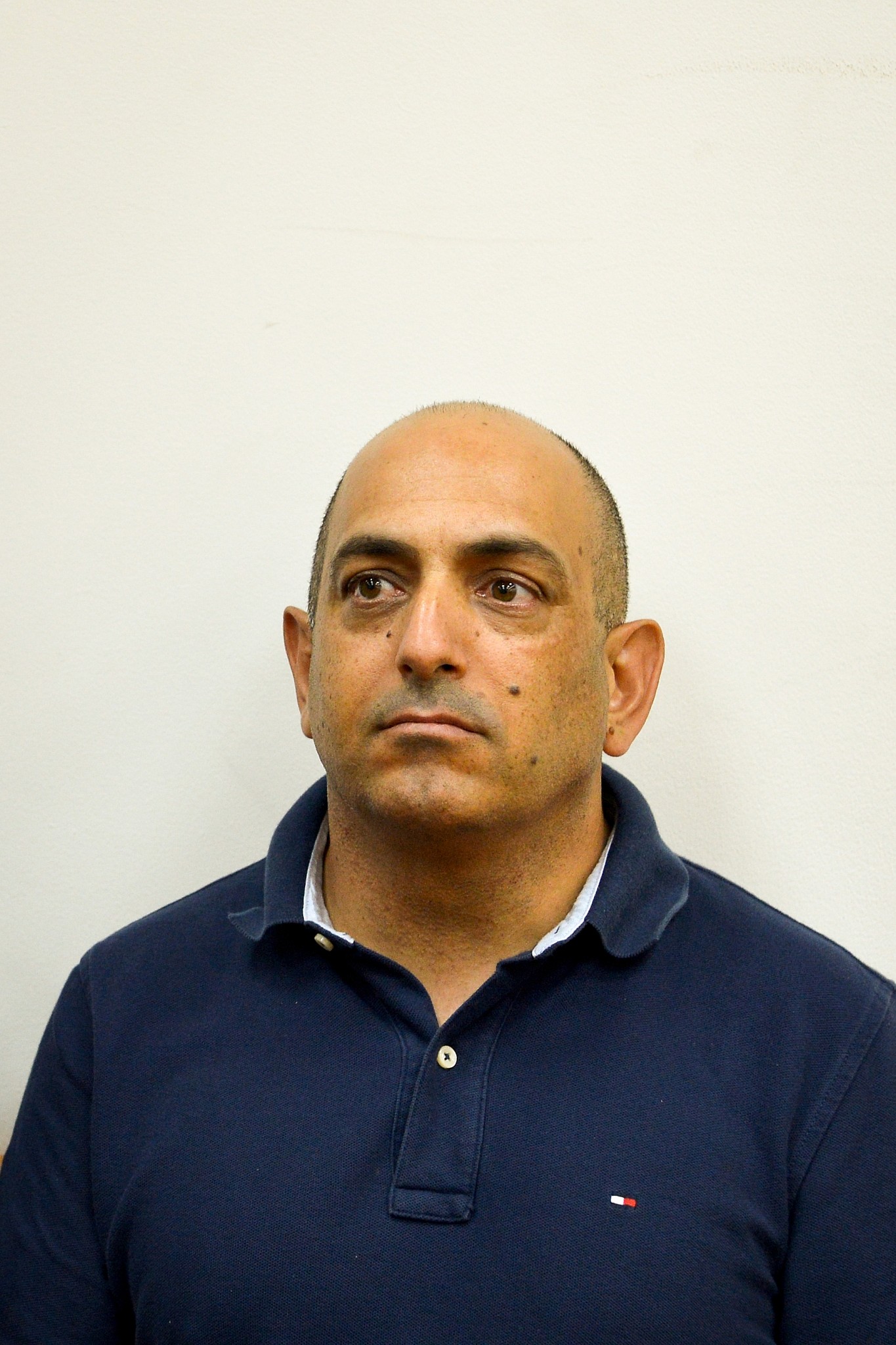
Ganor had promised to buy Rosenbaum an apartment in return for the information, although he never followed through, the report said.
Also among the suspects detained on Sunday is a former commander of the elite naval commando unit Shayetet 13, whose arrest was extended by four days. Although the court rejected a request by his legal representative that he not be identified in the media, it agreed to maintain a blackout on his name for 24 hours while an appeal is filed.
In August, Channel 10 news reported that during her time at the NSC, Rosenbaum tried to set up a meeting between Ganor and the then Israeli ambassador to Germany, Yoram Ben Ze’ev. The report said that Rosenbaum told Ben Ze’ev that since he would soon be retiring, it was in his interest to speak with Ganor as the agent had many management and board of director positions to offer. Ben Ze’ev refused to hold a meeting.
Rosenbaum was fired from the NSC in 2010 by the director at the time, Uzi Arad, who reportedly was disappointed with her work and claimed she was untrustworthy.
Investigators suspect that Ganor, along with former National Security Council deputy head Avriel Bar-Yosef, paid bribes in connection with the decision to buy three submarines from ThyssenKrupp, despite opposition from the Israeli Defense Ministry.
They also reportedly influenced decisions to buy naval corvettes to protect Israel’s offshore gas fields and awarded ThyssenKrupp a contract to service other naval vessels.
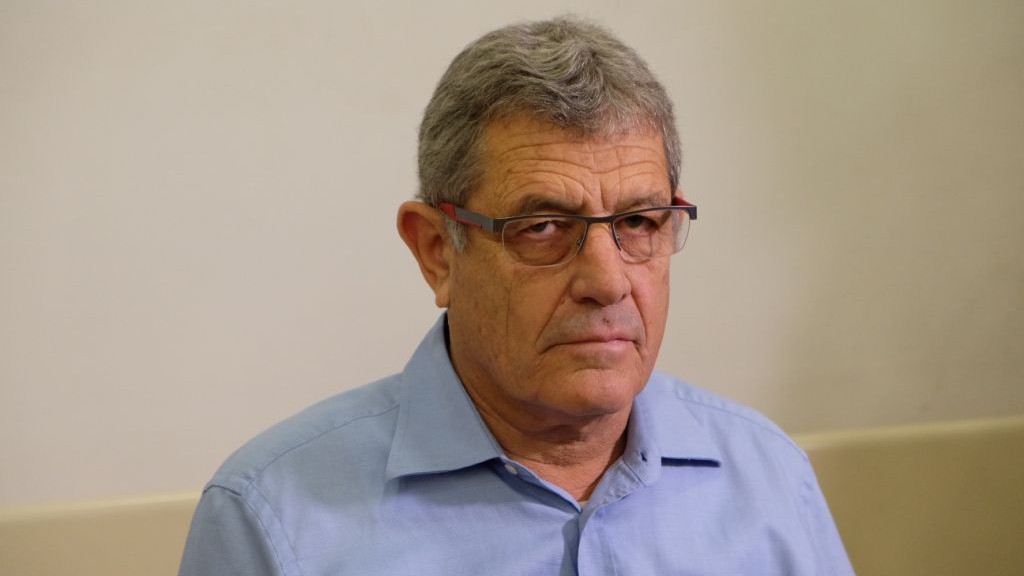
While Netanyahu is not suspected in the case, his personal lawyer, David Shimron, has been questioned several times by police’s anti-corruption unit Lahav 433.
Ganor has claimed that Shimron (who was also his attorney) was to receive 20 percent of his own commission of $45 million, Channel 2 and Channel 10 reported last month.
Shimron was hired by Ganor to negotiate the ship and submarine purchases.
In a statement given to his attorneys, Shimron reportedly denied he was to receive a cut from the deal beyond his legal fees.
When he turned state’s witness, Ganor was suspected of fraud, money laundering and conspiracy to commit a crime. He has reportedly been transferred to a police safe house.










The Times of Israel Community.