

IDF puts lien on wounded veteran’s bank account
Army expects officer injured in Hezbollah attack to return grant he received after agreeing to extend his service, then changing his mind
 Add ToI as a Preferred Source on Google
Stuart Winer is a breaking news editor at The Times of Israel.

The IDF has maintained a lien on a former officer’s bank account for nearly a year amid a squabble over a grant the soldier was given as a bonus for extending his service, but was then required to return after he decided to leave the army following his injury in a Hezbollah ambush.
The former officer had agreed to sign up for an extra two years’ service during which he was promised a company commander’s course and a significant position within his battalion, the Ynet news site reported on Tuesday.
To make the deal more attractive to the officer, who was serving in the Givati infantry brigade, the IDF gave him a NIS 34,000 ($8,920) grant in 2014. The soldier, whose identity was not revealed in the report, took the money and signed on to extend his service, but the assurance of attending the advanced officer training was not fulfilled.
Disappointed with the delay, the officer asked to be released immediately from the army. But before he could sign release papers, in January 2015, his unit was sent to bolster forces on the border with Lebanon after senior Hezbollah commander Jihad Mughniyeh and 11 others — including Iranian Revolutionary Guard Corps members — were killed in the Syrian Golan Heights in an airstrike attributed to Israel.
A retaliatory attack came days later, with Hezbollah firing several anti-tank missiles at an IDF convoy in the Mount Dov region along the Lebanese border.
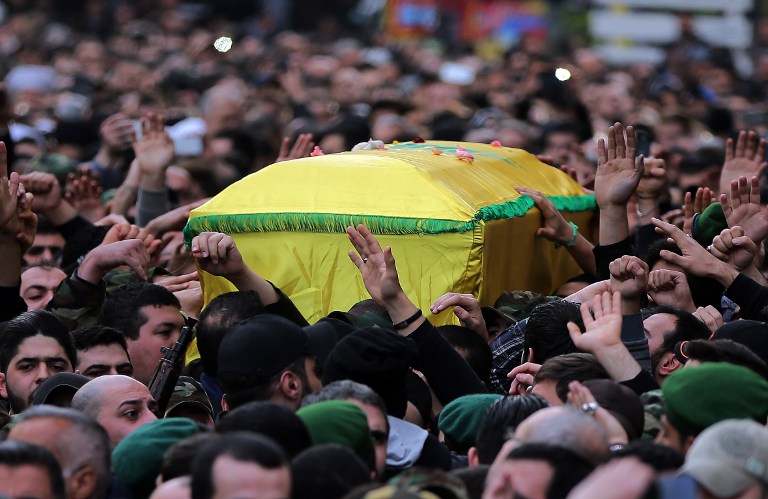
A company commander and another soldier were killed, and the officer at the center of the financial dispute was moderately injured by shrapnel. After recuperating for six months and returning to his unit, he requested to be discharged after learning that he would need to wait another year to attend the training course due to “system constraints.”
In the paperwork he signed, the officer, who is recognized as having disabilities caused by injuries during his service, apparently admitted that the money was supposed to be returned but noted that he had been assured by his commanders that the debt would be erased.
Despite those ostensible assurances, in December 2015 a lien was put on his bank account, with the IDF demanding he pay NIS 51,784 ($13,600).
The officer, who now lives with his mother, told Ynet he offered to pay back the money in installments but claims the IDF is demanding he hand over a lump sum.
“The bank won’t give me loans or checks, I have no way to pay back this sum,” he said.
In a statement the IDF said that it was demanding the money because there was no connection between the officer’s injuries and his release from the army.
“In the past it was explained to the officer that if he decides to shorten his service he will need to pay back the grant that he was given for his commitment to extending his service, as is the norm for the IDF,” it said.
The IDF maintains the officer chose to end his service and even insisted on it, even though he was told he could take the company commander course in the future. During his release he signed paperwork admitting he knew he would have to pay back the money, the army said, as well as additional sums for an excess of vacation days he took. In addition, in May 2015 he signed a document that he was aware legal action would be taken if he didn’t pay back the money, according to the army.









The Times of Israel Community.