

In world first, Israeli researchers use blood cancer treatment for Alzheimer’s in mice
Weizmann and Washington U. scientists harness CAR T-cell therapy to fight brain tissue inflammation in mice, potentially paving way to treat numerous neurodegenerative disorders
 Add ToI as a Preferred Source on Google
Reporter at The Times of Israel
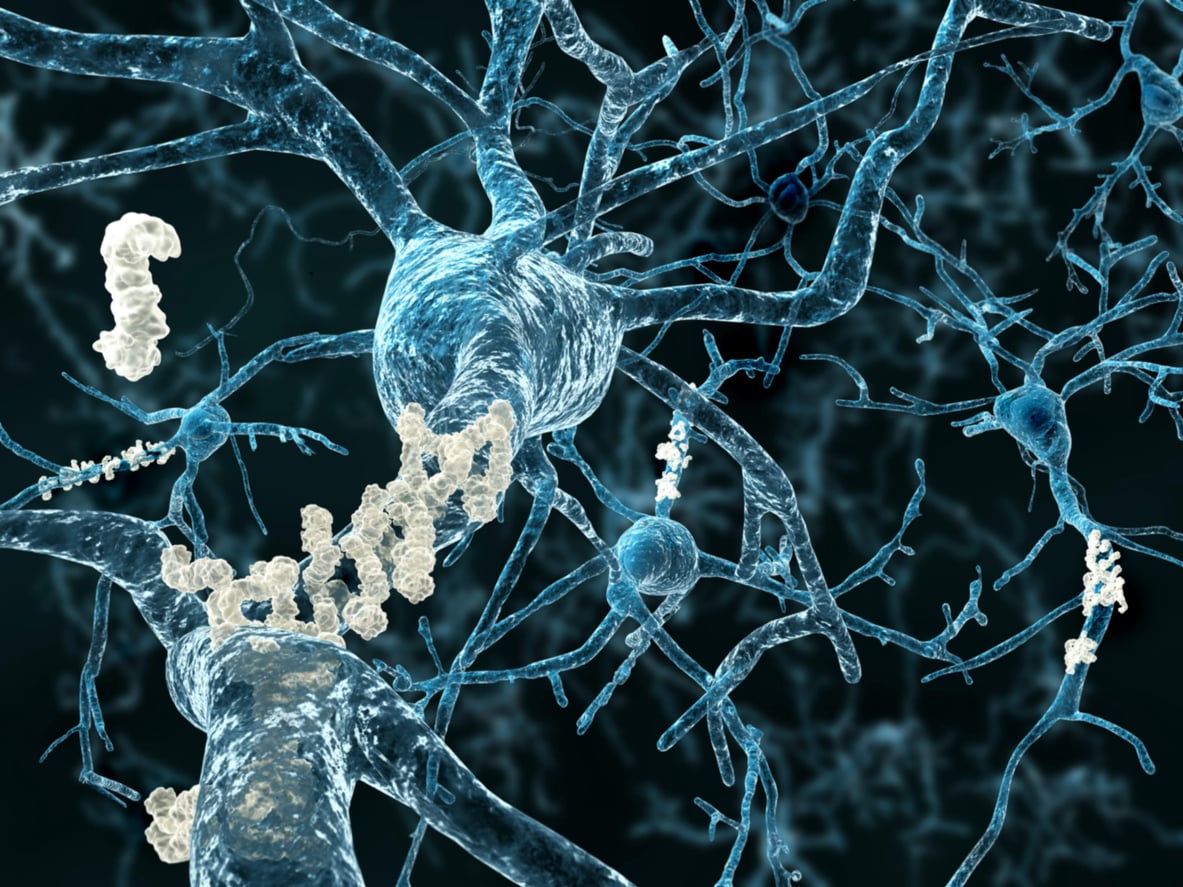
In a breakthrough, an international research team led by scientists from the Weizmann Institute of Science and Washington University School of Medicine in St. Louis says it is the first to make use of an innovative immunotherapy that treats blood cancers to instead help fight Alzheimer’s disease.
Called CAR T-cell therapy, the treatment produced promising results in a mouse model of Alzheimer’s, potentially paving the way for treating the ravaging brain disease and other neurodegenerative disorders.
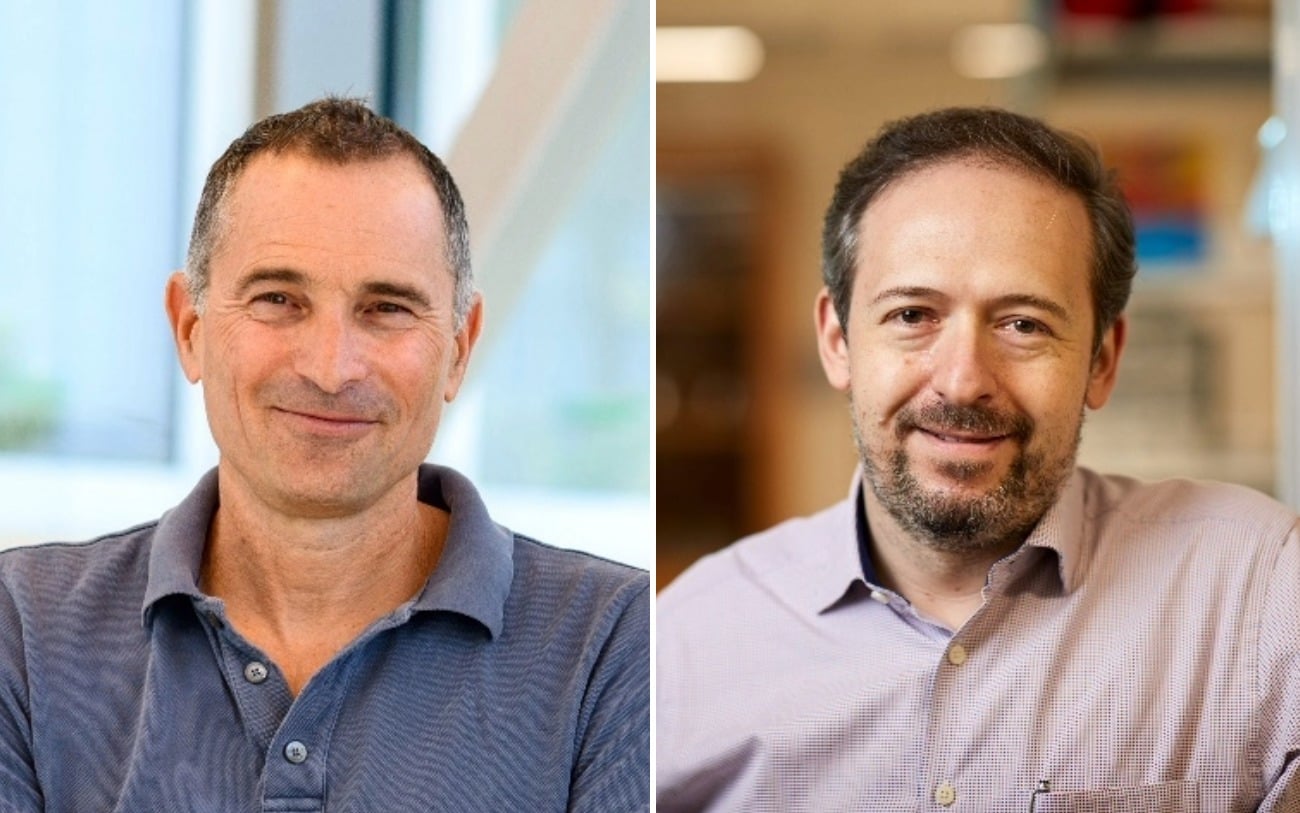
The peer-reviewed study, published on Monday in the Proceedings of the National Academy of Sciences, was headed by Prof. Ido Amit of Weizmann’s Systems Immunology Department and Prof. Jonathan Kipnis of Washington University School of Medicine, and led by postdoctoral fellow Dr. Pavle Boskovic.
The scientists’ research was based on the pioneering groundwork laid by Israel Prize winner Prof. Zelig Eshhar of Weizmann over 30 years ago. Eshhar, who developed CAR-T (Chimeric Antigen Receptor T-cell) therapy, died this past July.
“Eshhar’s ingenious work was developed for blood cancer, and we saw that it has huge potential and took it a step further,” Amit told The Times of Israel.
In Israel, it is estimated that there are 150,000 people with Alzheimer’s and other neurodegenerative diseases.
The cause of Alzheimer’s remains a mystery, but one of the central hallmarks of the disease is the accumulation of amyloid-beta protein plaques in the brain, accompanied by signs of inflammation in brain tissue.
These plaque accumulations in neurons kill brain cells in Alzheimer’s sufferers, leading to the degeneration of cognitive function and the loss of memory associated with the disease.
Eshhar’s pioneering work with CAR-T
The Alzheimer’s research team set about isolating T cells from the immune system of healthy mice.
T cells, also known as T lymphocytes, are a type of white blood cell that plays a crucial role in helping the immune system to fight infections and diseases.
However, these cells are not enough to fight cancer cells.
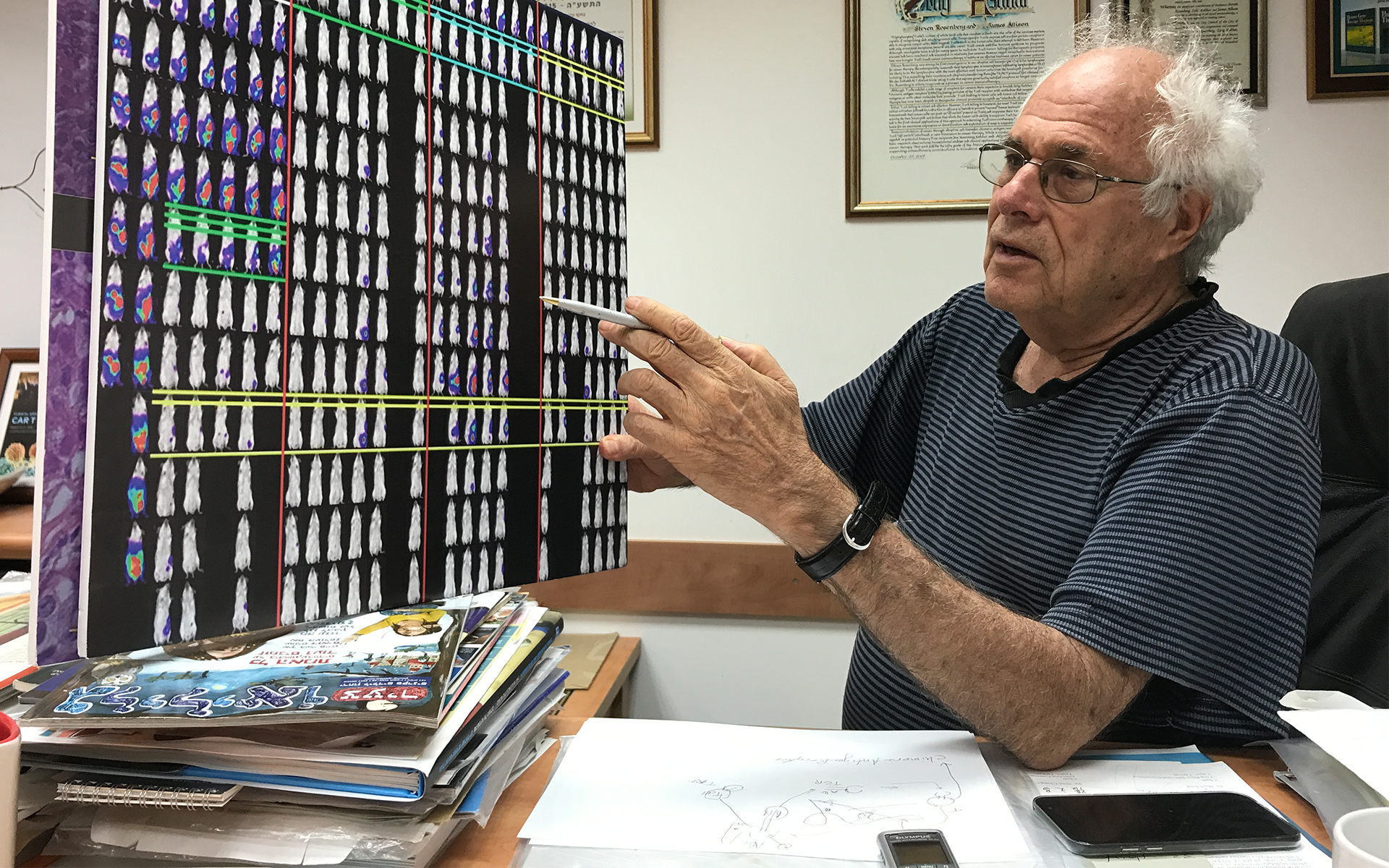
Eshhar was the first to extract T-cells and genetically engineer them to include a molecule that can recognize and attack cancer.
“Just as Israel invented cherry tomatoes, Eshhar came up with something completely unexpected,” Amit said. “Instead of developing antibodies and small-body drugs, he actually took a cell and engineered the cell to be a drug.”
Amit said the team of Alzheimer’s researchers genetically engineered Eshhar’s modified T cells to recognize and respond to amyloid proteins in the brain.
The scientists then injected these engineered cells into mice whose brains already contained amyloid-beta plaques, a hallmark of Alzheimer’s disease. The injections led to a significant reduction in amyloid deposits and a decrease in markers of brain-tissue inflammation.
By using genetics, big data, machine learning, and what Amit called “synthetic biology and synthetic immunology,” the scientists engineered the modified T cells to migrate to the pathological area in the brain and “remove this vicious cycle of damage.”
Kipnis, who earned his PhD from Weizmann, said this is the first CAR T-cell approach for a neurodegenerative disease.
“It represents an exciting step toward finding novel therapies for Alzheimer’s and different neurodegenerative diseases, including amyotrophic lateral sclerosis [ALS] and Parkinson’s disease,” he said.
Amit said that the legacy Eshhar left at Weizmann is “encouraging researchers to be creative and really go in a direction that no one has gone before.”
In this way, the scientists’ future research involves using this technology to release “all kinds of cargo, or different growth factors, that will support recovery from severe brain damage, and even the regrowth and regeneration of brain tissue,” Amit said.




The Times of Israel Community.