

Israel woefully unprepared, unequipped to deal with major earthquake, ombudsman finds
Damning audit shows government never acted on recommendations from 2021 to streamline process of getting buildings up to code, and doesn’t work with local authorities on the issue
 Add ToI as a Preferred Source on Google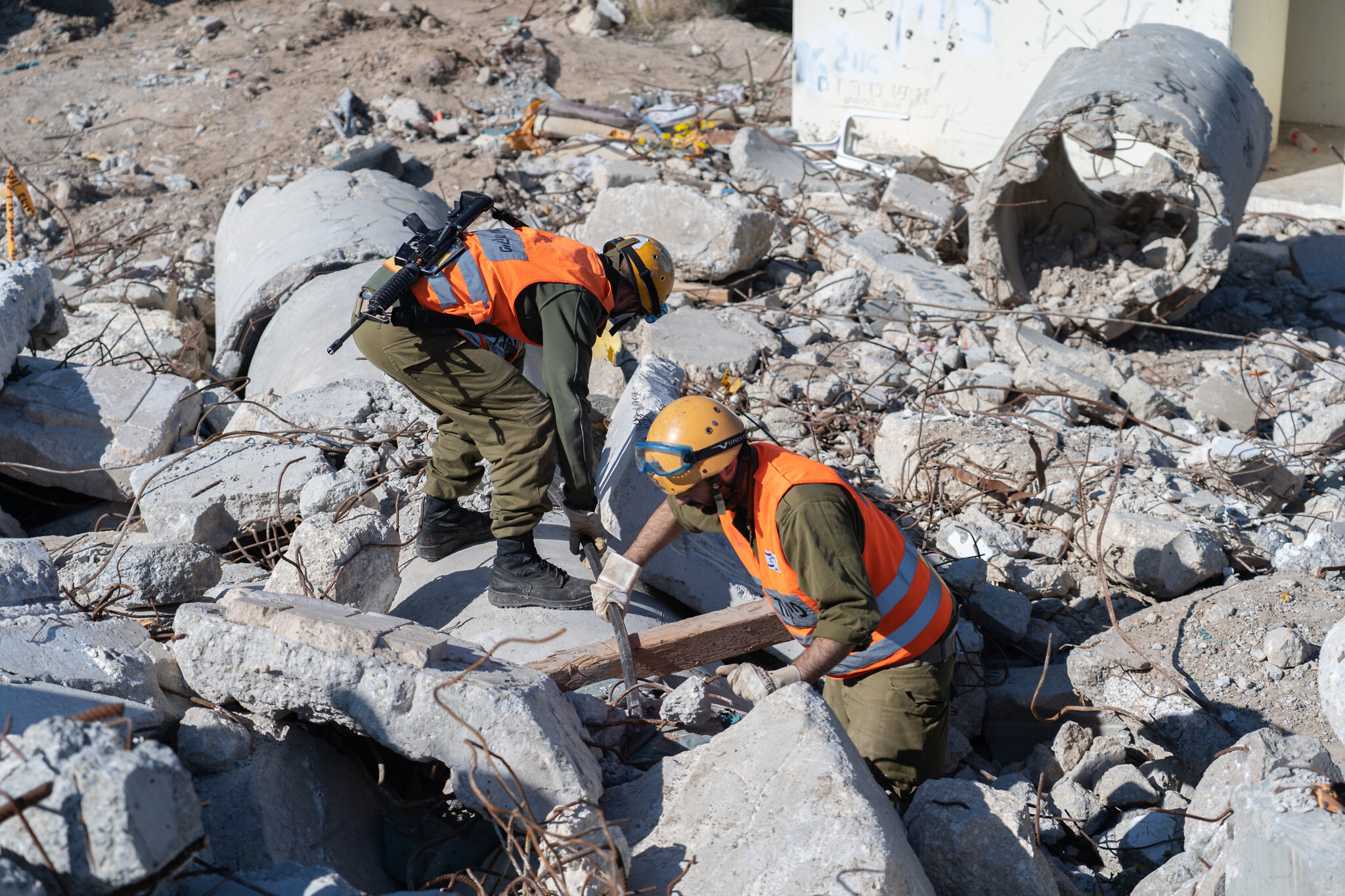
State Comptroller Matanyahu Englman warned on Tuesday that Israel is woefully unprepared to handle a major earthquake, of the sort that has occurred across the region in recent years, and has made little to no progress toward addressing the issue since the last time it was raised.
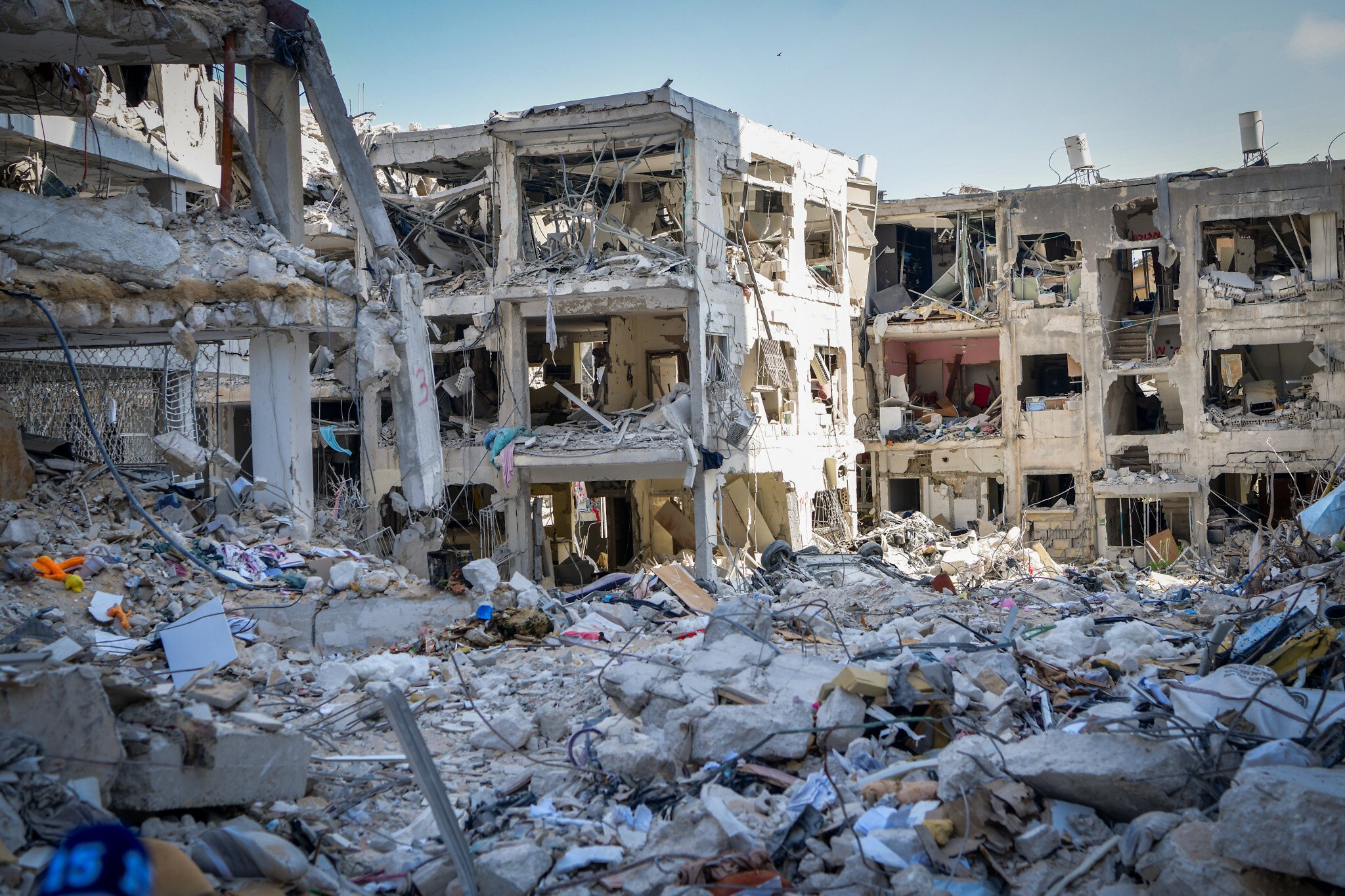
In a damning report published by his office, Englman estimated that as many as 810,000 apartment buildings across Israel do not meet the standard for earthquake resistance and would not be able to withstand strong tremors.
While local municipalities have been working, albeit slowly, to reinforce and renovate buildings to ensure that they are up to code, Englman’s report found that this process has been severely hampered by a lack of coordination between local authorities and the government.
This means that for all intents and purposes, the matter of bringing the buildings up to code is left solely to local authorities, with little government oversight. Englman found that since the previous audit in 2023, just 10 percent of renovations to reinforce buildings against earthquakes have been approved.
This lack of government oversight has been a longstanding issue, and in 2021, the state comptroller recommended that the Prime Minister’s Office work together with the Interior Ministry and the Housing Ministry to streamline the process of getting buildings up to code.
However, Tuesday’s report found that no steps were ever taken to implement this recommendation. This means that not only were no budgets allocated to local municipalities to reinforce buildings, but that the government has not even created formal guidelines to determine whether or not a building qualifies for renovation.
He urged the government to commit to “formulating practical plans to reinforce the buildings rather than waiting for the next emergency, the consequences of which could be many times more serious.”
Local authorities were not spared from criticism either, as Englman found that 45 localities across Israel had not created their own guidelines to determine what is considered an unsafe building.
Highlighting the urgency of the situation, Englman pointed to data from the 12-day war with Iran last month, in which some 2,300 homes were damaged by ballistic missiles.
“Even after we have warned you again and again, the Israeli government has not internalized the danger inherent in some 810,000 apartments that are not earthquake resistant,” he said. “The Iranian missiles illustrated more than anything the gap between old buildings and those that are up to code.”
The last major earthquake to hit the region was in 1927 — a 6.2-magnitude tremor that killed 500 people and injured 700. Seismologists estimate that such earthquakes occur in this region approximately every 100 years.
Failure to address increased wildfire risk
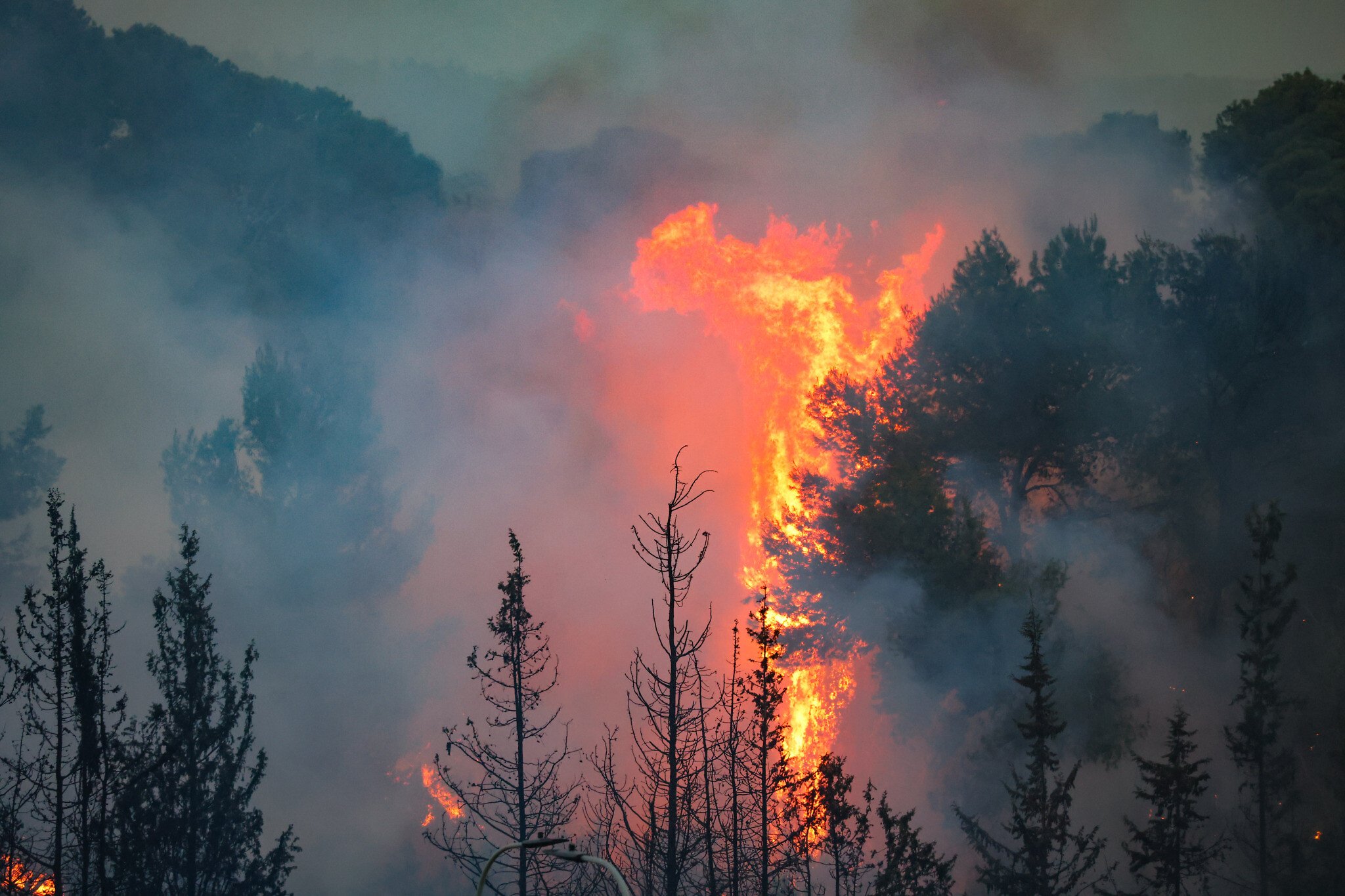
In another chapter of his report, Englman declared that the government and local councils were also unprepared for dealing with the impacts of climate change, which, among other things, include an increased risk of wildfires.
In particular, the report singled out the city of Haifa, in northern Israel, for failing to have emergency fire plans in place for several high-risk neighborhoods.
These neighborhoods are home to nearly 30,000 people, and are lacking the infrastructure to evacuate in a safe and timely manner while also allowing firefighters access to the area, the report found.
In 2024, it said, 33,500 fires were recorded across Israel. This was an increase from previous years, when an average of 28,500 were recorded annually between 2020 and 2024.
Despite this, it said, only nine out of 81 identified high-risk areas have measures in place to prevent fires from spreading in open areas.
The ombudsman laid blame on the National Security Ministry, headed by Otzma Yehudit chairman Itamar Ben Gvir.
“Despite the government’s 2022 decision to formulate a multi-year national plan to deal with fires and expand the budget for establishing buffer zones, apart from approving a list of 20 high-risk zones (out of 583 zones) and budgeting for nine of them, the National Security Ministry — which is responsible for implementing the government’s decision — has not acted,” Englman wrote.
He recalled the massive wildfires that raged across Israel this past Independence Day in May, and urged the government to see the incident as a wake-up call to act.
“The National Security Ministry and Interior Ministry must work together to plan regulations, life-saving regulations, to protect communities from fires,” he warned.










The Times of Israel Community.