

Jenin op highlights need for West Bank strategy; instead, we’re back to the overhaul
After limited incursion, rather than focus on long-term plan to prevent anarchy and worse in West Bank, coalition again prioritizing its divisive obsession with neutering judiciary

 Add ToI as a Preferred Source on Google
David Horovitz is the founding editor of The Times of Israel. He is the author of "Still Life with Bombers" (2004) and "A Little Too Close to God" (2000), and co-author of "Shalom Friend: The Life and Legacy of Yitzhak Rabin" (1996). He previously edited The Jerusalem Post (2004-2011) and The Jerusalem Report (1998-2004).
An earlier version of this Editor’s Note was sent out on Wednesday in ToI’s weekly update email to members of the Times of Israel Community. To receive these Editor’s Notes as they’re released, join the ToI Community here.
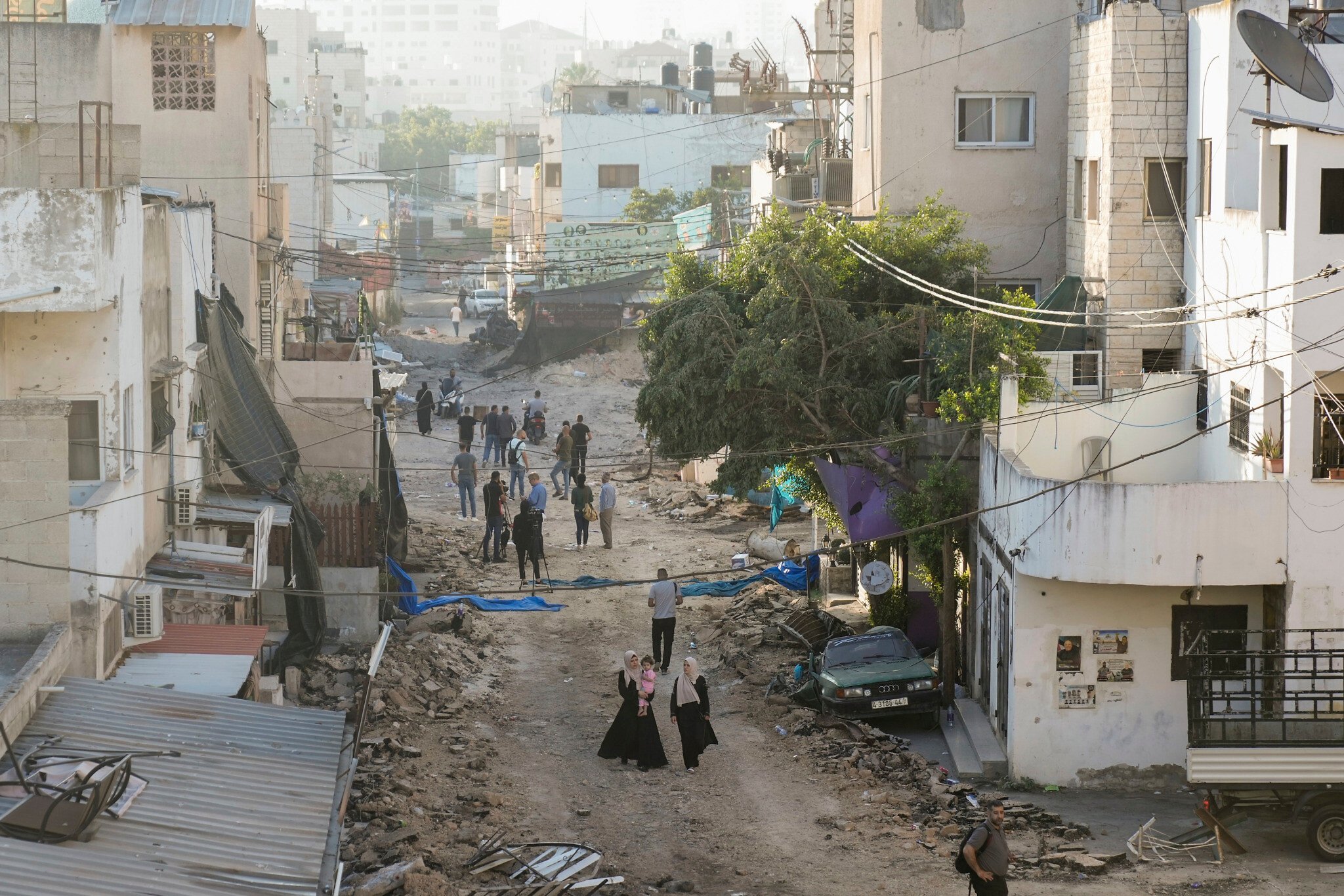
The IDF’s calibrated two-day incursion in Jenin was no strategic game-changer. Neither was it intended to be.
The military was disinclined even to formally designate it an “operation” — so as not to imply comparisons with far-reaching offensives in years past, most notably 2002’s month-long Operation Defensive Shield, which saw the IDF return to the major West Bank cities to successfully tackle the terrorist infrastructure behind the Second Intifada onslaught of suicide bombings.
The declaredly limited goal of this week’s incursion, by contrast, was to begin to reassert Israeli deterrence in the northern West Bank, with a focus on the terror cells in the Jenin area, and to do so without being drawn into a deepening conflict, without prompting escalating international criticism, and with the expectation that further such limited offensives are in prospect.
Israel cannot allow the West Bank to turn into another Gaza, with terrorist organizations increasingly emboldened.
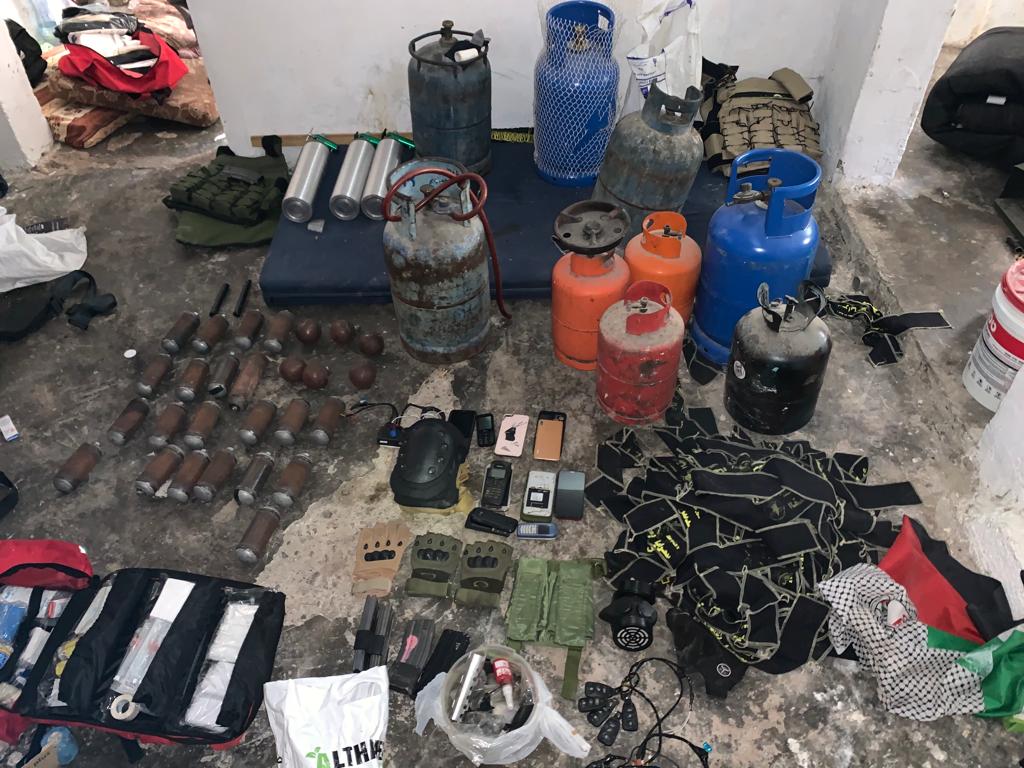
Notably, it simply cannot countenance a West Bank capacity to manufacture and fire rockets into Israel: Almost anywhere in the country is in range of rudimentary rocket fire from the West Bank, and Israel, including the airport, would be paralyzed were the beginnings of the West Bank rocket industry we have evidenced in recent weeks permitted to reach fruition.
To date, the IDF and the Shin Bet have worked more closely with the Palestinian Authority’s security forces than Israel’s political leadership has wanted to acknowledge. But the PA, with its elderly president and deep unpopularity, is proving unwilling and/or unable to tackle the terror cells in the northern West Bank, and had completely lost control in Jenin.
Many members of the current coalition, with Religious Zionism leader Bezalel Smotrich at their fore, would want Israel to annex the West Bank and retake full control. Prime Minister Benjamin Netanyahu, while he pushed in vain under the Trump Administration to annex all the settlements and the Jordan Valley, has not thus far overtly sought the collapse of the PA and full Israeli annexation.
Full sovereignty in the Land of Israel spells either the loss of the Jewish majority in a much expanded Israel, or the denial of equal rights to non-Jewish citizens in that expanded Israel, and thus the loss of democracy.
The left-wing alternative, as advocated by one-time Labor defense minister candidate Amos Yadlin, the former head of IDF intelligence, by contrast, proposes an Israeli withdrawal from much of the West Bank, carried out in coordination with the US and Israel’s Arab allies, with a range of security arrangements intended to ensure that the vacated territory does not become a Gaza-style terror-state. But the Gaza experience, where Hamas took over the territory in 2007 less than two years after Israel had withdrawn, hardly constitutes an encouraging precedent.
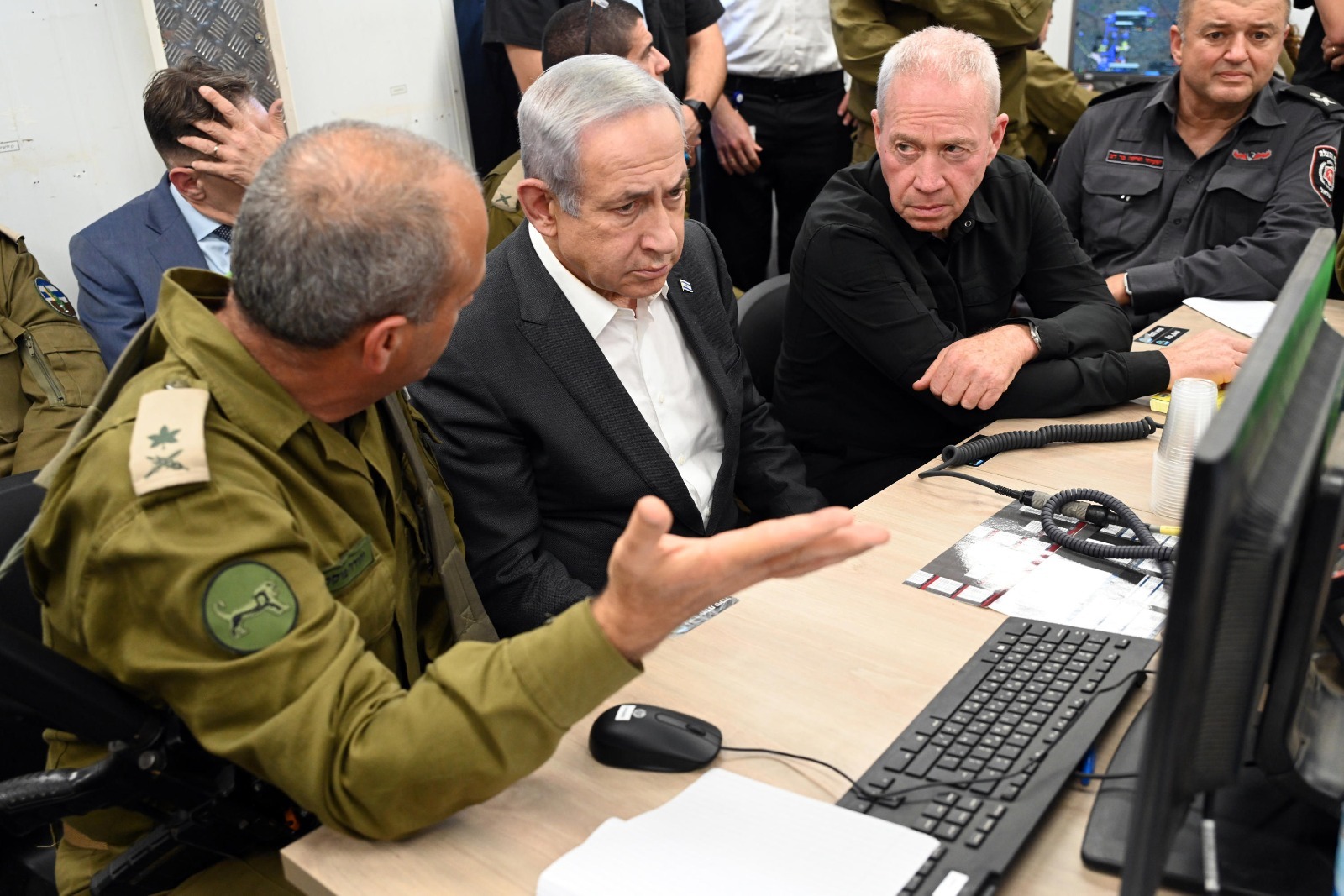
Viewed in the context of Israel’s core, long-term interests — the necessity to thwart Iran’s nuclear weapons drive; the desire to broaden our regional alliances, especially by normalizing ties with Saudi Arabia; the imperative to maintain stability, security and a thriving economy at home — it is patently vital that Israel develop and implement a viable national strategy in regard to the Palestinians. Vital, but far from straightforward, and thus necessitating considerable attention, time and resources at the highest levels of government.
Instead, even as the Jenin incursion was in full sway, the coalition was busily reviving the issue to which it has unconscionably devoted more attention than any other in its first half-year in power — its destructive judicial overhaul blitz.
Simcha Rothman on Tuesday barrelled through his Knesset Constitution, Law and Justice Committee a version of the “reasonableness” legislation so extreme as to now be publicly opposed even by some of the conservative advocates whose backing he had previously invoked, ahead of that bill’s first intended Knesset reading early next week.

Justice Minister Yariv Levin, for his part, on Wednesday reopened his assault on the really very sensible, consensual process by which Israel chooses its judges, under which the judiciary and the coalition must both agree on High Court appointees, terming it skewed, absurd and unacceptable. One of the coalition’s latest reported ideas is to remake the Judicial Selection Committee with a membership comprised solely of coalition and opposition politicians, in equal numbers, whereby every appointment is by definition political, and all justices are tarred as appointees of this or that camp.
And Netanyahu himself is now swinging in the overhaul winds — telling The Wall Street Journal last Thursday that the so-called “override” legislation, which would broadly prevent the High Court from blocking legislation and government decisions, is categorically “out,” and then reportedly assuring his outraged coalition colleagues three days later that, no, he hasn’t shelved it.
As the overhaul push resumes, the rallies and demonstrations against it intensify, naturally.
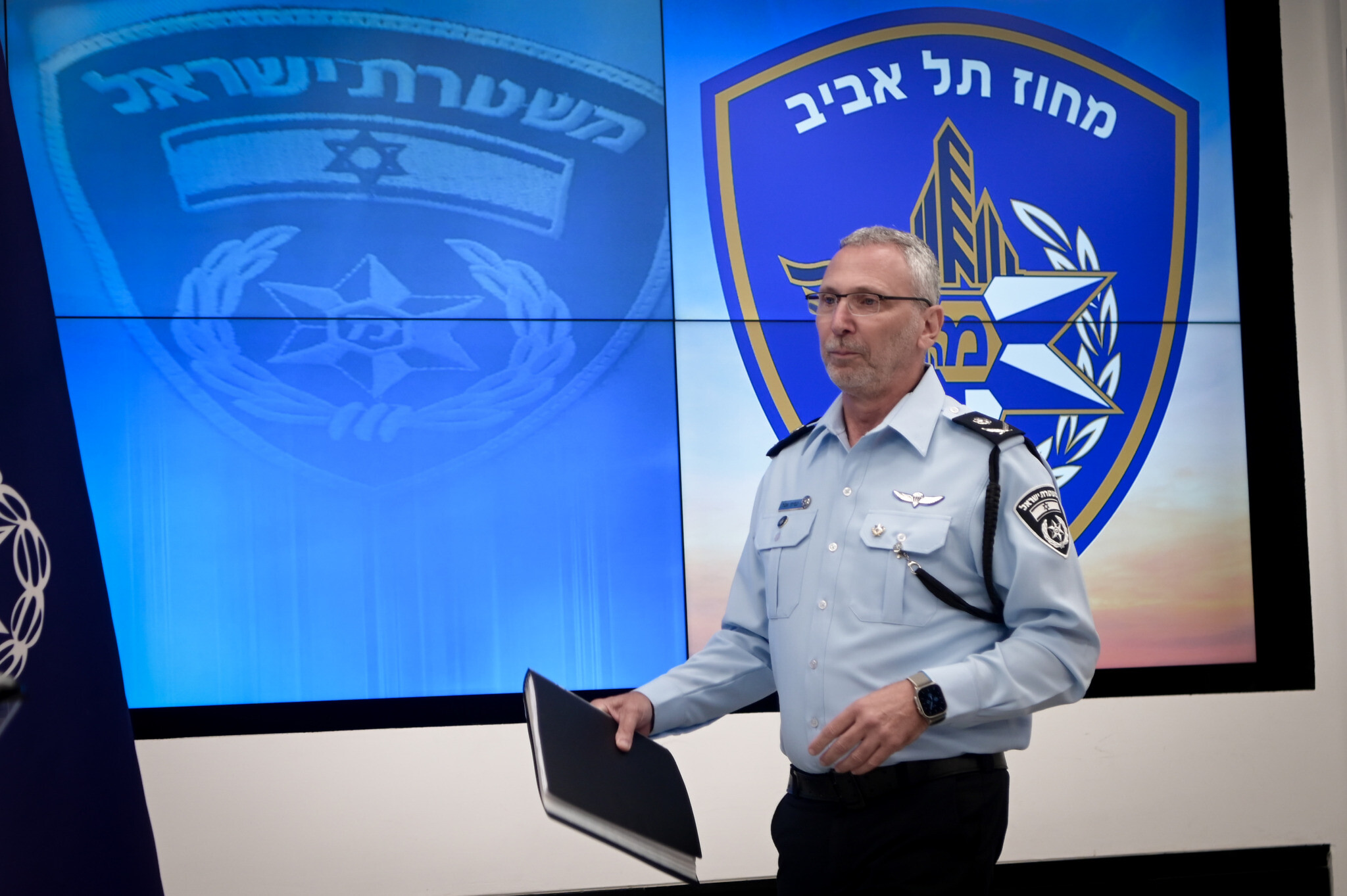
Indeed, furious demonstrations erupted on Wednesday evening, with the Ayalon Highway blocked for hours, after Tel Aviv police chief Amichai Eshed announced he was resigning from the force, to preempt his transfer from his post to a more marginal role on the orders of National Security Minister Itamar Ben Gvir.
“I could have easily used disproportionate force and filled the Ichilov [Medical Center] emergency room at the end of every demonstration in Tel Aviv,” said Eshed. “We could have cleared Ayalon [Highway] within minutes, at the terrible cost of cracking heads and breaking bones, and at the cost of breaking the pact between police and the citizenry.”
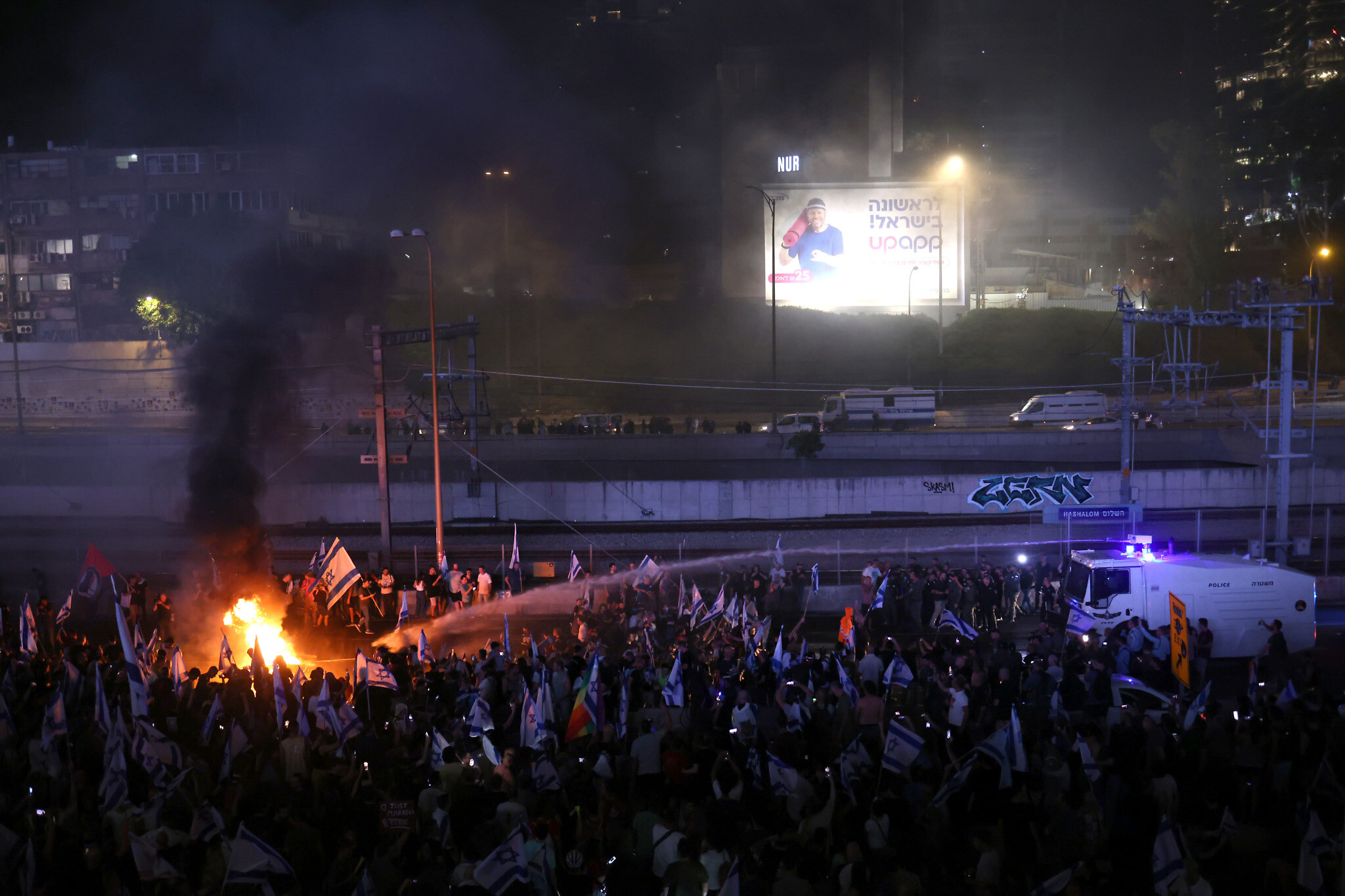
A 15,000-strong protest at Ben Gurion Airport on Monday — where the interior airport roads were blocked for hours, causing considerable chaos, and hundreds of demonstrators provided a raucous welcome for travelers inside the arrivals hall itself — likely alienated at least some potential supporters. But the protest organizers are motivated to again ratchet up activities by the precedent of late March — when Netanyahu felt compelled to suspend the legislation amid a vast outpouring of public anger at his firing of Defense Minister Yoav Gallant, who had warned of the legislation’s divisive impact within the military and the dangerous consequences for national security.

The prime minister is apparently again now ready to risk a repeat of those heightened internal Israeli divisions, in the cause of what he knows full well is the manifestly anti-democratic neutering of the judicial system.
What he ought to be doing, it should hardly need saying, is minimizing internal divides, and focusing on Israel’s true priorities — most definitely including a strategy to prevent anarchy and worse in the West Bank.









The Times of Israel Community.