

Knesset set to begin anchoring coalition deal in law as High Court ruling looms
MKs to consider some 1,000 objections to bills setting out premiership rotation and other provisions ahead of expected final vote Thursday to pave way for power-sharing government
 Add ToI as a Preferred Source on Google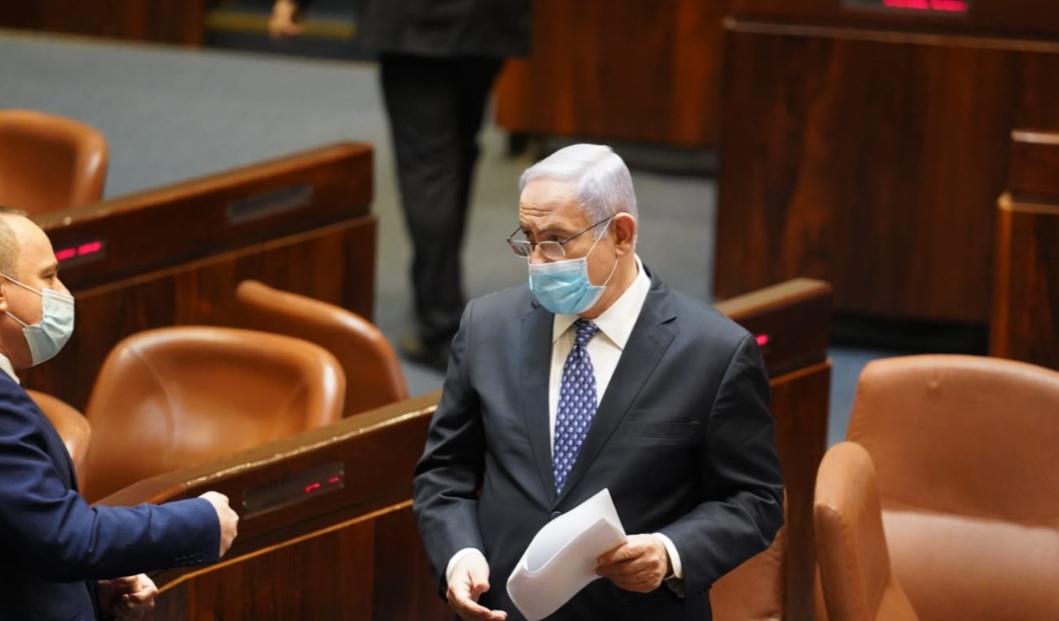
The Knesset was set to vote Wednesday on a series of laws approving a coalition deal between Prime Minister Benjamin Netanyahu and his rival-turned-ally Benny Gantz, ahead of a deadline to avoid yet another election.
The alliance formed last month between the right-wing incumbent and his centrist challenger followed three inconclusive elections in less than a year, but both sides have conditioned forming a government on a long list of controversial changes to existing laws, including anchoring a pre-approved prime ministerial rotation and freezing certain types of Knesset activity and senior appointments.
Bills on the changes to pave the way for the coalition deal were brought to the Knesset on Tuesday.
They face about 1,000 amendment requests from opponents, which are set to be voted on and quashed during a marathon session on Wednesday before a final vote on the new laws Thursday morning.
Thursday will also see the High Court rule on a number of petitions seeking to have Netanyahu disqualified or have specific provisions of the deal struck down.
The bills have a path to the 61 seats needed to pass, counting Likud’s 36 Knesset votes, the 15 controlled by Gantz and ultra-Orthodox MKs who support Netanyahu.
If they pass, the Knesset would then formally ask President Reuvin Rivlin to give Netanyahu a mandate to form a government. With a presidential mandate, Netanyahu would have two weeks to finalize his coalition, including ongoing haggling over cabinet jobs.

But if the unexpected happens and the Knesset does not endorse a candidate for prime minister by midnight Thursday, Israel could be forced to hold its fourth election in less than two years, a prospect dreaded across the political spectrum.
Under the three-year deal signed April 20, Netanyahu would serve as prime minister for 18 months, with Gantz as his alternate, a new position in Israeli governance.
They will swap roles midway through the three-year deal, while cabinet positions will be split between Netanyahu’s Likud party and Gantz’s Blue and White Alliance, as well as their respective allies.
The deal could offer Israel a rare period of political stability as it seeks to repair the economic damage wrought by the novel coronavirus, which has infected more than 16,000 people in the country.
But the pact’s opponents have sought to torpedo it in the High Court and in the Knesset.
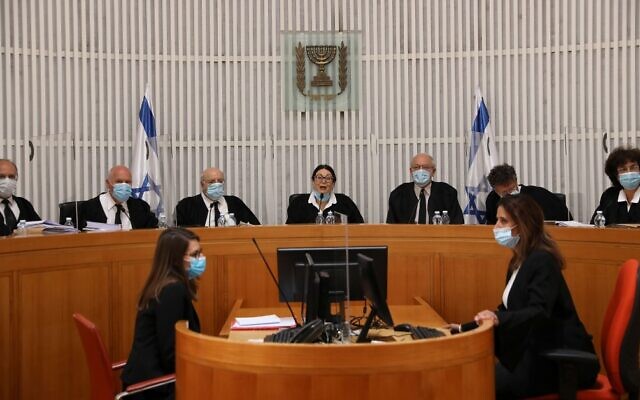
In a two-day hearing this week, the Supreme Court heard arguments from eight petitioners seeking to block the deal, including former Gantz ally Yair Lapid, head of the opposition Yesh Atid party.
A main issue is whether Netanyahu is legally allowed to form a government while under criminal indictment. He has been charged with accepting improper gifts and illegally trading favors in exchange for positive media coverage. He denies wrongdoing and his trial is set to start on May 24.
While Israeli law bars ministers from serving while under indictment, there is no such law applying to prime ministers.
Many legal experts have said the 11-judge panel hearing the case will likely follow guidance from Attorney General Avichai Mandelblit, who indicted Netanyahu, but who also told the court there was no legal impediment to Netanyahu forming a government.

The deal’s opponents also challenged specific provisions in the agreement.
Likud and Blue and White on Tuesday informed the court they would adjust some of the provisions that caused concern.
Under the coalition deal, the government was to be defined as an “emergency” body for its first six months, tasked exclusively with combating the coronavirus. Following questions about that clause’s legality, the parties said they would amend the deal to say coronavirus will be the priority through the first six months, but other issues can be also handled.
They also said they would pause certain public appointments for only 100 days, instead of the originally planned six months.
Mandelblit also advised the court that the coalition deal should not be struck down because of problematic clauses, suggesting such issues be addressed at the “implementation stage.”







The Times of Israel Community.