

Latkes con mole and other delicacies feature in this Mexican-Ashkenazi fusion cookbook
‘Sabor Judío’ by Ilan Stavans and Margaret E. Boyle contains more than just recipes from Eastern European immigrants to Mexico – it also dishes up a slice of Jewish history
 Add ToI as a Preferred Source on Google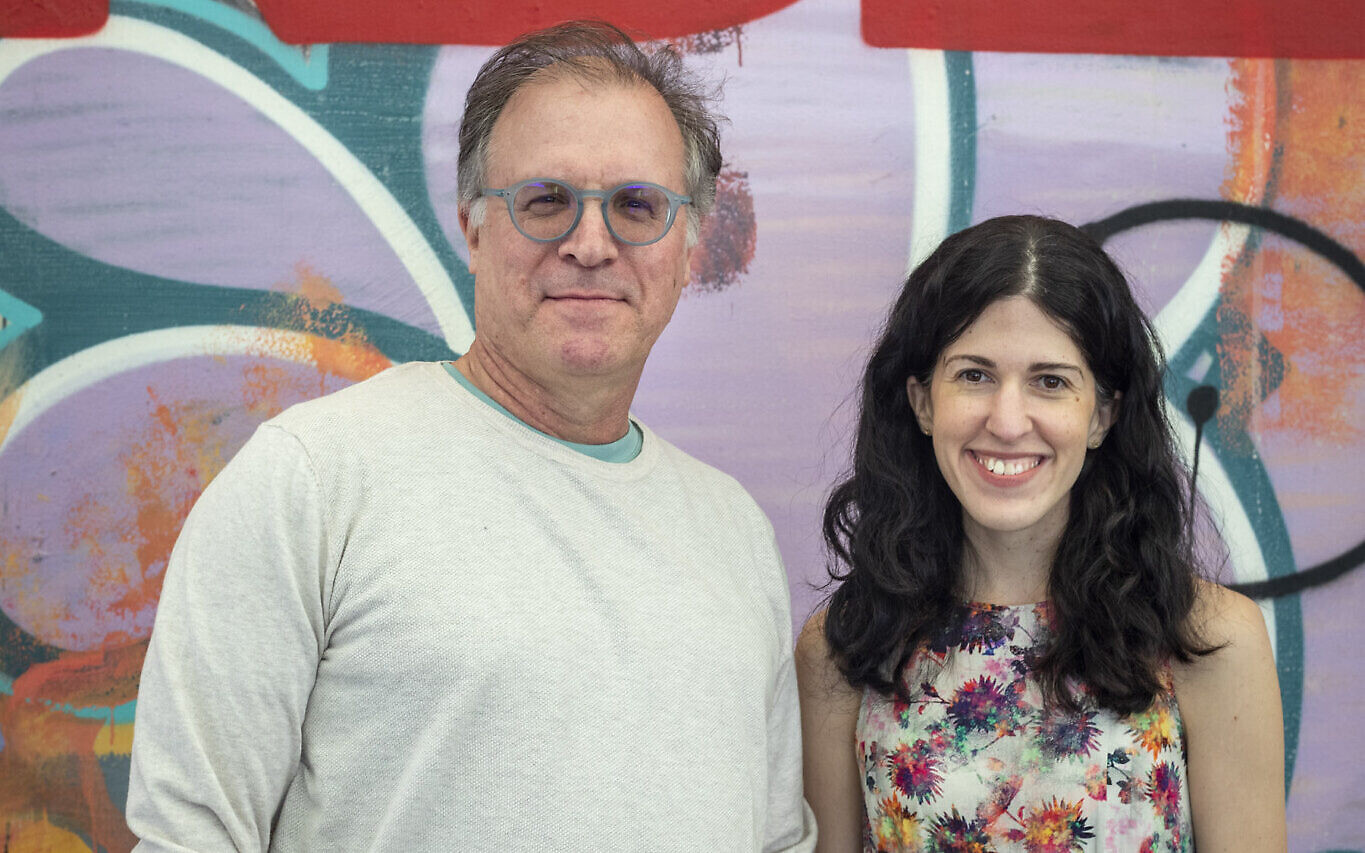
SOMERVILLE, Massachusetts — In the early decades of the last century, Miriam Slomianski, a Jewish woman who immigrated to Mexico City from a Polish shtetl, began writing a recetario — a recipe book — of the foods she prepared for her family.
Written with exquisite penmanship, her recipes and notes flowed from margin to margin in the softbound notebook.
The mother of three was among a wave of Eastern European Jewish immigrants during the 1920s who fled antisemitic persecution and left family and friends to seek better prospects.
In Mexico City, Miriam and thousands of others found a safe haven at a time when they were not welcome in the United States, which had imposed strict immigration quotas.
Miriam’s recipes ranged from the every day to the festive, with special meals she prepared for Shabbat and holidays, including Hanukkah.
Over time, as Miriam perfected her cooking, she added notes and new ingredients that reflected the flavors of her new, adopted home.
At about the same time, Malka Poplawski also immigrated to Mexico at age 19, following her soon-to-be-husband in fleeing from the pogroms in the Polish shtetl where they both lived. In Mexico, they settled in Veracruz, where they raised three sons.
Like Miriam, she started collecting her recipes in a recetario; both women’s compilations were written in Spanish and Yiddish.
These well-preserved collections were eventually passed on to the two women’s great-grandchildren who lived in the US. Ilan Stavans inherited Bobe Miriam’s, and Margaret E. Boyle inherited Bobe Malka’s.
These family heirlooms landed well: Stavans and Boyle are among the most widely regarded scholars of Latin studies and Jewish studies, including Jewish-Mexican history. They understood that their family heirlooms were also important pieces of cultural history.
The Mexican-born Stavans is an Amherst College professor and a New York Times bestselling author of books including “How Yiddish Changed America and How America Changed Yiddish” with co-author Josh Lambert.
Boyle, a Jewish-American-Mexican who grew up in Los Angeles, is an assistant professor of romance languages at Bowdoin College, where she also directs the school’s Latin-American, Caribbean and LatinX studies program. She’s a widely published writer who specializes in women’s and cultural subjects including food.
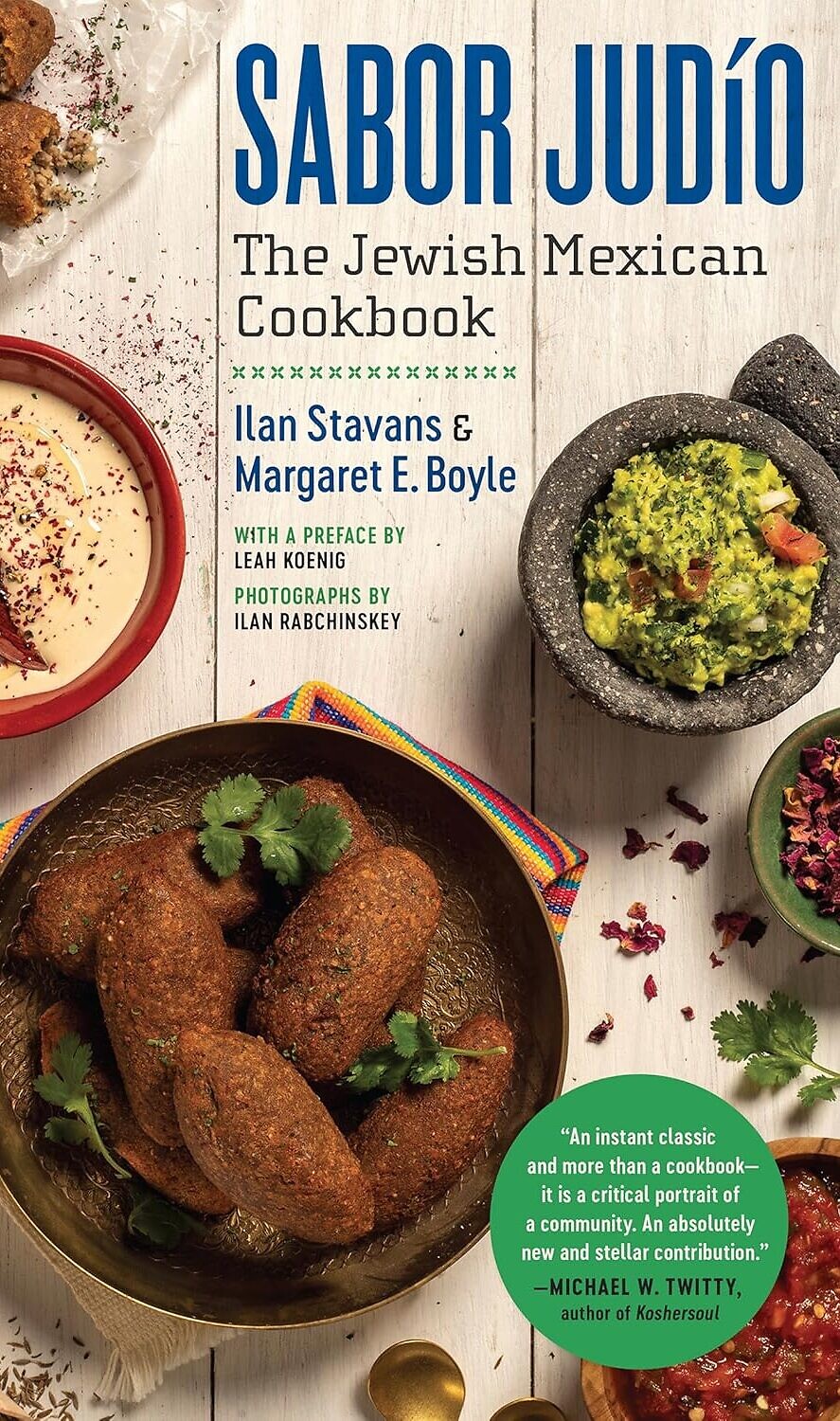
Now, the recipes and the stories that accompany them fill the pages of “Sabor Judío: Jewish Mexican Cooking,” ensuring that their great-grandmothers’ culinary achievements will shine brightly in the little-known world of Jewish-Mexican cuisine.
Lavishly photographed, “Sabor Judío” unfolds around the table, and is filled with 100 recipes and personal stories for Jewish-Mexican-style breakfast, the more leisurely lunch and dinner.
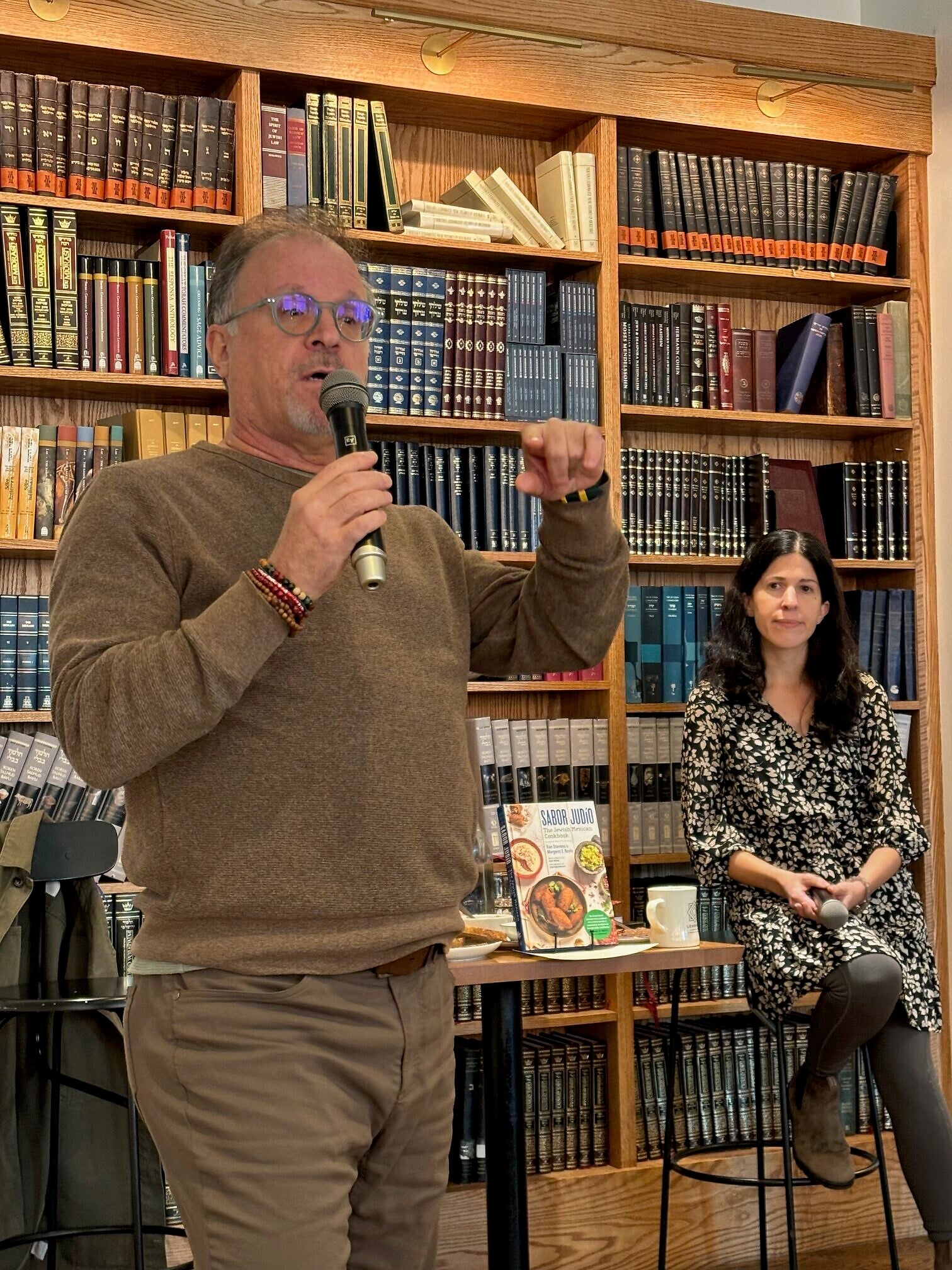
“The book is a labor of love, but it’s also a love letter to the Mexican-Jewish community,” Stavans said at a talk this fall at Lehrhaus Jewish Tavern and House of Learning, in this small city just minutes from downtown Boston.
“Sabor Judío” reveals a fascinating history of Jewish life in Mexico that dates back some 500 years, when Sephardic Jews fled the murderous antisemitism of the Spanish Inquisition, Stavans said.
Centuries later, Jewish refugees who fled Eastern Europe and the Holocaust brought their Ashkenazi traditions, though the two communities rarely mingled.
More recently, Israelis who settled in Mexico City opened eateries introducing Israeli and Middle Eastern flavors.
Diners at the Lehrhaus event enjoyed a tantalizing tasting menu from “Sabor Judío” prepared by Lehrhaus master chef Noah Clickstein and the kitchen crew that featured the melt-in-your-mouth pickled herring, richly-flavored chocolate babka rolls and latkes con mole, a blend of traditional latkes with mole.
The idea to serve latkes with chocolate mole, Mexico’s quintessential sauce, was the brilliant invention of Alison Stavans, who’s married to Ilan and is the family’s masterful cook; she learned to make mole from Ilan’s mother.
The brisket with rhubarb, a play between sweet and spicy flavors, was Bobe Malka’s recipe, Boyle told The Times of Israel.
“It reminds me of my childhood,” Boyle recalled as she recounted when her family would visit Bobe Malka in Mexico.
The recipes in the receterios reveal that both women were masterful cooks whose creativity was expressed in their kitchens. They both also brought a flair to their writing, Stavans and Boyle said.
Bobe Malka’s chocolate babka was the hands-down favorite in Boyle’s family. The chocolate babka is reminiscent of the Hanukkah tradition of eating gold-wrapped chocolate gelt, or coins.
“My great-grandmother would always travel to Los Angeles with babka wrapped in foil to gift to our family,” she said.
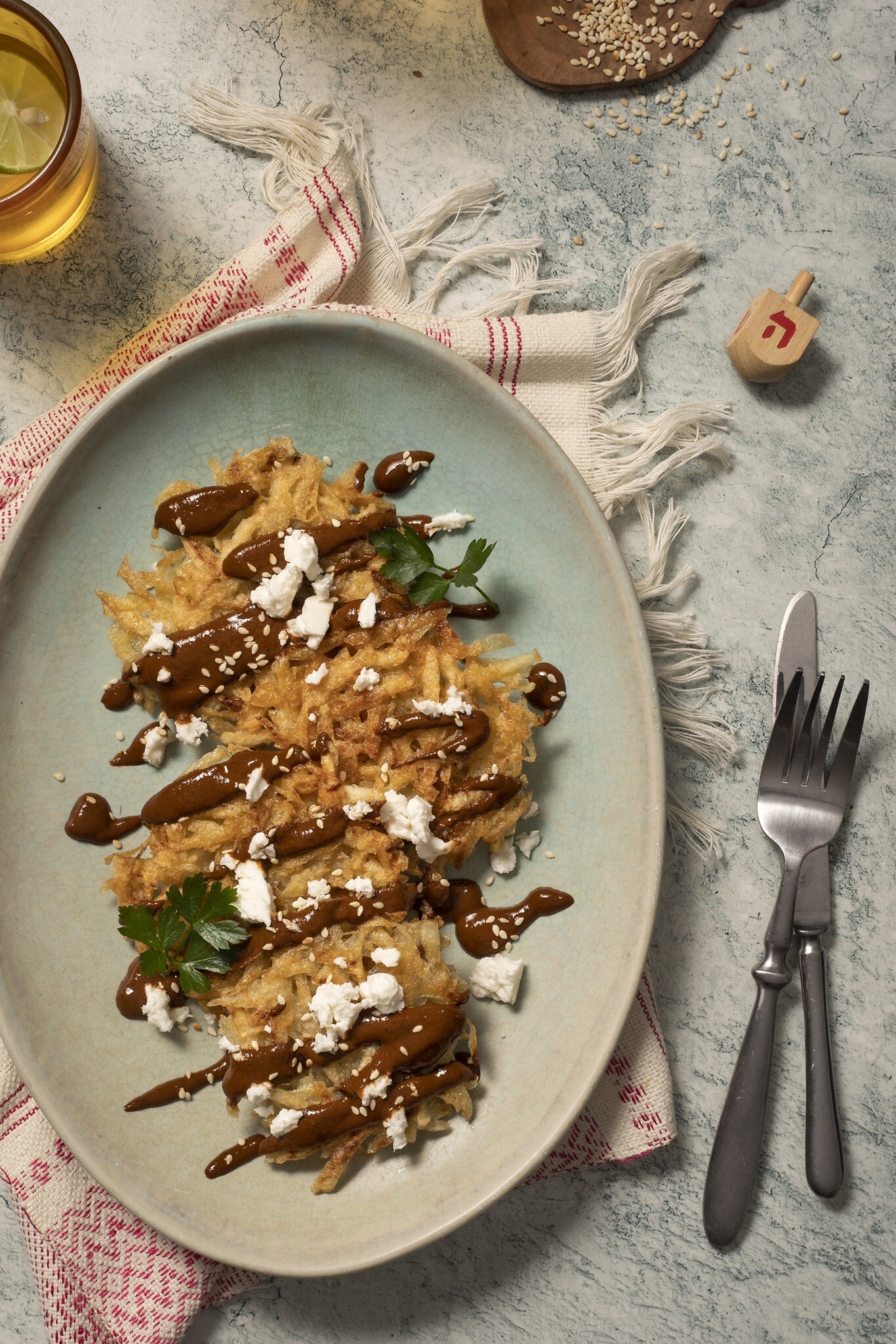
Latkes con Mole
From “Sabor Judío: The Jewish Mexican Cookbook” by Ilan Stavans and Margaret E. Boyle. Reprinted with permission from The University of North Carolina Press.
This delicious recipe of fried potato latkes, served with Mexican mole, was created by Alison Sparks, wife of Ilan Stavans. Years ago, when they visited Ilan’s mother, Ofelia, in Mexico, Alison learned to prepare her wonderful mole sauce.
At the family’s next Hanukkah celebration, when she served homemade latkes, she surprised her family by adding Ofelia’s mole as an accompaniment, along with the traditional applesauce and sour cream. A classic was born.
Serves 8
Preparation time: 1½ hours
For the latkes:
4 pounds russet potatoes, scrubbed and peeled
1 medium yellow onion, peeled
½ cup potato starch
1 tablespoon kosher salt
4 large eggs, lightly beaten
Vegetable oil, for frying
For the mole:
2 tablespoons vegetable oil
1 small white onion, finely chopped 1 (8-ounce) jar prepared mole
3 cups chicken or vegetable broth
2 ounces bittersweet chocolate, roughly chopped
For serving:
Crumbled queso fresco
Make the latkes:
Line 2 large baking sheets with several layers of paper towels and set aside.
Grate the potatoes and onion on the large holes of a box grater. (Or cut them into quarters and shred using the shredding disc of a food processor.) Working in batches, wrap the shredded potatoes and onion in a clean tea towel and squeeze out as much water as possible.
Add the shredded potatoes and onion to a large bowl along with the potato starch, salt, and eggs. Mix until fully incorporated.
In a large frying pan, heat ¼ inch of oil over medium-high heat until shimmering but not smoking. Working in batches of 4–5, drop ¼ cup of batter into the pan and press gently with a spatula to flatten slightly. Cook, flipping once, until browned on both sides and cooked through, 6–8 minutes per batch, then transfer to the prepared baking sheets to drain.
Continue with the remaining latke mixture, adding more oil as necessary and adjusting the heat up or down if the latkes are browning too quickly or not quickly enough. The latkes can be kept warm in the oven while preparing the mole.
Make the mole:
Heat the oil in a large saucepan set over medium heat. Add the onion and cook, stirring often, until softened, 6–8 minutes.
Add a heaping tablespoon of the prepared mole, stirring to combine it with the onion, then add 1 cup of the broth. Bring to a boil, then lower the heat to medium-low and cook, stirring often, until the mixture reaches the consistency of thick soup.
Continue adding the prepared mole and the remaining broth, a little at a time, until both are completely used up. Continue cooking the mixture, stirring often, until it turns into a thick, rich sauce. Add the chocolate, stirring to melt, then remove from the heat.
Serve the latkes hot, topped with mole and crumbled queso fresco.








The Times of Israel Community.