

 From the Liveblog of
Thursday, August 6, 2026
From the Liveblog of
Thursday, August 6, 2026
70% of Israelis fear for integrity of 2026 election, minority upbeat on democracy — poll
 Add ToI as a Preferred Source on Google
Sam Sokol is a former political correspondent at The Times of Israel. He was previously a reporter for the Jerusalem Post, Jewish Telegraphic Agency and Haaretz. He is the author of "Putin’s Hybrid War and the Jews"
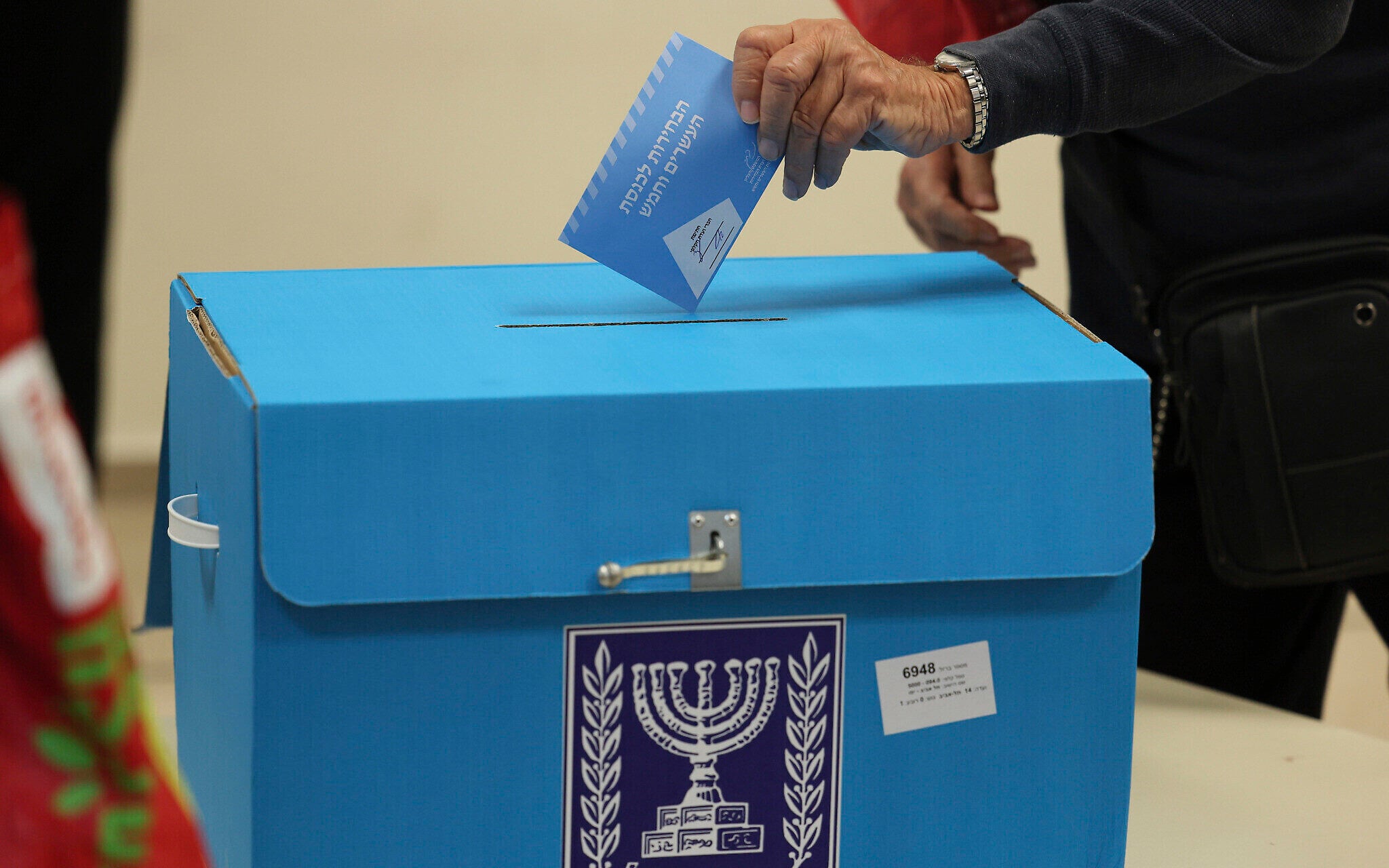
Nearly three-quarters of Jewish Israelis are concerned over possible danger to the integrity of the 2026 election, while only 43 percent are optimistic about the future of democratic rule, a new poll has found.
According to the Israel Democracy Institute’s July 2026 Israeli Voice Index, 70% of Israelis (72% of Jews and 58.5% of Arabs) “think that there is danger to the integrity of Israel’s elections” which are slated to be held on October 27.
Among respondents, 90% of Jews on the political left, 76% in the center and 66% on the right expressed concern about the issue.
The poll also found that a minority — 40% of Israelis — are optimistic about the future of Israeli democracy (up from 37% last month), with 43% of Jews and only 24.5% of Arabs expressing optimism about the future of democratic rule.
The institute’s pollsters asked about election integrity following last month’s speech by President Isaac Herzog in which he warned of “violence rearing its head” and pleaded with Israelis not to “cross red lines” during campaign season, noting that past periods of Jewish sovereignty were destroyed by internal hatred.
The president warned of “internal and external” threats to the integrity of elections, and urged law enforcement to act against all such threats.
Some experts have warned that attacks against the Central Elections Committee by Prime Minister Benjamin Netanyahu’s ruling Likud party could potentially presage a challenge to the results of the election. The coalition has opposed the placing of polling stations in old age homes, whose residents are generally more liberal than the general population.
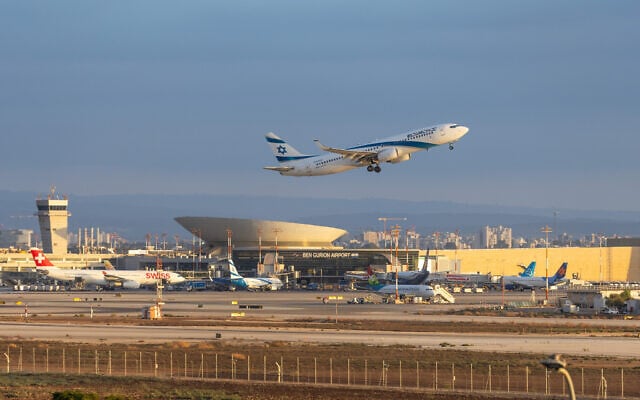
Meanwhile, senior officials in Likud Transportation Minister Miri Regev’s office have been reported to discuss ways to limit the number of flights coming into Ben Gurion Airport in the days leading up to election, in order to thwart the arrival of voters for parties opposed to Netanyahu. Israelis living overseas have told the Ynet news site that they have had trouble confirming their voter eligibility online.
Israelis abroad cannot cast absentee ballots and must come home to vote. There have been indications of a mobilization of opposition supporters living abroad to travel to Israel to vote.
The Knesset Finance Committee cut the Central Elections Committee’s budget by NIS 50 million ($16.9 million) in February, despite significant concerns that both foreign interference and the emergence of generative artificial intelligence could adversely affect the election.








The Times of Israel Community.