

 From the Liveblog of
Monday, June 22, 2026
From the Liveblog of
Monday, June 22, 2026
Report: New US-Iran Lebanon mechanism to include Iran, Qatar, Pakistan, exclude Israel and limit Israeli response to threats; PM: IDF faces ‘no restrictions’
 Add ToI as a Preferred Source on Google
Nava Freiberg is The Times of Israel's deputy diplomatic correspondent.
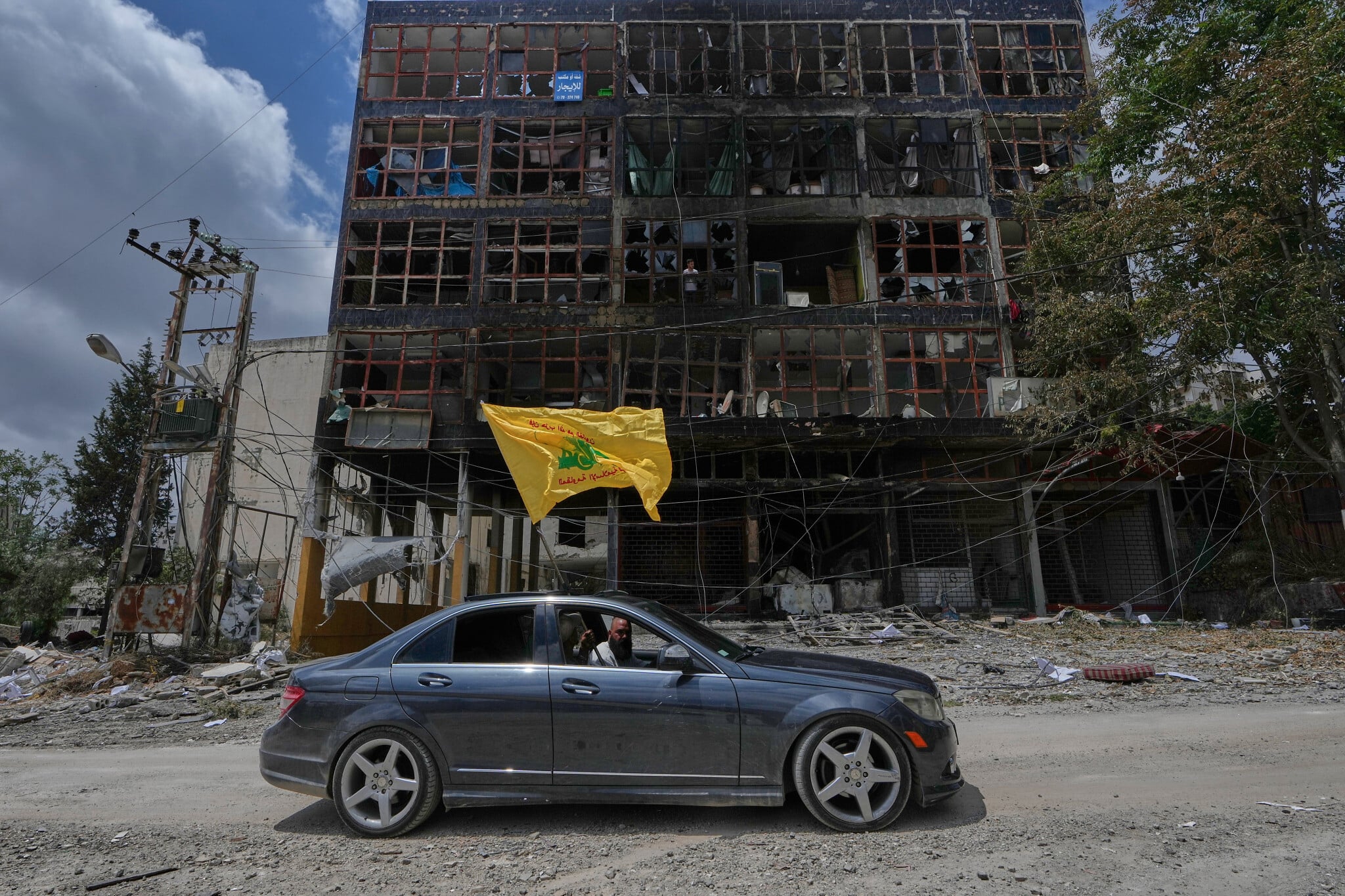
A new deconfliction mechanism for Lebanon established as part of the weekend negotiations between the US and Iran in Switzerland would exclude Israel and limit Israeli military action to only responding to “imminent threats,” rather than to the broader category of “emerging threats,” Channel 12 reports, without citing sources.
US Vice President JD Vance said earlier today that a new “deconfliction mechanism” had been established during yesterday’s negotiations in Burgenstock.
He offered limited details on how it would operate but indicated that Hezbollah would be part of the conversation between Israel, Lebanon and “other partners in the region.”
Vance did not address the fact that a similar mechanism was created under the November 2024 Lebanon ceasefire brokered by the Biden administration.
According to Channel 12, the new arrangement would mark a significant departure from that earlier framework. While the original monitoring mechanism included representatives from Israel, Lebanon, the United States, the United Nations and France, the network claims that the new oversight body includes the US, Iran, Lebanon, Qatar and Pakistan — but not Israel.
That would appear to contradict Vance’s own public statements that Israel would be part of the conversation, and the IDF would almost certainly have to be looped in regardless.
Additionally, while the 2024 mechanism effectively gave Israel broad freedom to act in Lebanon against military threats, including what were defined as “emerging threats,” the new framework reportedly only allows for responses to “imminent threats.”
A US official familiar with the US-Iran talks does not deny the Channel 12 report when asked by The Times of Israel to confirm it, but says no further details can be shared at this time.
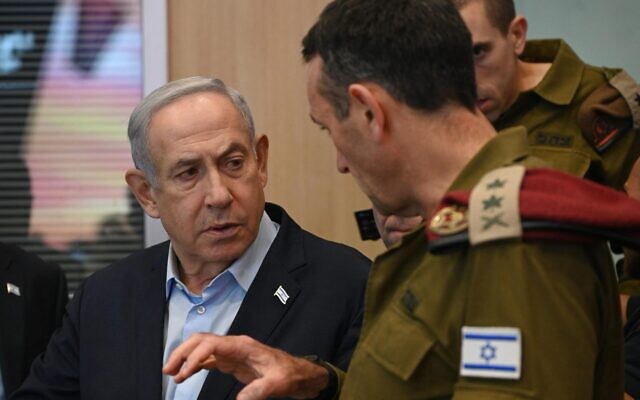
Shortly after the report is aired, Prime Minister Benjamin Netanyahu issues a Hebrew-language statement stressing that Israeli troops in southern Lebanon have “full freedom of action” against “direct or emerging threats” against them.
“The directive that the defense minister and I have given the IDF is clear and has not changed: Our forces in southern Lebanon have full freedom of action to thwart any direct or emerging threat against them or against residents of northern Israel. The IDF faces no restrictions in this regard,” Netanyahu says.
“I remain firmly committed to maintaining the security zone in southern Lebanon for as long as necessary in order to protect the residents of the north and all citizens of Israel,” he reiterates.






The Times of Israel Community.