

Unprecedented movie filmed covertly by Israeli, Iranian filmmakers makes Venice debut
Co-directed by Iranian actress Zar Amir and Israeli-born ‘Golda’ filmmaker Guy Nattiv, ‘Tatami’ tells story of Iranian judo star who rejects regime’s orders to avoid facing Israeli
 Add ToI as a Preferred Source on Google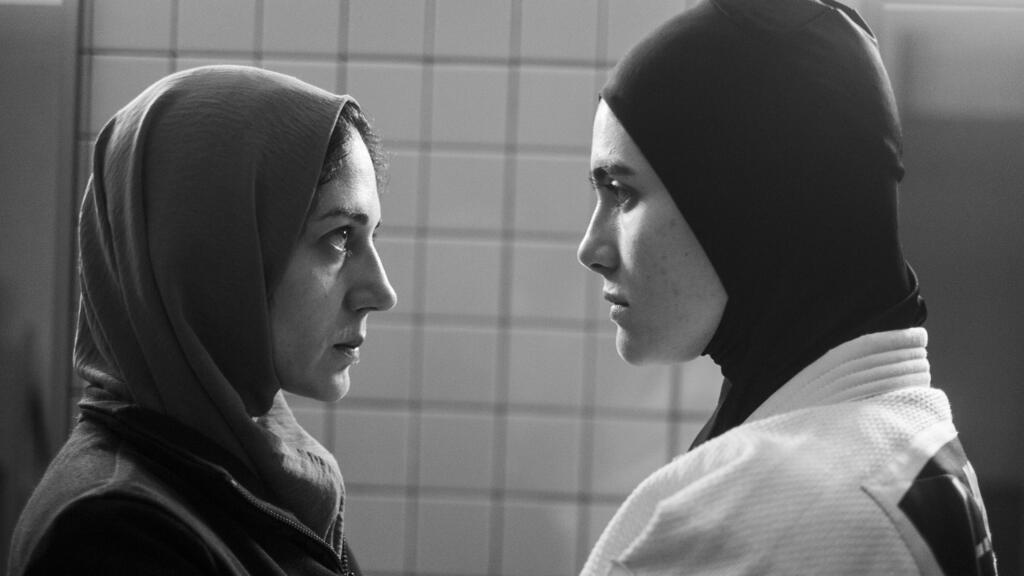
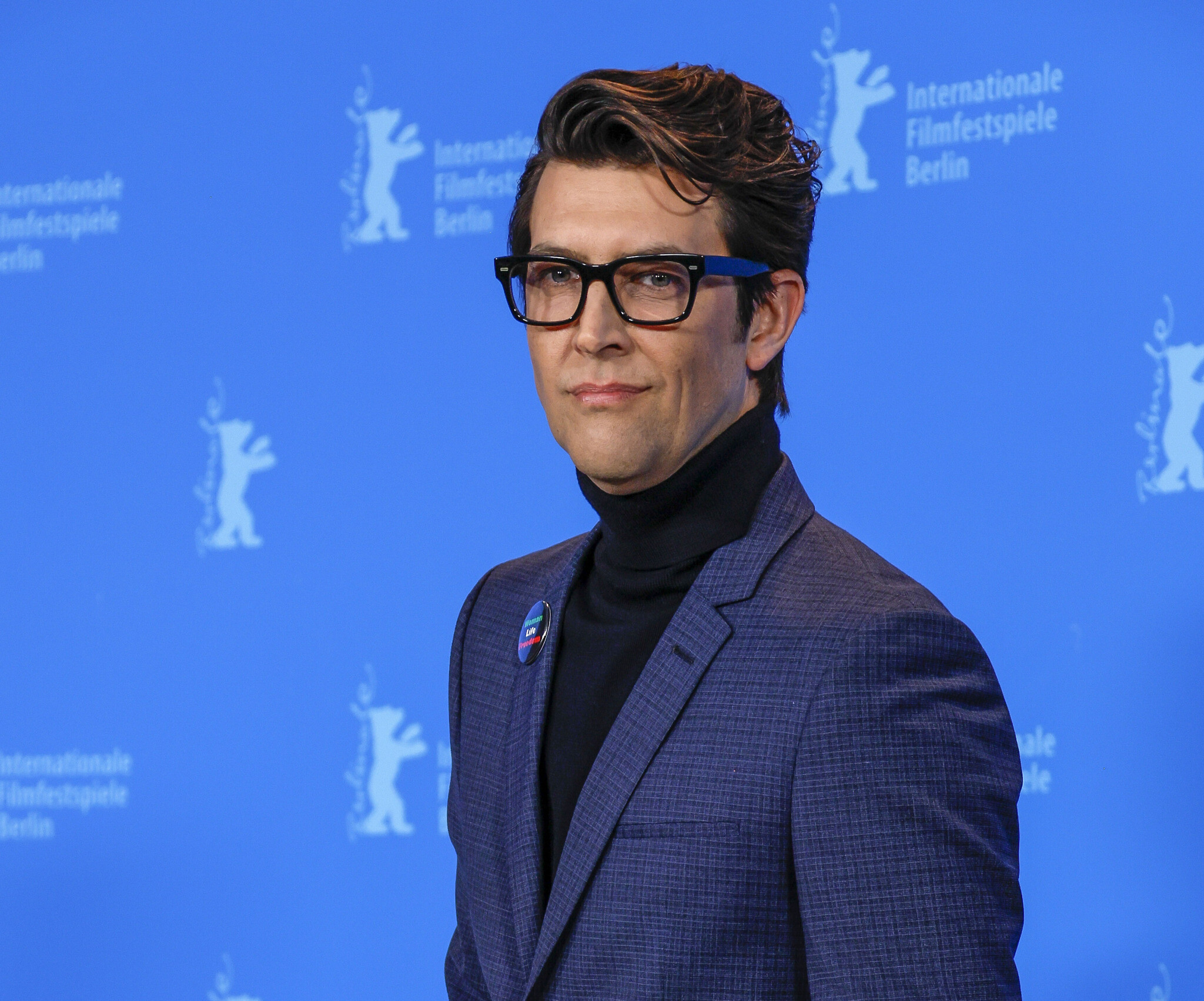
The Venice Film Festival hosted on Sunday an unprecedented production co-directed by Israeli and Iranian filmmakers, who said they filmed the movie surreptitiously in Georgia and took precautions to prevent potential interference by the Iranian regime.
“Tatami”, shown in the “Orizzonti” (“Horizons”) section of the Venice Film Festival, recounts the story of an Iranian judo star who rejects her government’s rules about never facing an Israeli athlete in an international competition.
The film was jointly directed by award-winning Iranian actress Zar Amir, who also stars as the judoka’s trainer, and Israel’s Guy Nattiv, known for the recent biopic of Israeli ex-prime minister Golda Meir (“Golda”).
Amir and Nattiv told Reuters they worked “undercover,” filming in Georgia — where both Israelis and Iranians are allowed to visit — while staying at separate hotels and speaking in English.
“I knew there are many Iranians there, so we were trying to keep it calm and secret,” said Amir. “What I have learnt about the Iranian government is that as long as you are afraid they can arrest you, they can kill you, they can make trouble around you. But as long as you are not afraid … it is going to be fine,” she added.
“We were undercover. We knew it was a dangerous thing,” said Nattiv.
Shot in black and white, “Tatami” unfolds over the course of a single day of competition for an Iranian judo champion, played by US actress Arienne Mandi, who is instructed to fake an injury to avoid a potential match against an Israeli judoka.
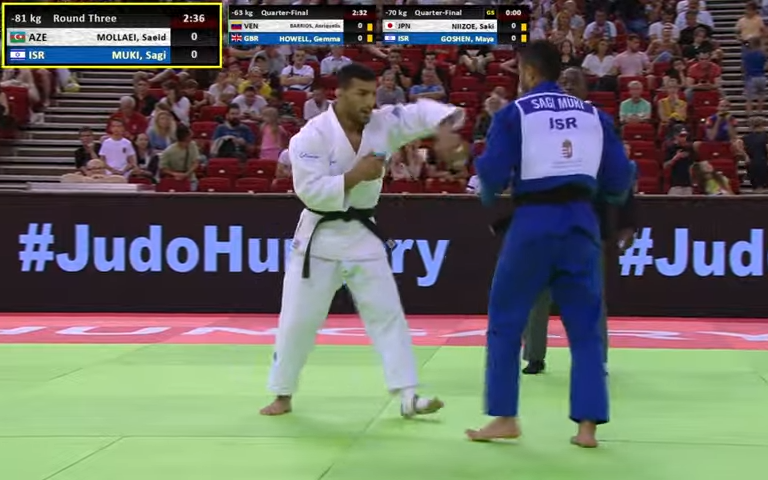
The film was inspired by a real-life incident four years ago when Iranian judoka Saeid Mollaei was ordered to lose bouts to avoid competing against Israeli judo champion Sagi Muki at the 2019 World Championships in Tokyo. After openly challenging his government, Mollaei fled to Europe and was granted refugee status in Germany. He and Muki became close friends and finally faced each other as opponents — with Mollaei competing for Azerbaijan — last year at the Budapest Grand Slam. Mollaei won by immobilization in the third round of the tournament, and the two men hugged after the fight.
Iran was given a four-year ban, backdated to September 2019, by the International Judo Federation (IJF) for its interference in Mollaei’s competitive journey and demands that its athletes not face Israeli opponents.
Iran does not recognize Israel and Iranian passports remind holders in bold red they are “not entitled to travel to occupied Palestine.”
“At school, I was taught that Israel does not exist,” said Amir (who recently dropped her other surname, Ebrahimi). “We are not allowed to work together, to meet, to make friends or compete with this imaginary enemy,” she told AFP.
Amir, who now lives in exile in France, won best actress at the Cannes Film Festival last year for her part in “Holy Spider” as a journalist tracking down a serial killer of prostitutes in the Iranian holy city of Mashhad.
“In Iran, filmmakers can’t really speak the truth. They can work on these subjects but it will only ever be half-truths,” Amir added.
Iran’s crackdown on filmmakers was underlined again last month when director Saeed Roustaee was reportedly given a six-month suspended prison sentence for screening his film “Leila’s Brothers” in Cannes last year “without authorization.”
The sentence was condemned around the world, including by Martin Scorsese.
A parallel between protests in Iran, Israel
Nattiv said protests in Israel against the government’s plans to kneecap the judiciary’s powers were similar to demonstrations in Iran against oppressive morality laws following the death of a Kurdish woman arrested for not wearing a headscarf last year.
“Miraculously, you can see that in Israel and Iran the same kind of revolution is going on,” he told AFP.

“In Israel, it’s against what Benjamin Netanyahu is doing against democracy. Millions of people are demonstrating, and women’s rights are also being bashed again. The government is so extreme,” added Nattiv
“We are kind of similar countries, going through the same process in a way,” adds Nattiv, who also directed the recently released “Golda,” about former prime minister Golda Meir.
Nattiv revealed to Reuters that he helped Amir pay a secret visit to Israel at some point. “I loved it. We could be from the same nation, the same family, we are the same,” said Amir.
She added that she was “full of hope” about the protest movement that began a year ago in Iran following the death of Mahsa Amini after she was arrested for breaking the country’s strict dress code.
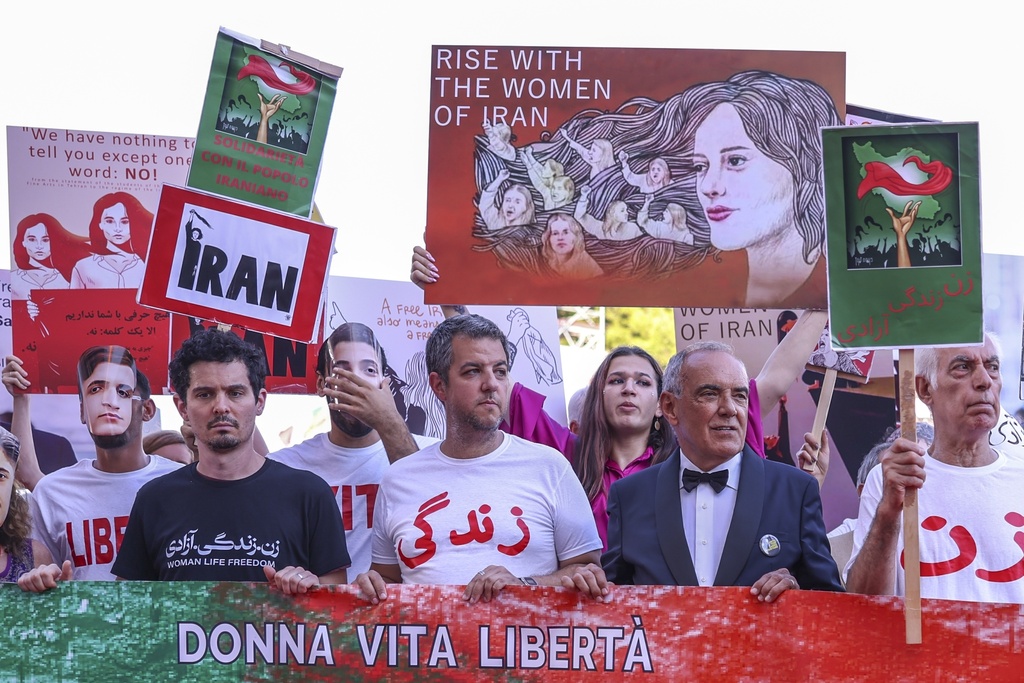
“I think women are in the process of changing their situation, and there is no going backwards,” she said. “I am touched by their bravery, especially that of the young generation.”
“And the men are supporting the women — that is new,” she added.
“Tatami”, which is due for release next year, has already been a hot topic in Israel.
“People — I’m not talking about the government — the people see it as a kind of a revolutionary thing to have this collaboration,” said Nattiv. “Hopefully it will open the way for more collaborations between Israelis and Iranians.”








The Times of Israel Community.