

Nobel prize of German chemist who defied Nazis on sale
Heinrich Wieland, 1927 laureate who studied bile and cholesterol, tried to protect Jewish students at the University of Munich
 Add ToI as a Preferred Source on Google
Stuart Winer is a breaking news editor at The Times of Israel.
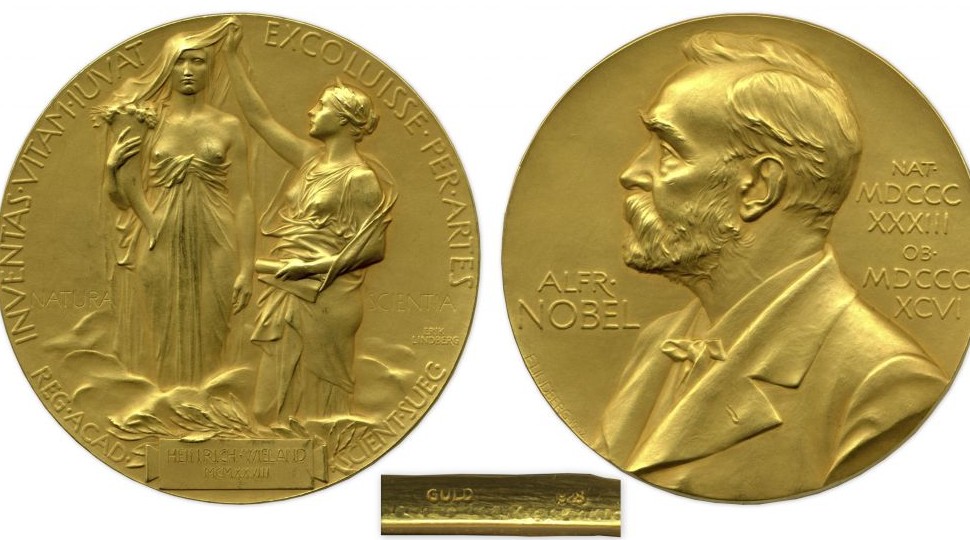
A Nobel prize for chemistry, awarded in 1927 to a scientist who would go on to defy Nazi discrimination against Jewish students, has gone on sale, with a starting price of $325,000.
German scientist Heinrich Otto Wieland was given the chemistry prize for his work “for his investigations of the constitution of the bile acids and related substances,” according to Los Angeles auction house Nate D. Sanders, which is organizing the bid.
According to the auctioneers, it is one of only eight Nobel prizes that have ever gone under the hammer, and the only one that was awarded for chemistry. Bidding on the 23-karat gold medallion, which can also be done online, will close on Thursday.
In addition to his prize-winning work, Wieland revealed the chemical structure of cholesterol, a key step towards treating heart disease.
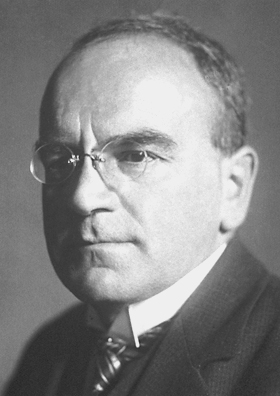
Wieland is known for opposing the Nazi party’s racism and strove to protect Jewish students who were discriminated against by the 1935 Nuremberg laws. Students who were expelled from the University of Munich where he taught were able to stay on under Weiland’s auspices as “Gäste des Geheimrats” — guests of the privy councillor.
Two of Wieland’s students, Hans Conrad Leipelt and Marie Luise Schultz-Jahn, helped distribute anonymous leaflets of the anti-Nazi White Rose resistance group that engaged in non-violent protest by calling for opposition to the Third Reich.
Members of the group were eventually arrested and beheaded by the Gestapo. Liepelt and Jahn collected money for the widow and children of Kurt Huber, a professor who was a prominent member of the White Rose group. They were both betrayed to the Gestapo and put on trial. Wieland testified on behalf of Liepelt but the student was decapitated on January 29, 1945. Jahn was sentenced to 12 years in prison but after being freed with the end of the war went on to study medicine. She died in 2010.
The gold disc bears the image of Alfred Nobel as well as the Latin declaration, “Inventas vitam juvat excoluisse per artes” — translated as “And they who bettered life on earth by their newly found mastery.”
Wieland’s name and the year 1928 in Roman numerals are also engraved on the medal, which comes with a letter of authenticity from his grandson.










The Times of Israel Community.