

PM beefs up legal team amid latest police indictment recommendation
Attorneys Tal Shapira and Ariel Kafri from Shapira-Bar-Zik Advocates expected to play senior roles in defending Netanyahu
 Add ToI as a Preferred Source on Google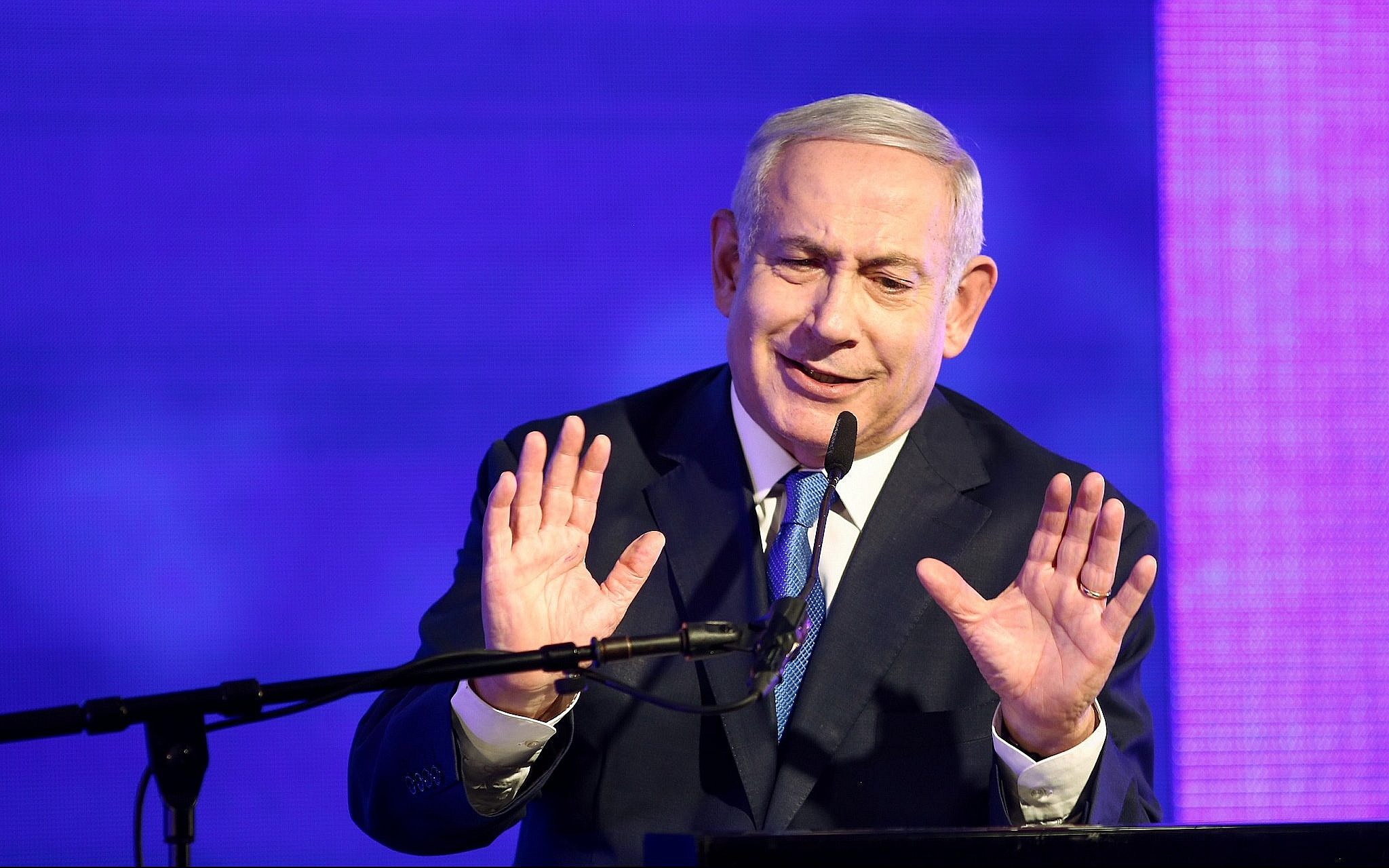
Prime Minister Benjamin Netanyahu has expanded his defense team a day after police recommended that he be indicted for taking bribes in the Bezeq-Walla corruption probe, known as Case 4000.
Netanyahu hired attorneys Tal Shapira and Ariel Kafri from Shapira-Bar-Zik Advocates, who are expected to play senior roles in defending him, Hebrew media reports said.
Last week, Hadashot TV news reported that going forward, Netanyahu will be represented by attorney Navot Tel-Zur, an experienced defender of public figures in graft probes, including former prime ministers Ehud Olmert and Ehud Barak and Interior Minister Aryeh Deri.
Former Tel Aviv District Court judge Oded Mudrick is also joining the team as an adviser. Mudrick is a longtime colleague of Attorney General Avichai Mandelblit, who will be making the final decision on whether to indict Netanyahu, having served with him in the past as a judge in the Israel Defense Force’s internal justice system.

Amit Hadad, who has been leading Netanyahu’s defense team, will remain on board in a reduced capacity.
The appointments come over a month after the death of Yaakov Weinroth, who was among Israel’s most prominent lawyers and was one of those representing Netanyahu in the corruption probes.
Investigators said Sunday they believed there was enough evidence to bring Netanyahu to trial on charges of accepting bribes, fraud and breach of trust, and fraudulently accepting benefits. It is the third case in which police have recommended bribery charges against the prime minister. They also recommended that his wife, Sara, stand trial in the case.
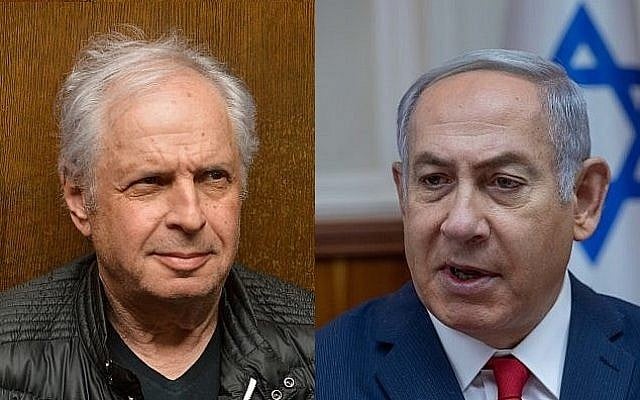
Investigators said that Netanyahu advanced regulatory decisions benefiting Shaul Elovitch, the controlling shareholder in Bezeq, the country’s largest telecommunications firm — despite opposition from the Communication Ministry’s career officials — in exchange for positive coverage from Elovitch’s Walla news site. At the time when a merger of Bezeq with the Yes satellite operator was approved in 2015 — a deal at the heart of the case, said to have benefited Elovitch to the tune of hundreds of millions of shekels — the prime minister was also serving as acting communications minister.
Earlier this year, police recommended that Netanyahu be charged with bribery, fraud, and breach of trust in two other corruption cases, designated 1000 and 2000. The following month, Netanyahu said that law enforcement officials were being pressured to pursue criminal investigations against him. He has since railed against Alsheich, accusing the police chief of leaking information to the press and of conducting a “witch hunt” against him and his family.
In Case 1000, the so-called “gifts scandal,” Netanyahu is suspected of “systematically” demanding benefits worth about NIS 1 million ($282,000) from billionaire benefactors, including Hollywood producer Arnon Milchan and Australian resort owner James Packer, in exchange for favors.
Case 2000 involves a suspected illicit quid-pro-quo deal between Netanyahu and Yedioth Ahronoth newspaper publisher Arnon Mozes that would have seen the prime minister work to weaken a rival daily, the Sheldon Adelson-backed Israel Hayom, in return for more favorable press coverage from Yedioth.
Netanyahu has denied wrongdoing in all of the cases, insisting the gifts were given by friends and were not bribes, and that he never intended to act on his conversations with Mozes.
The recommendations in Case 4000 now go to the Attorney General’s Office, where they will first be reviewed by the state prosecutor before going to Attorney General Avichai Mandelblit.
Mandelblit, who will make the final decision whether to indict the prime minister, intends to examine all three cases at the same time, which will be possible only after he receives the state attorney’s recommendations based on the final police reports.
That process makes late 2019 the likely timing for any final word on whether Netanyahu will face trial. The next Knesset elections are currently slated for November 2019, but may very well be held earlier.
Coalition partners have previously said that they would not leave the government unless a full indictment was filed against the prime minister, but recent crises may have shifted allegiances in the coalition after it was reduced last month to a paper-thin majority of just 61-59 in the 120-seat Knesset.










The Times of Israel Community.