

Poll: 63% of public fears for Israeli democracy as government votes to fire Shin Bet head
Survey finds 37% of government supporters worried, as separate poll shows over twice as many people have faith in the Supreme Court, attorney general, Shin Bet than in the government
 Add ToI as a Preferred Source on Google
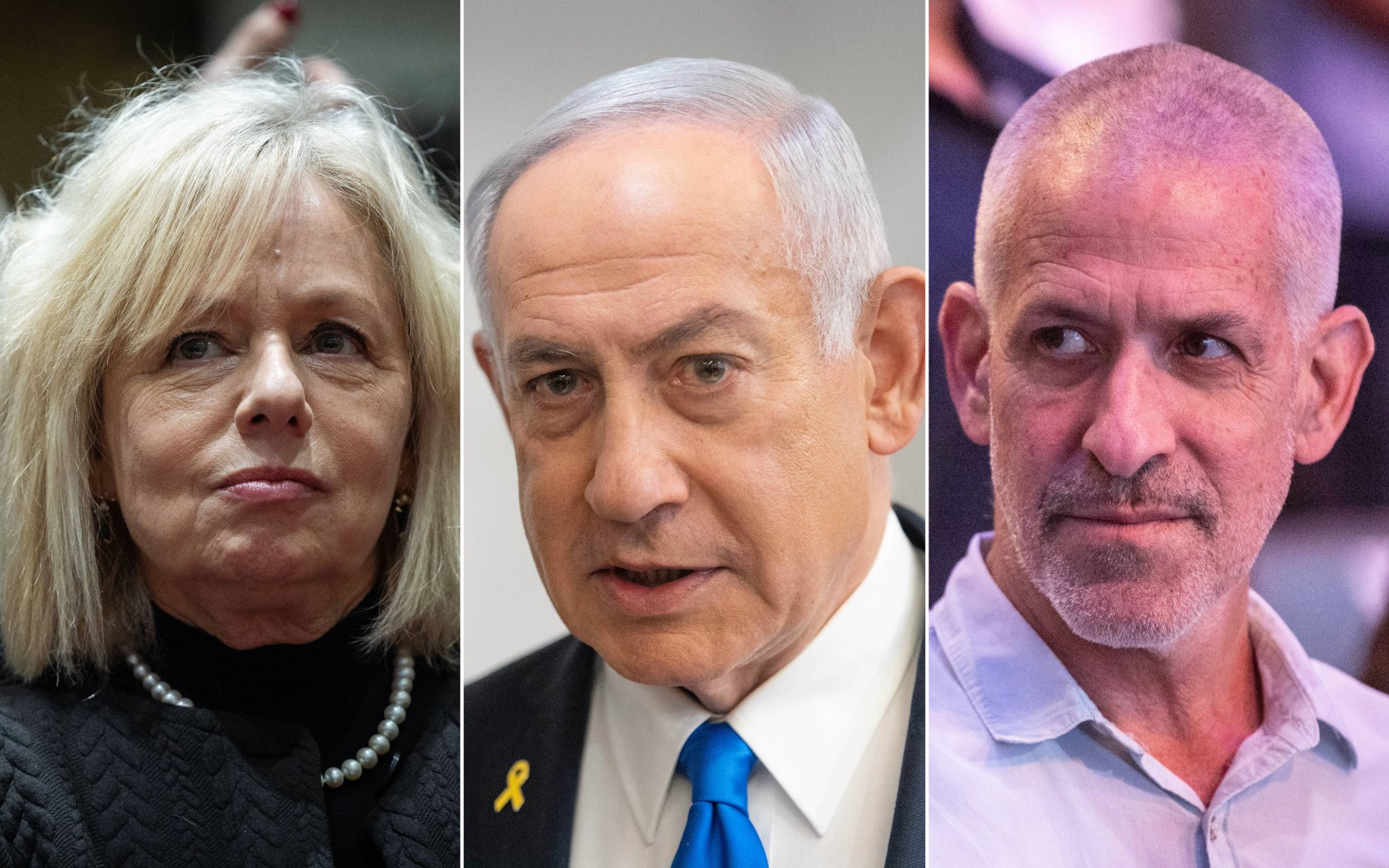
Nearly two-thirds of Israelis fear for the country’s democracy, according to a new poll published Friday, a day after Prime Minister Benjamin Netanyahu’s government voted to fire Shin Bet chief Ronen Bar.
Asked if they were afraid for the future of Israeli democracy, 63 percent of respondents to the Channel 12 poll said yes, 33% said no and 4% said they didn’t know.
Among people who voted for parties in government, the figures were 37%, 60% and 3% respectively.
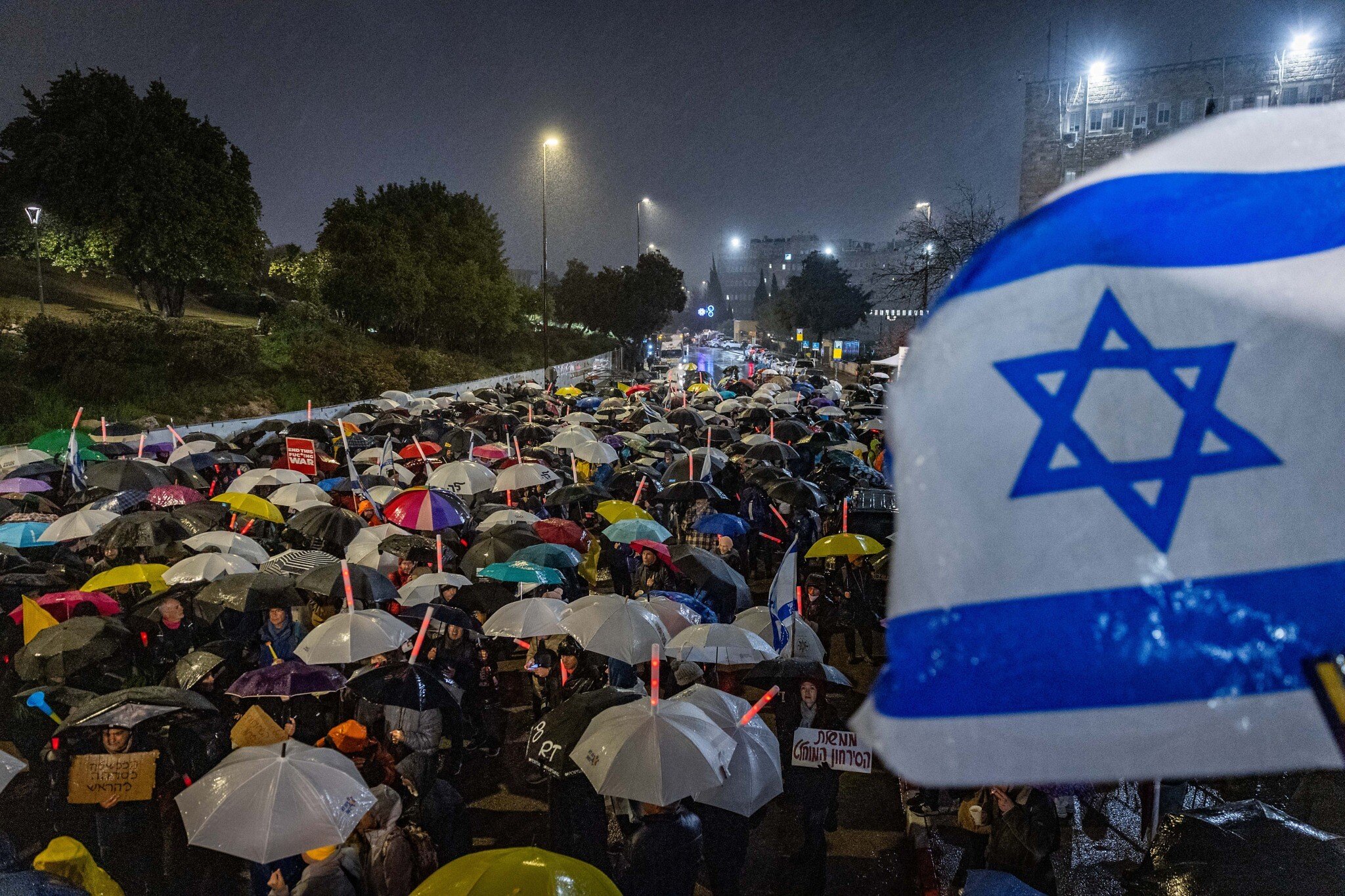
Bar’s planned ouster has sparked mass protests. Attorney General Gali Baharav-Miara — whom the government also seeks to fire — advised the government against it, including at the Thursday night cabinet meeting where ministers voted unanimously to fire Bar, and warned that the move could face legal challenges given the ongoing Shin Bet probe of alleged ties between Qatar and top aides to Netanyahu.
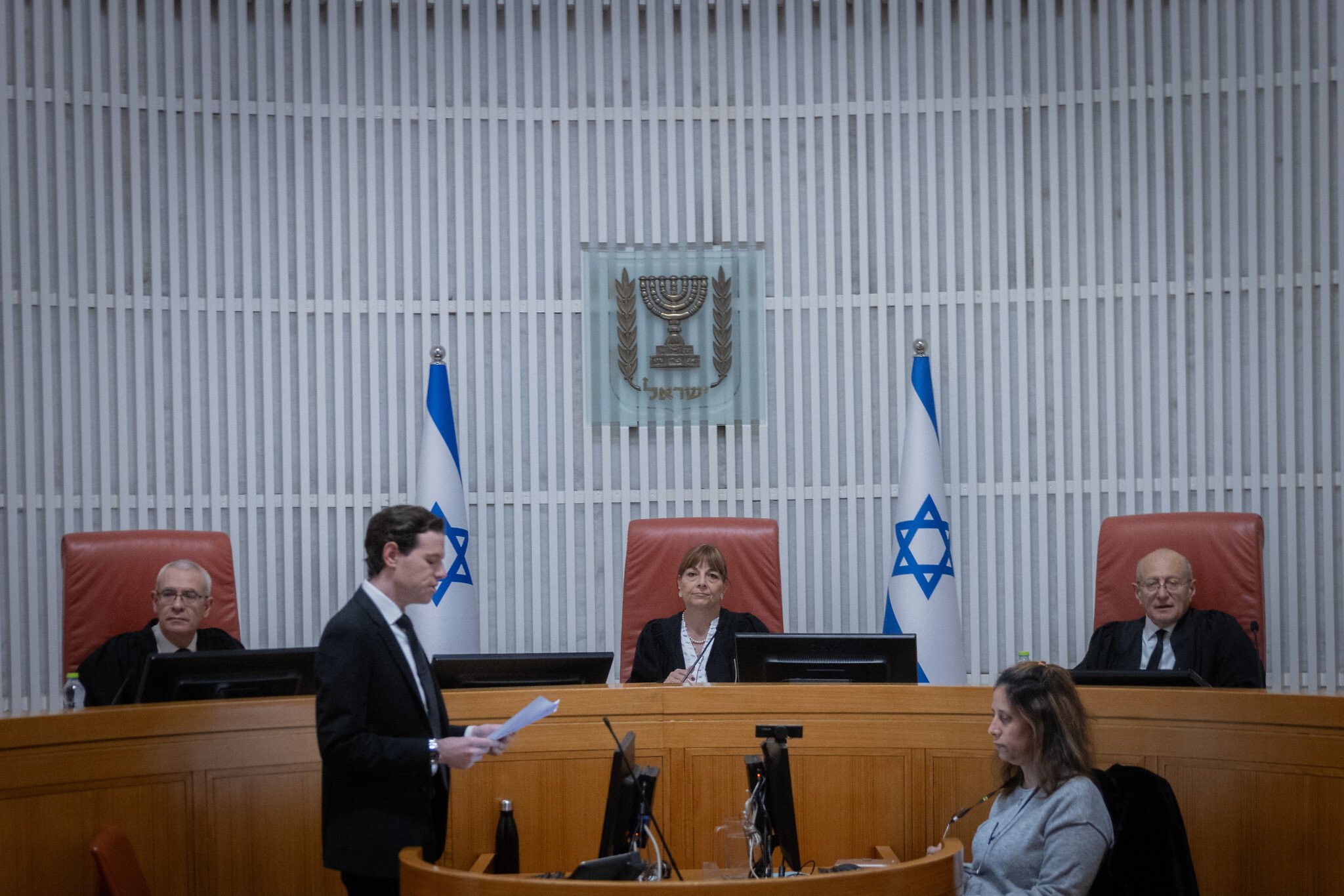
On Friday, the High Court issued a temporary injunction against Bar’s firing and Baharav-Miara informed Netanyahu that he is therefore prohibited from appointing a new head of the Shin Bet, or even conducting interviews for the job.
Netanyahu responded to the injunction and to Baharav-Miara by posting on X that “The State of Israel is a country of law and according to the law, the Israeli government decides who will be the head of the Shin Bet.” Other government ministers reacted with anger to the court order and several explicitly threatened to defy the court, triggering threats of strikes by unions, universities and much of the private sector.
It was unclear whether the Channel 12 poll was conducted before or after the court injunction. The survey was conducted by the iPanel and Midgam polling firms, and the network did not provide a sample size or margin of error.
Another recent poll, conducted by Reichman University’s Institute for Liberty and Responsibility, indicated that 44% of the public had faith in the Supreme Court and 43% had faith in the attorney general, as opposed to just 17% who had faith in the government.
The Institute also said 45% of respondents expressed trust in the Shin Bet, which is usually not asked about in the monthly “public trust” survey.
March was the second straight month that the Institute’s poll showed public trust in the Supreme Court and the attorney general to be more than twice as high as that in the government.
In February, 43% of respondents expressed trust in the Supreme Court, and 41% in the attorney general, as opposed to just 18% in the government.
Trust in the court has risen since January, when it saw 37% trust as opposed to the government’s 21%, while the attorney general scored 39%.
The March poll found that the institution with the highest amount of public trust is the IDF at 65%. President Isaac Herzog got 42% support, the state prosecutor 32%, the police 27% and the Knesset stood at 11%.
It was unclear when exactly the Reichman University poll was conducted. It was carried out by the iPanel polling firm among 1,507 respondents — 1,257 of them Jewish and 250 of them Arab — with a margin of error of 2.5%.
The poll results came as the government has doubled down on efforts to weaken the judiciary through its contentious overhaul.
Netanyahu, who is on trial for corruption, has claimed the court system is biased against him.
The longtime premier has also rejected a state commission of inquiry into the Hamas onslaught of October 7, 2023. Such commissions — Israel’s highest investigative authority — are headed by a retired Supreme Court justice and appointed by the sitting chief justice.
The government has boycotted Chief Justice Isaac Amit, a liberal judge who acceded to the role in January over the objections of Justice Minister Yariv Levin. Netanyahu has also rejected a compromise offer by Herzog that would see Amit select the commission of inquiry in conjunction with the conservative Deputy Chief Justice Noam Sohlberg.

Critics of the government have accused Netanyahu of seeking to offload blame for the shock assault onto Israel’s security chiefs, including Bar. Former heads of the Shin Bet have also said the premier could endanger Israeli democracy by replacing Bar with a loyalist.
On Sunday, Netanyahu announced he would seek Bar’s ouster, claiming mistrust in the Shin Bet chief since October 7, 2023, when thousands of Hamas-led terrorists stormed southern Israel to kill some 1,200 people and take 251 hostages, sparking the war in Gaza.
The premier had previously removed Bar from the team negotiating a ceasefire and hostage release deal with Hamas.
Bar had said he would stay on as Shin Bet chief until the remaining 59 hostages were returned and a state commission of inquiry was established.
On Thursday, Bar chose not to attend the government meeting on his ouster. He instead sent a letter saying his firing was “entirely tainted by conflicts of interest” and an inappropriate bid to thwart Shin Bet investigations, additionally suggesting that the premier may have deliberately derailed hostage-ceasefire talks.







The Times of Israel Community.