

Report: Despite war, southern Israelis most fear internal violence, political situation
New index aims to create a baseline for measuring resilience and symptoms of stress among residents of Hamas-invaded Western Negev towns, cities and Bedouin settlements
 Add ToI as a Preferred Source on Google
Sue Surkes is The Times of Israel's environment reporter
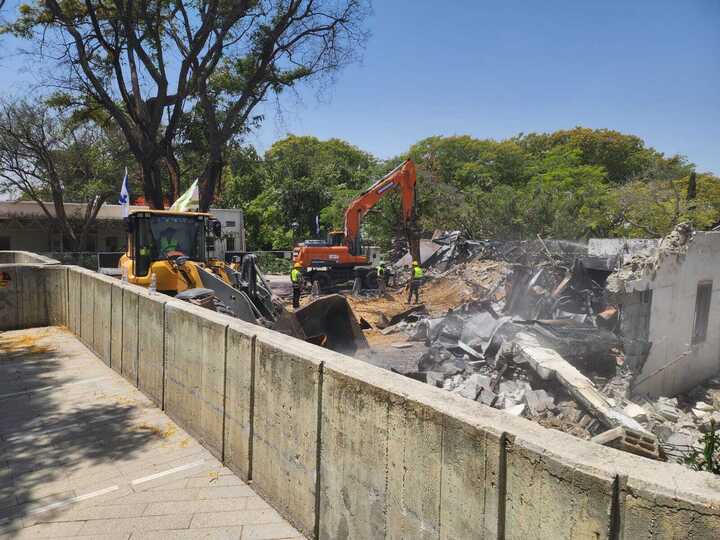
Despite the ongoing war in Gaza and Lebanon, residents of the Western Negev in southern Israel — the region invaded by Hamas on October 7, 2023 — perceive violence in Israeli society and the domestic political situation as the country’s greatest threats.
These findings were published in the first of what will become a series of quarterly Resilience Index studies for the region. The initial report was released earlier this month to mark a year since the Hamas massacre of some 1,200 and abduction of 251 to Gaza.
The new study, released in English on Sunday, establishes a baseline for further quarterly reports on resilience in this war-torn region. It was led by Prof. Bruria Adini, head of Tel Aviv University’s Emergency Management and Disaster Medicine Department, who has studied Israel’s resilience for many years.
Adini worked with resilience experts from Tel Aviv University and Tel Hai Academic College, and representatives of two organizations working to improve life in the Western Negev, INDICATE Inc., and New Land Now.
She told the Times of Israel that the indices aim to measure the success of civil society groups and government bodies, such as the Tekuma Authority, established by the government after October 7, in rehabilitating the area.
The research combined data garnered from a survey of 503 people from kibbutzim, moshavim, residential communities, and Bedouin towns and villages between August 28 and September 8 with an analysis of discourse on leading social media platforms from July through September.
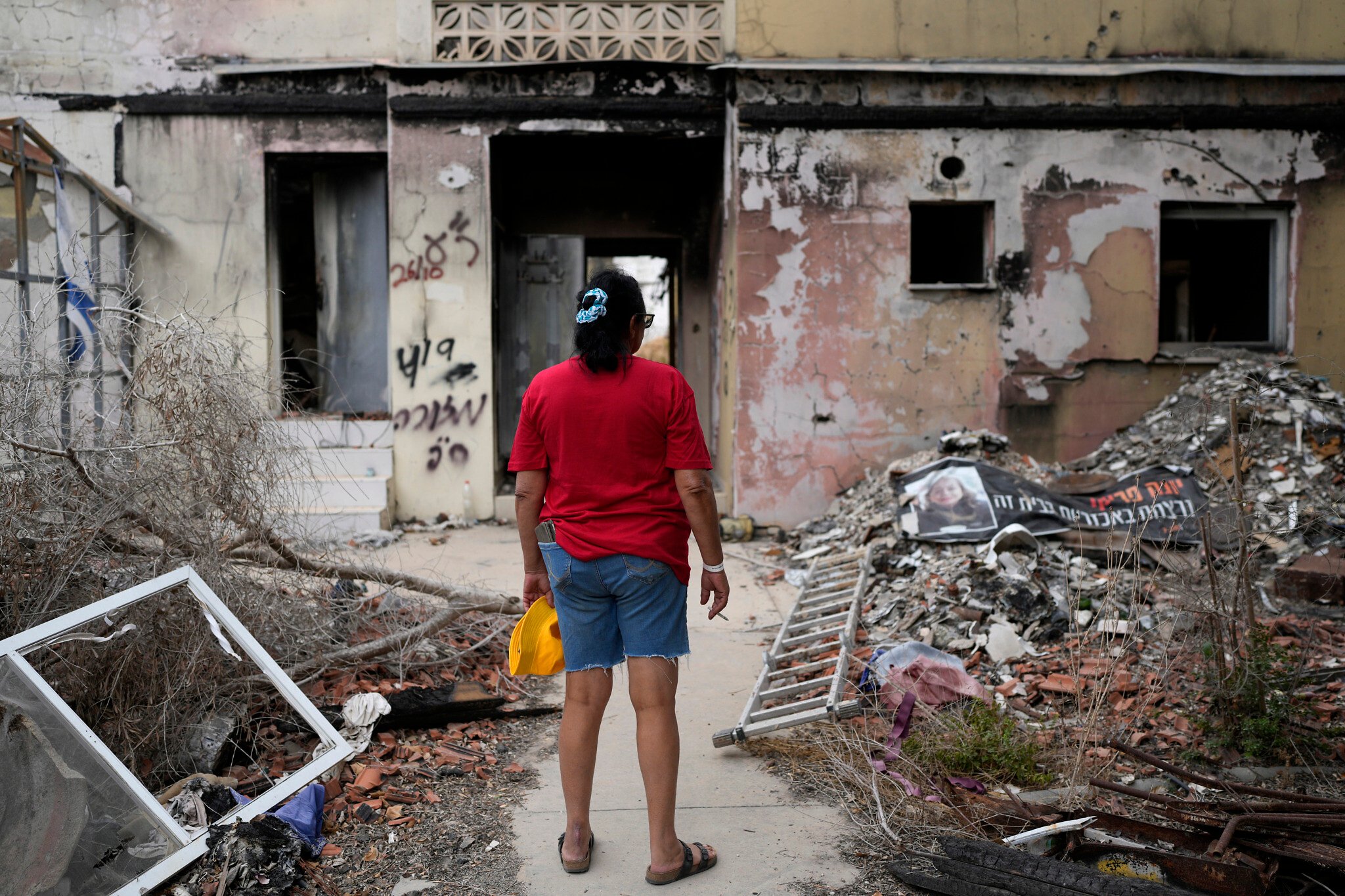
It measured residents’ attitudes on 12 issues, ranging from national, community, and individual resilience to symptoms of stress, post-traumatic stress disorder, and social cohesion.
The study found that stress and post-traumatic stress disorder symptoms were relatively high among all populations in the region, with urban dwellers reporting lower levels of stress than Bedouin and kibbutz respondents.
Gaps in government support
Social media discussions about mental health needs were most pronounced among residents of the cities of Ofakim and Netivot.
These are outside the so-called Tekuma belt, a region with one city (Sderot) and over 45 rural settlements located within seven kilometers (4.3 miles) of the Gaza border. Hardest hit on October 7, Tekuma is earmarked to receive NIS 19 billion ($5 billion) over five years for recovery.
However, Hamas terrorists also invaded Ofakim on October 7 and massacred 47 people there. In Netivot, defense forces managed to block gunmen from entering the city.

The report said, “Many [respondents] expressed frustrations over the fact that while financial aid in the form of tax benefits and property tax concessions has been given to some of the population, in the mental health realm, many remain without adequate solutions. Some residents report that they are forced to travel outside the city to receive mental health support, due to long waiting times and lack of therapists.”
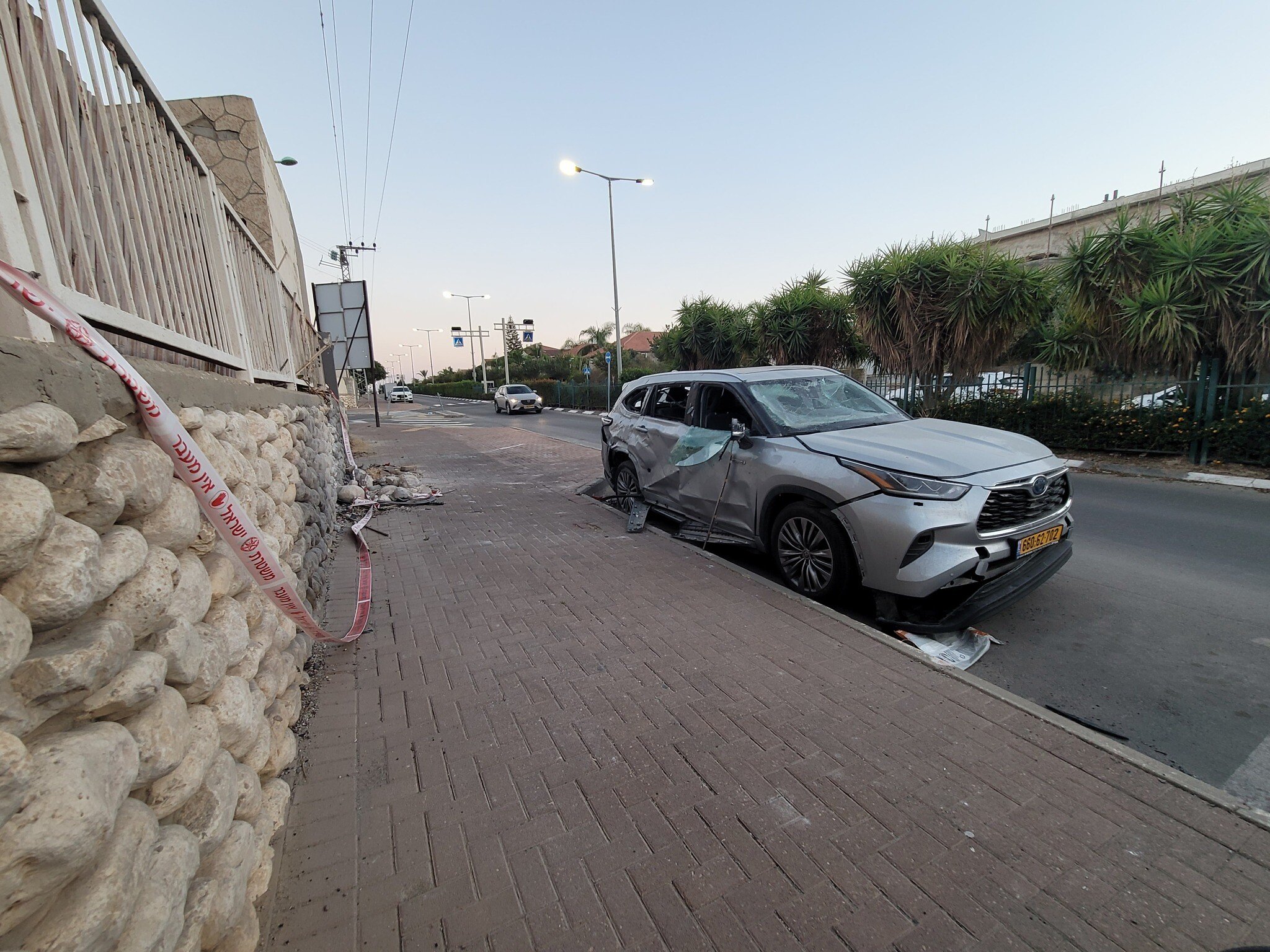
Ofakim and Netivot have petitioned the High Court to be included in the Tekuma belt. Last month, the Calcalist business daily reported (in Hebrew) that Prime Minister Benjamin Netanyahu was considering cutting NIS 1 billion ($265,000) from the Tekuma administration budget to support cities and towns such as Netivot, Ofakim, and the Bedouin town of Rahat, where four residents were kidnapped to Gaza. Only two were subsequently released.
Bedouin distrust
The research found particular resentment among Bedouin residents. The report said that during the initial weeks of the war, many Bedouins hoped the state would help to close gaps between them and Jewish Israelis because they had lost at least 17 members during the Hamas onslaught, while several more were killed while serving in the IDF.
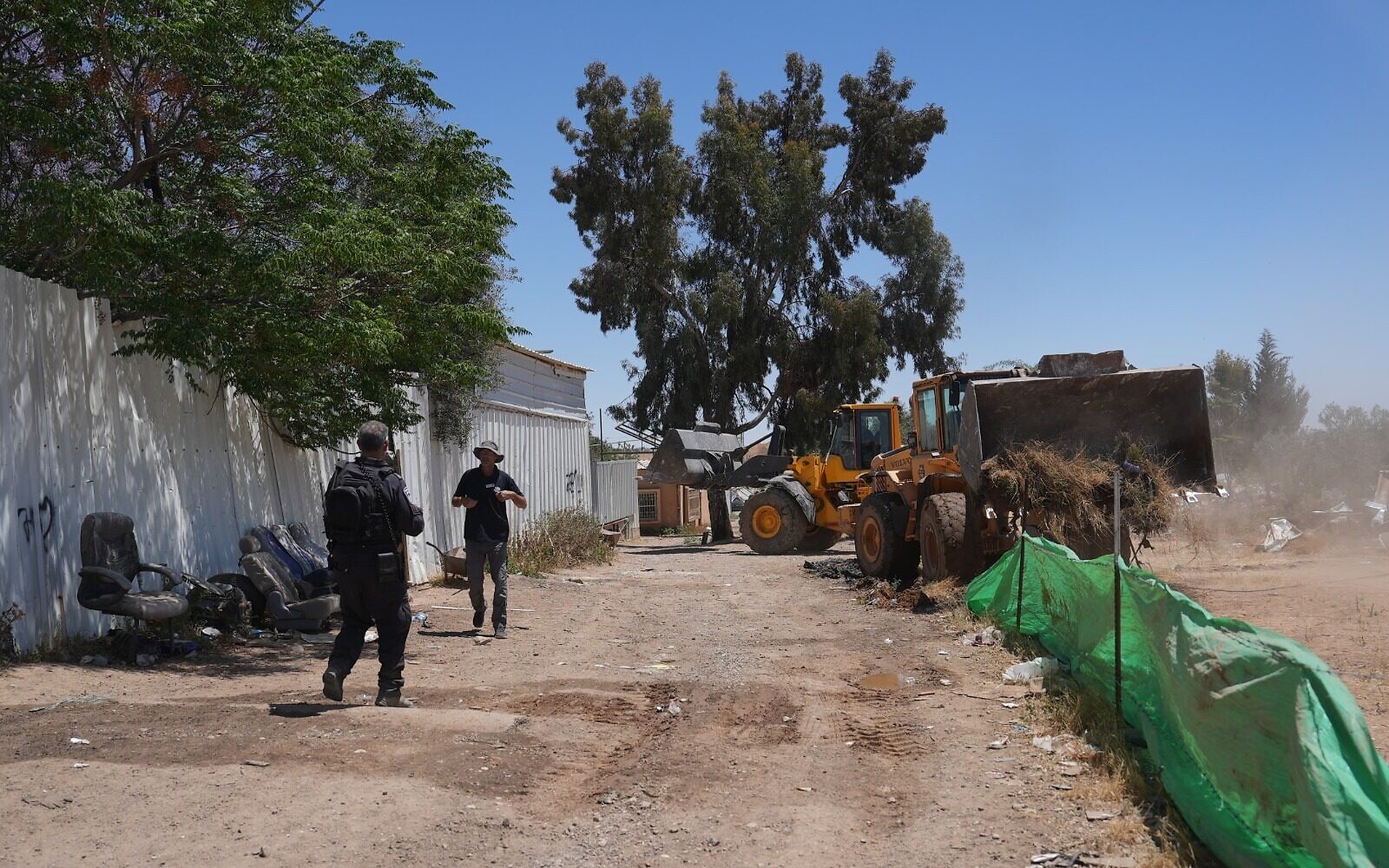
But hope was replaced by distrust over the state’s failure to fight rising crime in Arab society and anger against the far-right Internal Security Minister Itamar Ben Gvir, the Israel police under his control, and an uptick in house demolitions, the report found.
A list of dangers
The findings on internal violence were perhaps more surprising. Residents were asked to choose from a list of dangers: the political situation, war with Iran, Israel’s global stature, the war in Gaza, the war in the north against the Iranian-backed Hezbollah organization, Iran’s nuclear threat, the economic situation, and health risks.
When broken down by community, violence in Israeli society came in first out of nine possible threats for Bedouin residents. It was second for residents of kibbutzim and cities. The country’s internal political system was perceived as the biggest threat for the kibbutz dwellers, while for residents of cities, it was war with Iran.

Adini said respondents were not asked to detail the nature of the violence they feared. However, she noted that violence within the Arab community in southern Israel was a known fear among Bedouins and Jews living close by.
Social rifts within Israeli society have also seen violent clashes.
Adini explained that the political situation that kibbutzniks, many of them left-leaning, saw as the biggest threat was linked to their lack of trust in the far-right government and the negative way they believed the government saw them.







The Times of Israel Community.