

State’s witness casts suspicion on minister’s campaign funding — report
Miki Ganor said to have told police he used fictitious donors to pipe money into election effort of Energy Minister Yuval Steinitz
 Add ToI as a Preferred Source on Google
Stuart Winer is a breaking news editor at The Times of Israel.
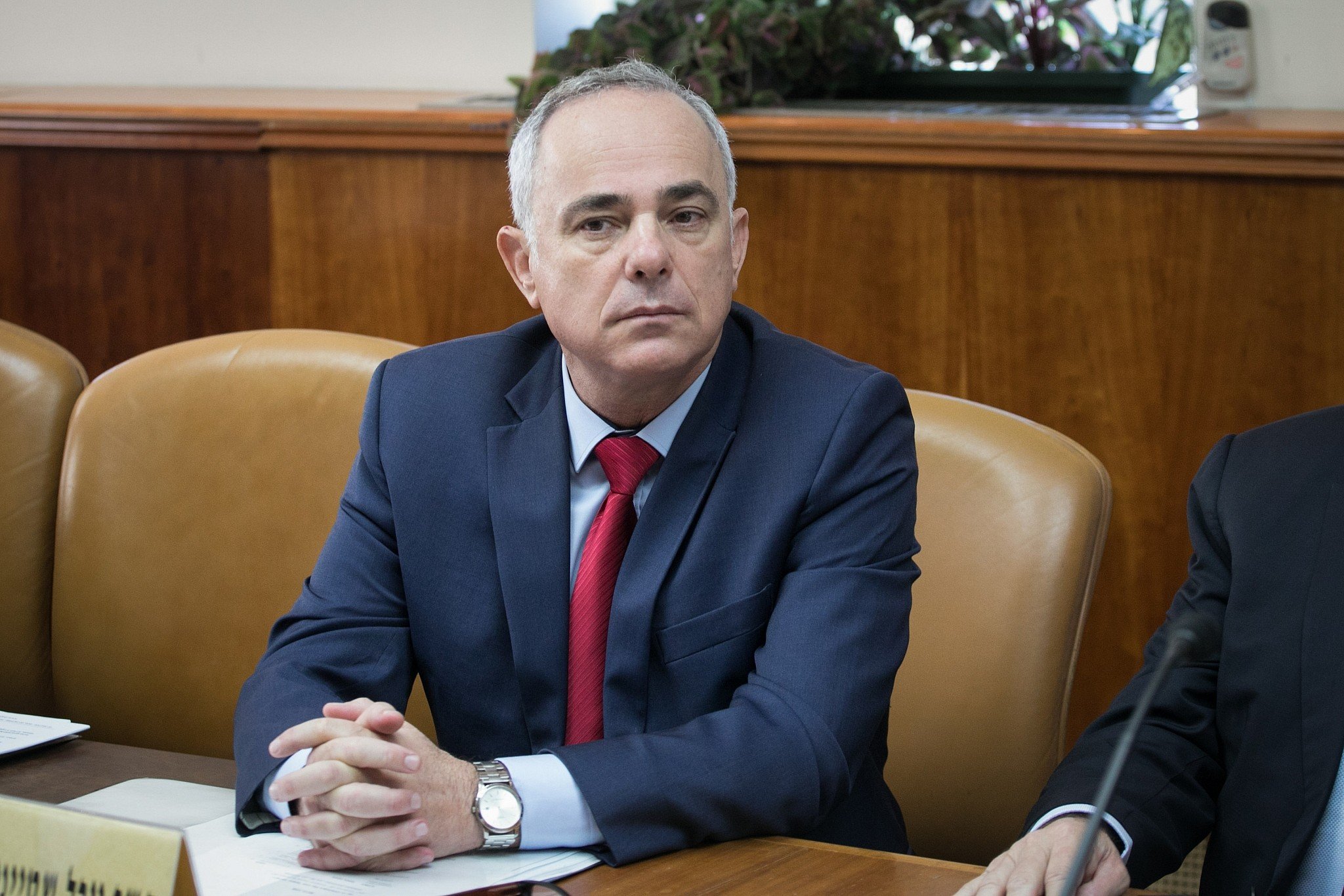
The state’s witness in a major graft probe into the purchase of naval submarines and ships has reportedly told police he helped fund the campaign of a top government minister using a system of fictitious donors.
Miki Ganor revealed to investigators information about his donations to the 2012 Likud party primaries election campaign of Energy Minister Yuval Steinitz, the Hebrew daily Yedioth Ahronoth reported Thursday.
Steinitz’s name was already tied to the submarine case after several close associates were arrested or questioned by police. The minister himself has not been implicated.
According to the report, Ganor used fictitious donors to get around the legal limitations on how much an individual can donate for party primary campaigns. For the Likud party primaries, donations are limited to some NIS 11,000 ($3,120) per donor.
Ganor reportedly coordinated with David Sharan, then chief of staff to Steinitz, to funnel cash to people who then passed the money on to the Steinitz headquarters. Steinitz, who was finance minister at the time, eventually placed 16th on the Likud list and went on to become energy minister after the 2015 general elections.
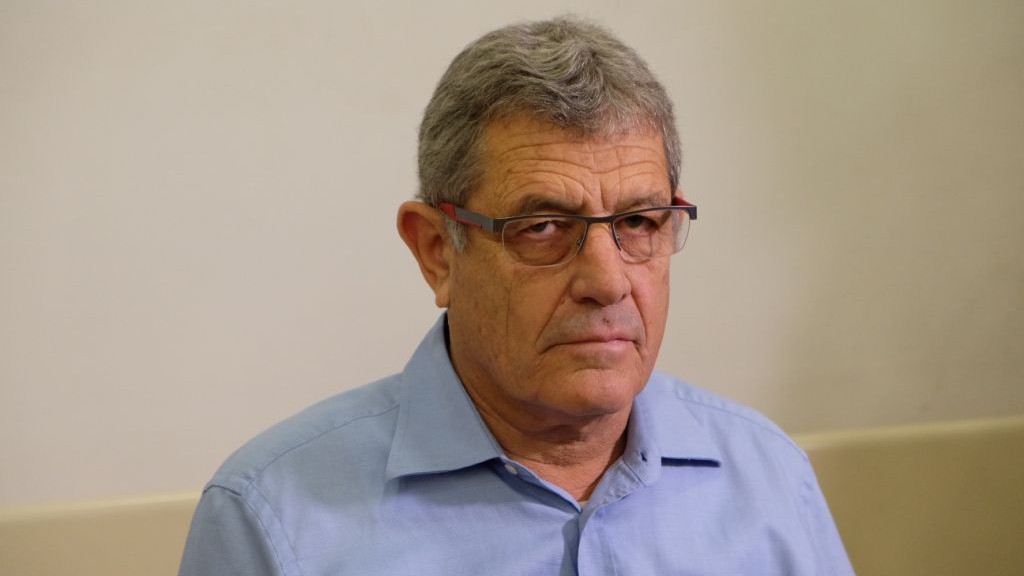
Investigators are evaluating whether or not Ganor received any benefit from the donations. Senior police figures expect there will be a need to ask Steinitz to give testimony, or even question him under caution, the report said, although it is not known if Steinitz was at all aware of the alleged fraudulent practices.
Sharan served as Prime Minister Netanyahu’s bureau chief from late 2014 to 2016. A lieutenant colonel in the IDF reserves, Sharan is a longtime Likud operative and confidant of the prime minister.
Ganor is a state witness in the so-called Case 3000. The corruption investigation centers around Ganor, who had been the local representative of German shipbuilder ThyssenKrupp, in a deal for Israel to buy three submarines and other vessels worth billions of shekels.
In the submarine probe, investigators suspect that state officials were bribed to influence a decision to buy the submarines, as well as corvettes to patrol Israel’s gas fields, from ThyssenKrupp, despite opposition from the Defense Ministry.
The submarine affair has scooped up other Steinitz associates. Rami Taib, a veteran political operative who served as Steinitz’s political adviser, was arrested on suspicion of bribery, money laundering, and conspiracy to commit a crime.
In September, Gary Hakim, a businessman and Steinitz’s brother-in-law, and Aviad Shai, who served as an adviser to Steinitz when he was finance minister, were both named as suspects recently questioned by police in connection to the case.
Hakim and Shai were questioned at the Lod headquarters of the Lahav 433 unit. Hakim was questioned under caution, while Shai was arrested by police before he was questioned.
The two were later released to house arrest with restrictions on where they can go and with whom they may meet and speak until the end of the investigation. Taib was also later released to house arrest.






The Times of Israel Community.