

Tnuva announces price hikes on unregulated dairy products in fresh blow to consumers
Food giant says costs to rise by average of 4.65%, with some to increase by over 9%; announcement comes with prices of regulated dairy products already set to soar
 Add ToI as a Preferred Source on Google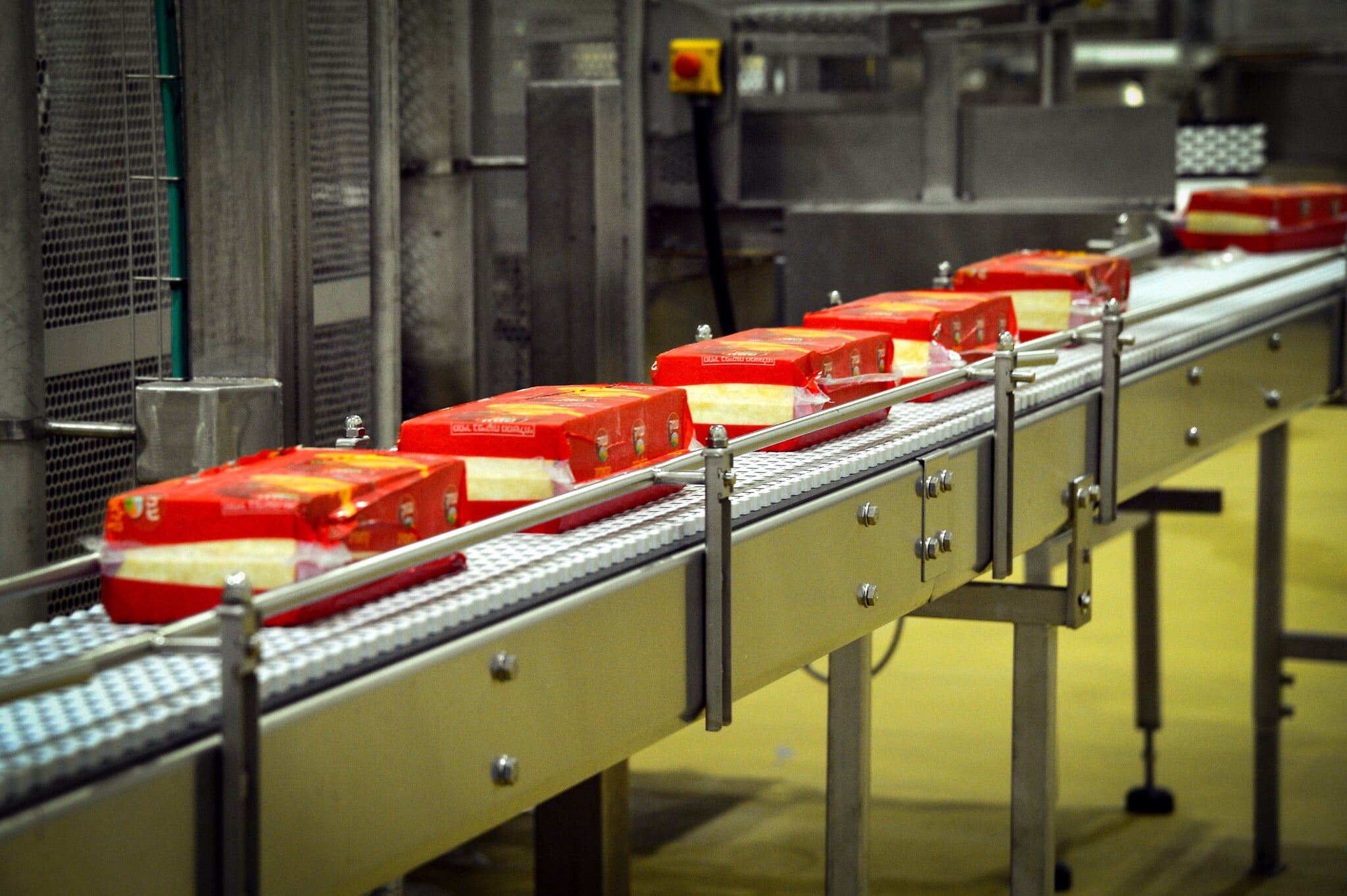
Dairy giant Tnuva said Tuesday that it was raising the prices of its unregulated products by an average of 4.65 percent, in the latest blow to consumers facing the rising cost of living.
The announcement came just weeks ahead of the Jewish holiday of Shavuot, which traditionally features dairy-heavy festive meals, and one day after it was announced that government-regulated dairy products will also see a significant rise in prices.
Tnuva said the products that will see price increases will include yogurts, butter, cottage cheese, yellow cheese and salty cheeses.
Many of the products affected will see price rises far above 4.65%, with some set to see an increase of over 9%.
The price hikes will come into effect on May 7.
Tnuva said in a statement that the increase was “in light of the significant increase in costs, primarily the price of raw milk.”
The head of the Knesset Finance Committee, United Torah Judaism MK Moshe Gafni, tweeted that the announcement by Tnuva was “unacceptable.”
“We cannot let it happen. We have committed to fighting the cost of living and will do so in every possible way,” Gafni said.

On Monday it was announced that regulated dairy products would see a rise of over 9% this week, as part of an expected 16% total increase across three years.
Israel regulates the price of a number of key daily products including milk, soft white cheese and basic bread.
The full 16% increase had been scheduled to come into effect on Monday, but Finance Minister Bezalel Smotrich came to a last-minute agreement with manufacturers for it to be spread out across a number of years instead.
Government-regulated prices are therefore set to jump by 9.28% on Wednesday. The next rise, by 3.1%, will be in May 2024, with two more increases by the same percentage taking effect in May 2025 and May 2026.
A 1-liter carton of 3% milk was set to jump from NIS 6.23 ($1.72) to NIS 6.81 ($1.87), while a 250-gram tub of soft white cheese will rise from NIS 4.98 ($1.37) to NIS 5.44 ($1.50).
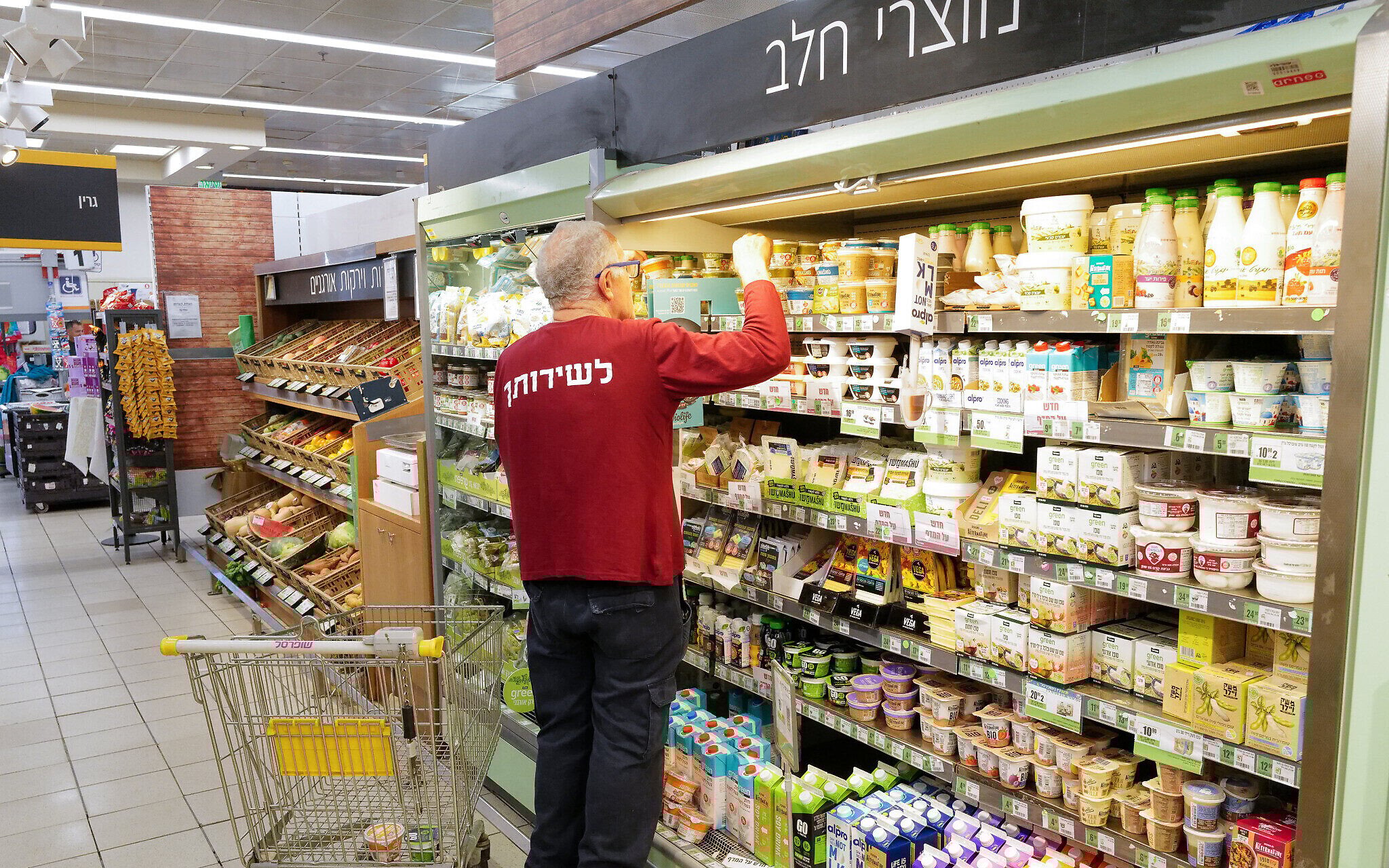
Along with much of the world, Israeli consumers have felt the pinch of rising prices in nearly every consumer category.
Polls show the public is increasingly dissatisfied with the government’s performance on the matter, saying that the coalition is concentrating on its contentious judicial overhaul instead of the spiraling cost of living.
Veteran Likud MK David Bitan on Saturday slammed his own government for neglecting the rising cost of living as it pursues its plans to weaken the judiciary.
With the overhaul having been paused in March for negotiations with the opposition, Bitan said the public is mainly concerned with the cost of living, and that the coalition is “not doing the job we need to be doing” based on its election promises. As chair of the Knesset Economic Committee, Bitan lamented that there were no major solutions in state budget proposals.
Dairy prices in Israel are a particularly sensitive issue and have sparked reactions that often snowball into mass demonstrations against the high cost of living. In 2011, the so-called cottage cheese protest sparked weeks of social unrest, resulting in supermarkets lowering dairy prices and policy reforms aimed at lowering consumer prices.

Dairy producers say that the price of the food grains for cattle that account for a significant part of the cost of producing dairy items has jumped, raising costs.
In mid-November, Tnuva announced a 4.7% increase in the price of hundreds of dairy products whose prices are not government-regulated, and some non-dairy substitutes.
Shufersal, Israel’s largest supermarket chain, said it would oppose the price hike by taking the affected products off its shelves, as it previously did with other large food manufacturers like Unilever and Tara, the country’s second-largest dairy processor. But Shufersal later said it would consent to raise the price on certain products, ending its boycott of the brand over the rising costs after only a few weeks.










The Times of Israel Community.