

UN sets out new arrangements to monitor Iran arms embargo
With sanctions lifted, Security Council lays out procedures to rein in Tehran’s ballistic missile program
 Add ToI as a Preferred Source on Google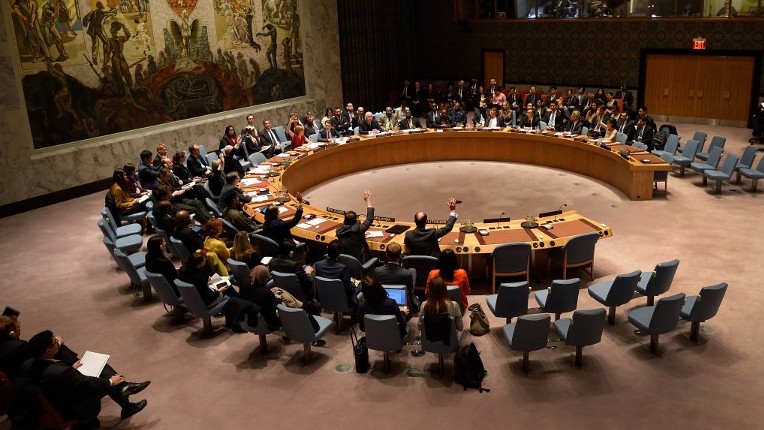
UNITED NATIONS (AP) — The UN Security Council has set out new arrangements to monitor an arms embargo on Iran and restrictions on its ballistic missiles and other programs that remain in place after its compliance with last summer’s landmark nuclear deal and the lifting of UN and Western sanctions.
The new arrangements replace the Security Council committee that monitored UN sanctions until they were lifted last Saturday.
A note from the council president circulated Thursday sets out “practical arrangements and procedures” for the Security Council to ensure implementation of the resolution it adopted on July 20 that endorsed the deal to rein in Iran’s nuclear program.
They include selecting one of the council’s 15 members to be the “facilitator,” and asking UN Secretary-General Ban Ki-moon to authorize UN support for the council’s work, including helping to organize meetings and managing communications.
While crippling economic sanctions are now lifted, the nuclear deal with six major powers keeps the UN’s arms embargo on the country for up to five years, though it could end earlier if the International Atomic Energy Agency clears Iran of any current work on nuclear weapons.
A similar condition was put on UN restrictions on the transfer of ballistic missile technology to Tehran, which could last for up to eight more years. The United States just imposed new US sanctions over Iran’s ballistic missile testing.
The resolution contains a provision that would automatically reinstate UN sanctions if Tehran reneges on its promises. All provisions of the resolution will terminate in 10 years, including the “snap back” provision. But the six major powers and the European Union sent a letter to the secretary-general in July saying they agreed to extend the snap back mechanism for an additional five years.
The note from Uruguay’s UN Ambassador Elbio Rosselli, the current council president, says the UN’s most powerful body “shall take any necessary action to support and improve the implementation” of the July 20 resolution, including “responding appropriately to information regarding alleged actions inconsistent with the resolution.”
Under the nuclear deal, the council is also required to decide “on a case-by-case basis” on requests from UN member states to engage in a host of activities with Iran. These include selling or transferring items related to nuclear reprocessing or enrichment, mining or producing uranium, or using certain nuclear materials and technology.
The note asks the secretary-general to report to the Security Council every six month on implementation of the resolution.
Copyright 2016 The Associated Press.




The Times of Israel Community.