

Anticipating end to sanctions, Iran’s FM heads to Vienna
Zarif accompanied by Iranian atomic chief, will meet with Kerry as UN watchdog expected to confirm Tehran compliance with nuclear deal
 Add ToI as a Preferred Source on Google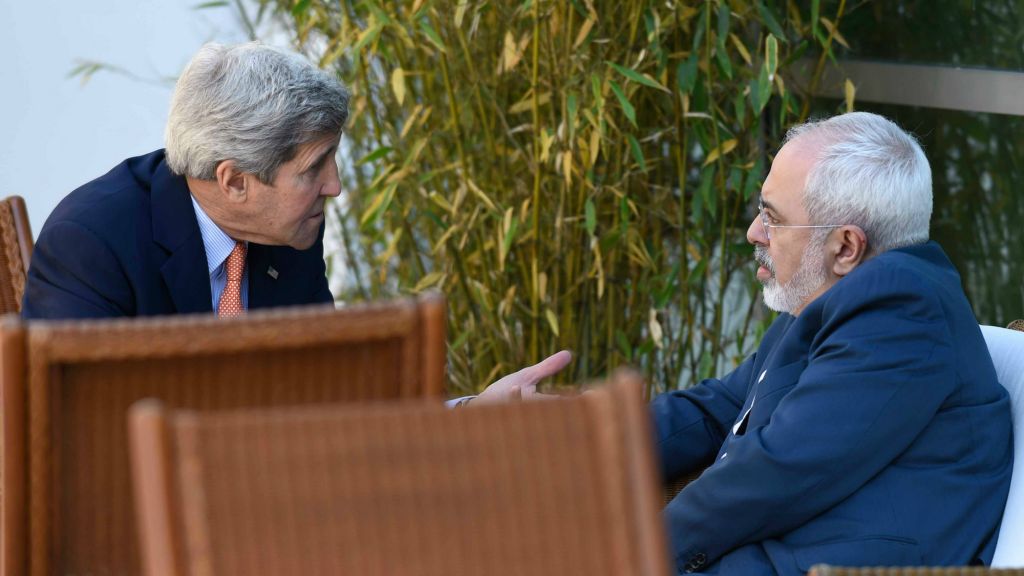
Iranian Foreign Minister Mohammad Javad Zarif departed for Vienna early Saturday for talks with European Union and US counterparts on the country’s landmark nuclear deal, the official IRNA news agency reported.
At a meeting later Saturday, also attended by US Secretary of State John Kerry and EU foreign policy chief Federica Mogherini, the United Nations nuclear watchdog is expected to announce that Iran has fulfilled its side of the deal to put an atomic bomb beyond its reach.
Zarif was accompanied by Ali Akbar Salehi, the head of Iran’s Atomic Energy Organization, Iranian media said.
The State Department confirmed Friday that Kerry would be meeting the following day with Zarif in Vienna, the headquarters of the UN’s International Atomic Energy Agency (IAEA).
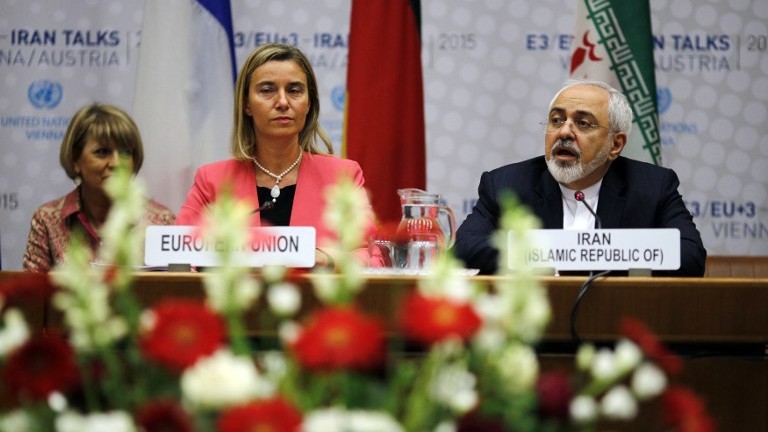
Spokesman Mark Toner said Kerry would meet with Zarif and Mogherini to discuss the so-called Joint Comprehensive Plan of Action on Iran’s nuclear program.
“As we’ve said, all parties have continued making steady progress toward ‘Implementation Day’ of the JCPOA, which will ensure the exclusively peaceful nature of Iran’s nuclear program,” Toner said.
International and US officials have refused to confirm that implementation of the agreement would begin Saturday, but agree that it will start in the coming days, and Iran expects it before Sunday.
The US said Friday that it was waiting for the report before announcing that the years of economic sanctions on the Islamic Republic had been lifted.
White House spokesman Josh Earnest said that Iran would not get any sanctions relief until the IAEA independently verified that all steps have been completed.
The report is expected to say that Iran has scaled down key areas of its nuclear activities in line with the July 2015 agreement, which aimed to render impossible any dash to build nuclear weapons.
The measures include Iran slashing by two-thirds its number of uranium enrichment centrifuges, removing the core of its Arak reactor and sharply reducing its stock of uranium.








The Times of Israel Community.