

As US readies Korean defenses, top admiral says forces are ready
‘If it flies, it will die,’ Pacific Command head tells House committee concerning any attempt to target American troops
 Add ToI as a Preferred Source on Google
WASHINGTON (AP) — Ahead of an extraordinary White House briefing for senators, close ally South Korea on Wednesday started installing key parts of a contentious US defense system against missiles from North Korea. And America’s Pacific commander said any North Korean missile fired at US forces would be destroyed.
“If it flies, it will die,” Admiral Harry Harris Jr., told Congress.
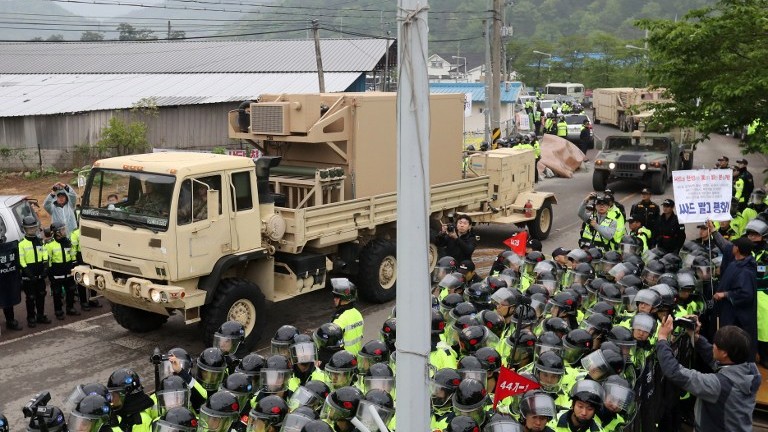
South Korea’s trumpeting of progress in setting up the Terminal High-Altitude Area Defense system, or THAAD, comes as high-powered US military vessels converge on the Korean Peninsula and as a combative North Korea signals possible nuclear and missile testing. Harris said the THAAD would be operational within days.
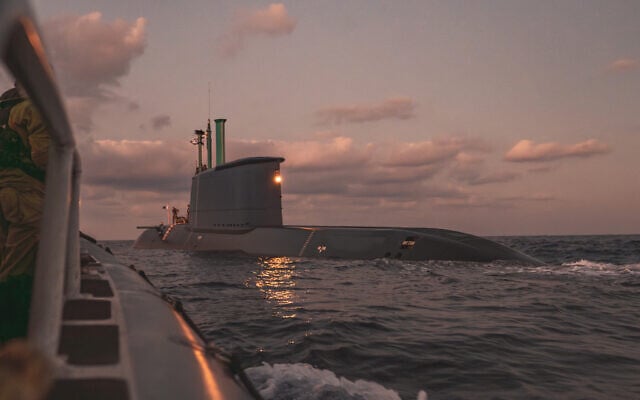
North Korea conducted live-fire artillery drills on Tuesday, the 85th anniversary of the founding of its million-person Korean People’s Army. On the same day, a US guided-missile submarine docked in South Korea. The USS Carl Vinson aircraft supercarrier also is headed toward the peninsula for an exercise with South Korea. China, which is urging restraint on all sides, called for the US to halt the maneuvers.
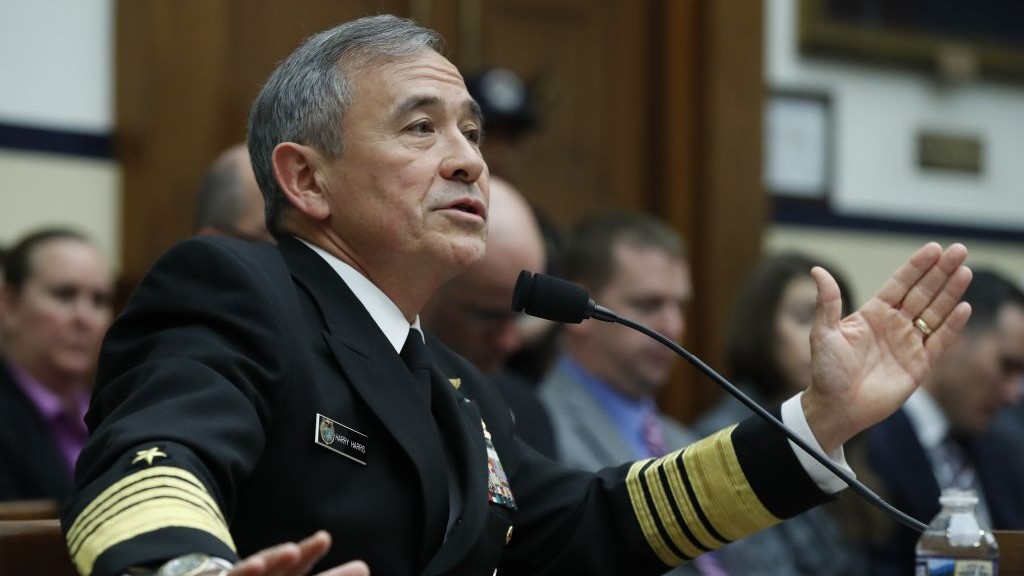
At a House Armed Services Committee, Harris rejected reports that the Carl Vinson group is vulnerable to North Korean attacks. The commander of US Pacific Command said North Korea doesn’t have a weapon that can threaten the group.
But Harris also said he expects North Korea to soon be able to develop a long-range missile capable of striking the United States, despite some spectacular failures in its ballistic missile program.
“Just as Thomas Edison is believed to have failed 1,000 times before successfully inventing the electric light bulb, so too, Kim Jong Un will keep trying,” Harris said. “One of these days soon, he will succeed.”
Harris testified before a pair of Trump administration briefings on the North Korea crisis. All 100 senators have been invited to an unprecedented briefing in a building next to the White House that will include US President Donald Trump’s secretary of state, defense secretary, top general and national intelligence director. The briefing team will then speak to House members in the Capitol.
The Trump administration has warned that all options, including a military strike, are on the table to block North Korea from developing a nuclear-tipped missile that could reach the US mainland. A US pre-emptive attack isn’t likely, American officials have said, and the Trump White House has settled on a strategy of increasing pressure on North Korea with the help of China.
Wednesday’s briefings will focus on three key issues related to North Korea’s nuclear program: intelligence about the North’s capabilities; US response options, including military ones; and how to get China and other countries to enforce existing economic sanctions on Pyongyang, along with ideas for new penalties. The officials weren’t authorized to speak publicly about plans for the closed-doors briefings and requested anonymity.
North Korea routinely accuses the United States of readying for an invasion, and threatens pre-emptive strikes to stop it. On Wednesday, its UN mission said North Korea would react to “a total war” with the US with a nuclear war and asserted the North would win in a “death-defying struggle against the US imperialists.”
A targeted attack to take out North Korea’s growing nuclear weapons program could spark a wider war on the Korean peninsula, lawmakers and experts on North Korea have warned. Harris said the US has “a lot of pre-emptive options” that would affect North Korea’s “military calculus.” But he declined to provide specifics in an open setting.
Washington and Pyongyang have flexed their muscles in recent days. North Korea conducted large-scale, live-fire drills Tuesday near an eastern coastal town to mark its military’s founding anniversary and state media reported that Kim personally observed the exercises. At the same time, the USS Michigan, a nuclear-powered submarine armed with 154 Tomahawk cruise missiles, arrived in South Korea.
Unspecified parts of the THAAD defense system also were installed. According to the Yonhap news agency, the parts include two or three launchers, intercept missiles and radar.
But the system’s installation is also upsetting China, the country Trump hopes to work with to rid the North of nuclear weapons. China, which has grown increasingly frustrated with North Korea, its traditional ally, and Russia see the system’s powerful radars as a security threat.
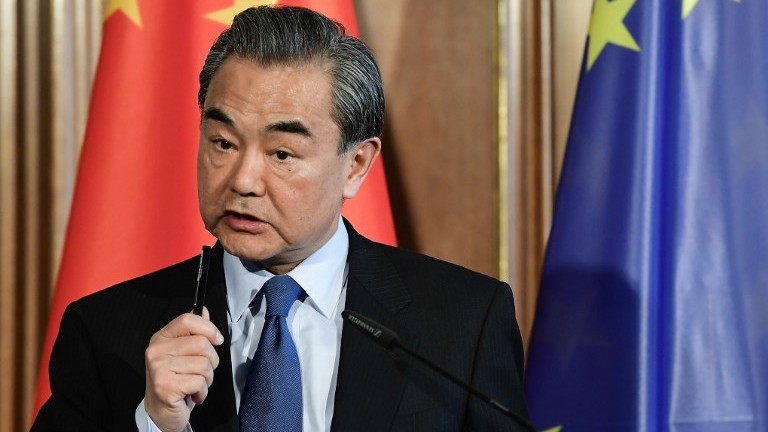
In Berlin, Chinese Foreign Minister Wang Yi said through an interpreter that all sides had obligations and “we don’t want to see any cherry picking.”
Pyongyang must suspend its nuclear activities, he said, but “on the other side, the large-scale military maneuvers in Korean waters should be halted.”
In Beijing, Chinese foreign ministry spokesman Geng Shuang said the THAAD system’s deployment would “disrupt the regional strategic balance and further aggravate the tension on the peninsula.”
“China will firmly be taking necessary measures to defend our own interests,” Geng added.
Last year, North Korea conducted two nuclear tests. It also launched a long-range rocket last year that delivered a satellite into orbit, which Washington, Seoul and others saw as a banned test of missile technology.
Copyright 2017 The Associated Press







The Times of Israel Community.