

Cabinet approves minimum wage hike to NIS 5,000 a month
Current NIS 4,300 salary to be bumped in three increments, completing its rise on January 1, 2017
 Add ToI as a Preferred Source on Google
The cabinet on Sunday morning approved a plan to raise the minimum wage in Israel to NIS 5,000 ($1,270) per month by January 2017. The decision comes following an agreement signed last week between the government and the Histadrut labor union.
According to the agreement, the minimum salary will be raised in three increments: to NIS 4,650 ($1,180) by April 1, to NIS 4,825 ($1,225) by August 1, 2016, and to NIS 5,000 by January 1, 2017.
The decision will be brought before the Knesset on Wednesday during a special recess session, and will be voted on in an expedited process.
In their comments on the proposal to raise the minimum wage, Prime Minister Benjamin Netanyahu, who is also acting finance minister, and Economy Minister Naftali Bennett said the move would help minimize social gaps by raising the income of lower- and middle-class families.
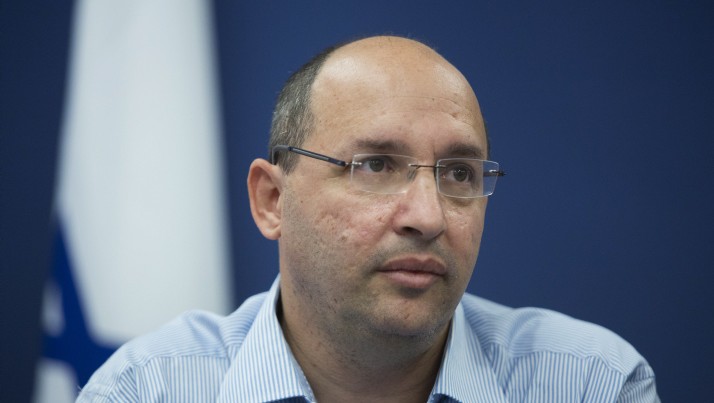
Histadrut leader Avi Nissankorn said Sunday that “the government today gave final validity to the agreements reached between the Histadrut and employers.
“This decision will effectively help to close social gaps and minimize inequality in Israel. In less than three months 700,000 families will start feeling the difference.”
Netanyahu said raising the minimum wage “strengthens the State of Israel and all segments of society.
“We raised the minimum wage for the first time in 2011… now we raise it again. I think this reflects our will to help all segments of society and I am happy this is being done in agreement with employers and employees. This is an achievement for the State of Israel and we are certainly proud.”
Yesh Atid said in a statement following the decision that it “commends the government for its decision to raise the minimum wage. Raising the minimum wage is a step in the right direction, both morally and ethically, and was formulated by [party leader Yair] Lapid when he served as finance minister, in cooperation with representatives of the Histadrut and employers, and it is one with our aspiration to close social gaps as exemplified by other reforms we initiated.”








The Times of Israel Community.