

In test for Netanyahu, Likud weighs primary voting reform
Members cast ballots on dueling proposals that would put power to pick Knesset slate in hands of all party members, or smaller central committee
 Add ToI as a Preferred Source on Google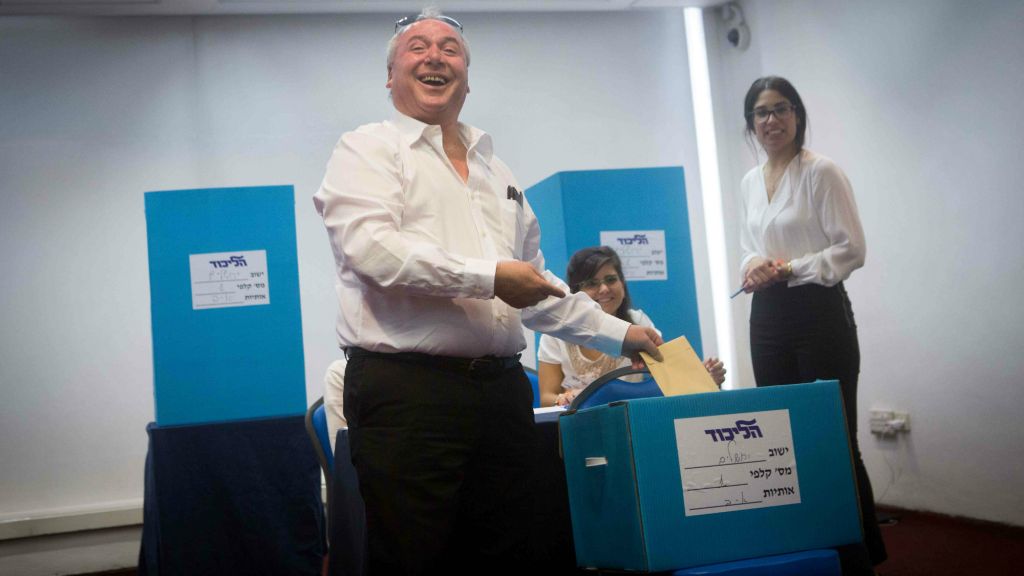
Members of the Likud party were given a chance to vote on changes to the way the party picks its Knesset slate Sunday, putting Prime Minister Benjamin Netanyahu to his first test since he led the party to an election victory in March.
Voters from the Likud Central Committee were faced with the question of whether to put power in the hands of all the party’s members to vote on the first 16 slots of the Knesset list, giving themselves control only of district appointments lower down on the list.
The proposal, written by MK David Bitan, is backed by Netanyahu, who has lost power within the party in past years to the Likud Central Committee, a steering panel made up of 3,770 top members.
The plan is considered a compromise from the current voting system which lets all Likud voters choose the Knesset slate.
A second proposal, opposed by Netanyahu, would give the central committee say on the whole Knesset slate, effectively disenfranchising the party’s 100,000-plus members.
Netanyahu has expressed concern that if the first proposal is defeated, the central committee could be dogged by allegations of corruption.
Polls opened at 11 a.m. and results were expected to be announced after they closed at 10 p.m. Sunday night.
On Sunday morning, the prime minister exhorted members to get out and vote so that opponents of his preferred proposal, whom he referred to as the minority, would not have an opportunity to “harm our registered members and give our competitors a chance to tarnish our reputation.”
He voiced hope for a high voter turnout that would repeat the Likud victory in the elections last March, and added that voting for the proposal he backed would keep the Likud as the ruling party “for many years to come.”
Haaretz reported on Sunday that in Netanyahu’s efforts to win the support of Likud Central Committee members in recent weeks, he has obtained 26 out of 30 signatures of Likud Knesset faction members on a letter supporting his position. Ministers Yisrael Katz and Silvan Shalom refused to sign it.
“Most of you support my compromise proposal,” Netanyahu said in a video clip that he circulated among the Central Committee members over the weekend. “It is good for the registered members, for the central committee and Likud.”
Bitan, the author of the compromise proposal, also expressed concern that its defeat would affect Likud’s image, remarking that if that happened, a small number of people could spoil things for the entire party membership.
MK David Amsalem, who wrote the opposing proposal, told the Hebrew press that his plan would allow the party to prosper.
“On Sunday we will bring the heart and soul back to Likud. We will stop the smearing and contempt that the central committee members suffer through no fault of their own, and give them the opportunity to take their place in working on behalf of all Israel’s citizens,” he said.
The Hebrew-language news site NRG reported on Sunday that a third proposal is on the ballot as well, though its chances are believed to be extremely slim. According to this proposal, the central committee members, together with thousands of members of smaller Likud branches throughout Israel, would vote for the Knesset list.









The Times of Israel Community.