

In Saudi Arabia, Obama pledges vigilance against Iran
US president also says he and Gulf leaders agree on ways to move forward in campaign against Islamic State
 Add ToI as a Preferred Source on Google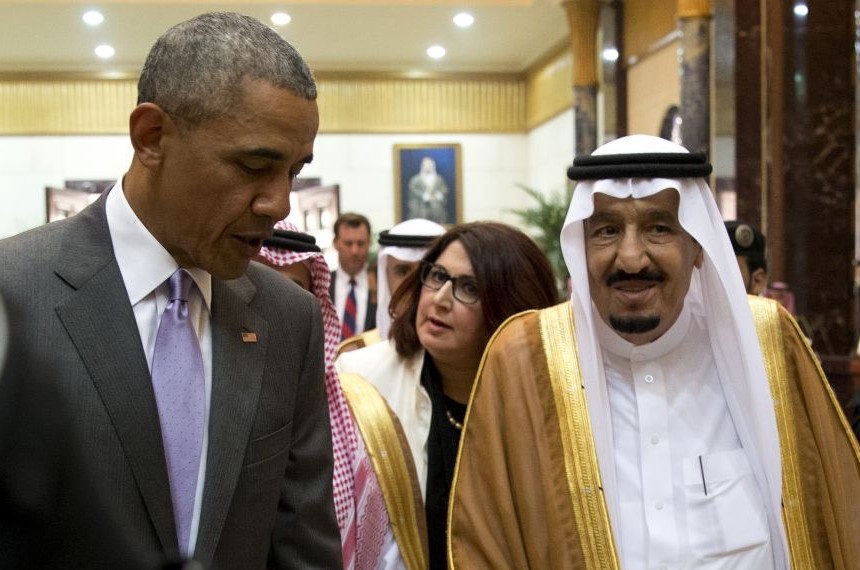
RIYADH, Saudi Arabia (AP) — US President Barack Obama on Thursday pledged to remain vigilant against Iran’s destabilizing activities in the Middle East as he tried to allay concerns of Persian Gulf allies wary of his nuclear deal with their regional rival.
“We will remain vigilant to make sure Iran fulfills its commitments, just as we fulfill ours,” Obama said.
Still, the president said, “None of our nations have an interest in conflict with Iran.” Speaking as he met with top officials from six Arab nations at a Gulf summit in Saudi Arabia, he added: “We welcome an Iran that plays a responsible role in the region, one that takes concrete, practical steps to build trust and resolve its differences with its neighbors by peaceful means, and abides by international rules and norms.”
Obama, finishing his brief trip to the kingdom, said he and the Gulf leaders had agreed about ways to move forward in campaign against the Islamic State group, with members of the Gulf Cooperation Council agreeing to “increase their contributions to the fight.”
He said the nations had also agreed to help Iraq. That was a nod to Obama’s request to Gulf countries to step up their financial and political support for rebuilding Iraq after years of war.
Obama’s comments in the Saudi capital came after talks aimed at reassuring and coordinating with Mideast allies that harbor serious doubts about Obama’s outreach to Iran and about US policy toward Syria, where a civil war rages on.
Obama said the fragile cessation of hostilities there was under “tremendous strain” and he decried continued violations, but made the case for sticking to the US strategy of using diplomatic talks to pursuing a political transition for Syria.
“This violence is yet another reminder that there’s just one way to end this civil war,” Obama said, adding that the Gulf leaders had agreed.
The summit followed bilateral talks that Obama held with Saudi King Salman on Wednesday shortly after arriving in the kingdom. Besides Saudi Arabia, the GCC includes the United Arab Emirates, Qatar, Kuwait, Oman and Bahrain.
Saudi Arabia, the Emirates and other Gulf countries share the US view that IS fighters pose a threat, and have joined the US-led bombing campaign against the group. But they want the US to do more to attempt to remove Syrian President Bashar Assad from power.
The Gulf states are also skeptical of Obama’s willingness to negotiate with Shiite Iran, and fear that last year’s nuclear deal with the Islamic Republic will lead to a rebalancing of regional stances at their expense. Obama said even with the deal, the U.S. and its Gulf partners had “serious concerns” about ongoing Iranian behavior, including arms shipments that have been interdicted.
The US has said Iran is meeting its commitments under the nuclear deal while continuing to violate other international obligations. Yet Obama has also faced intense criticism from many Republicans in the US as well as Sunni-led countries for sanctions relief the US is granting Iran under the deal.
Copyright 2016 The Associated Press.








The Times of Israel Community.