

Israeli actor calls Likud voters ‘cud-munching cattle,’ draws ire
Politicians slam comments by Oded Kotler, who spoke at meeting on recent political interference in cultural matters
 Add ToI as a Preferred Source on Google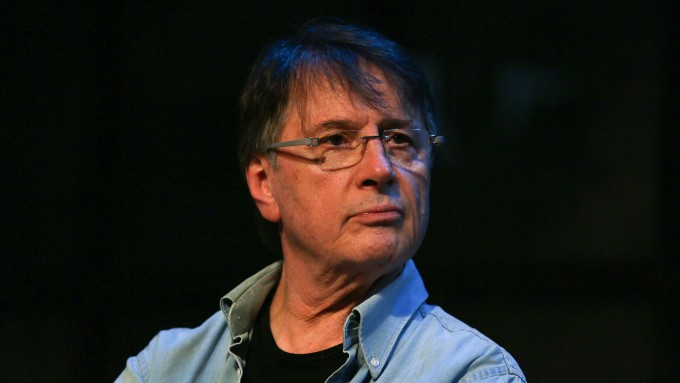
Likening right-wing voters to “a herd of straw and cud-munching cattle,” an Israeli actor stirred controversy Thursday while speaking at an emergency cultural meeting in Jaffa focused on the recent “anti-democratic measures” taken by Education Minister Naftali Bennett and Culture Minister Miri Regev toward members of the artistic community.
“Imagine your world is quiet — without books, without music, without poems, a world where no one disturbs you and no one stops the nation from celebrating the 30 [Knesset] seats which are followed by a herd of straw and cud-munching cattle,” Oded Kotler said to the crowd of artists, referencing Regev’s Likud party, headed by Prime Minister Benjamin Netanyahu, which won 30 seats in the last election.
Kotler’s speech was met with applause from the crowd, but also heckling, as disputes broke out between the crowd of artists gathered at the meeting over how to address the ministers’ moves in recent days to defund cultural projects over political views.
Regev later responded to Kotler’s remarks, saying that likening Likud voters to “cattle” reveals the “ugly and patronizing face of the speaker, Oded Kotler, and some of the participants who clapped for him.”
“Kotler’s remarks express, in my view, a cultural darkness,” she said in a Facebook post.
Zionist Union leader Isaac Herzog, head of the opposition, also slammed Kotler for his speech, saying that the actor’s comment “has absolutely nothing in common with culture, love of mankind or pluralism.”
Hertzog’s fellow Labor party member MK Shelly Yahimovitch also derided the the actor’s remarks, saying she would use her “freedom of expression to make a diagnosis that whoever calls 985,408 people cattle, is a beast himself.”
Under the title “The Blacklist: members of the artistic community will not be silenced,” the artists had drafted a petition, protesting what they term “anti-democratic measures” being taken by government ministries toward artists whose works “do not conform to governmental dictates.”
It was signed by dozens of cultural figures, including veteran actress Gila Almagor, filmmaker and actress Ronit Elkabetz, writer Yehonatan Geffen and long-time actor Moni Moshonov.
But as it was read out to the attendees during the Sunday meeting, several artists called out against what they claimed was a “watered down” version of the original wording, and demanded it be reformulated before it is released to the press.
In a meeting Thursday with representatives of Israel’s artistic community, Regev called on Israeli artists to increase their outward expression of Israeli nationalism during performances.
Urging Israeli artists to join the fight against the delegitimization of Israel, Regev held up former Beatle Sir Paul McCartney as a patriotic role model for waving his national flag on stage at a London concert she attended.
“This is what I want to happen here, too, for artists to wave Israeli flags, Regev told representatives of Israel’s artistic community during a meeting Thursday, according to a report in the UK’s Telegraph Saturday.
The remarks came several days after the minister published a post on Facebook threatening to withdraw state support from a Jewish-Arab children’s theater in Jaffa after its founder said he would not perform in the West Bank.
During the Thursday meeting, she also reportedly said “We got 30 Knesset seats, you got a total of 20,” referring to the Likud’s victory in the March elections. When asked to clarify what she meant by “you,” Regev responded, “We know that the left attributes culture to itself, we don’t need to get confused about who the public is, and who [the public] chose.”
Last week, Education Minister Naftali Bennett ordered his ministry to pull state funding for the al-Midan Theater in Haifa because a play it staged, A Parallel Time, was inspired by the life of a convicted Palestinian terrorist who murdered an Israel Defense Forces soldier.
The minister said that he intervened in the matter because the play was an autobiographical account of a terrorist, and turned the convicted killer of a soldier into a hero.
Bennett stood by his move, and told the media Thursday that it was an easy decision to make. “In a democracy, the Ministry of Education does not need to fund a play about the kidnapper and murderer of a soldier, and send children to watch it,” he said.







The Times of Israel Community.