

Netanyahu rallies to show powerful hold over Likud
A challenge to the PM turned into a dramatic show of force, as disparate factions showed how profoundly the party has been shaped, and held together, by its leader
 Add ToI as a Preferred Source on Google
Haviv Rettig Gur is The Times of Israel's senior analyst.
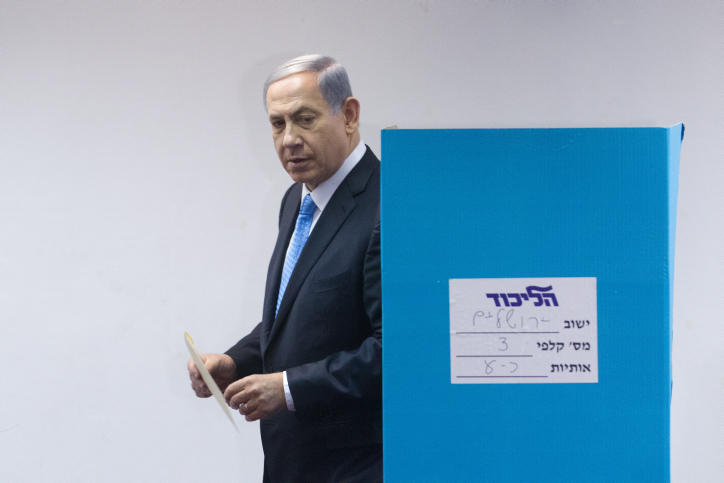
The Likud Central Committee, the ruling party’s key decision-making body, did something on Sunday not often seen in politics. It voted against granting itself more power.
A proposal that would have taken the power to appoint the party’s Knesset slate away from Likud’s membership and returned it to the Central Committee was defeated, winning just 38.7% of the 2,689 votes cast by committee members.
A competing proposal put forward by Prime Minister Benjamin Netanyahu, which grants the committee the far more limited power of appointing only the handful of Knesset list slots reserved for the regional party branches, passed with 57.9% of the vote.
The vote may seem from the outside like little more than a procedural victory for the long-time party leader, but it was much more than that.
A close reading of the forces arrayed against each other in the contest lays bare Netanyahu’s hold on the many competing factions within Likud, and the way the prime minister forges alliances and maneuvers between a wide variety of interests to maintain both his leadership of the party and his freedom from its demands.
The vote divided some of the most powerful people in Likud along clear lines.
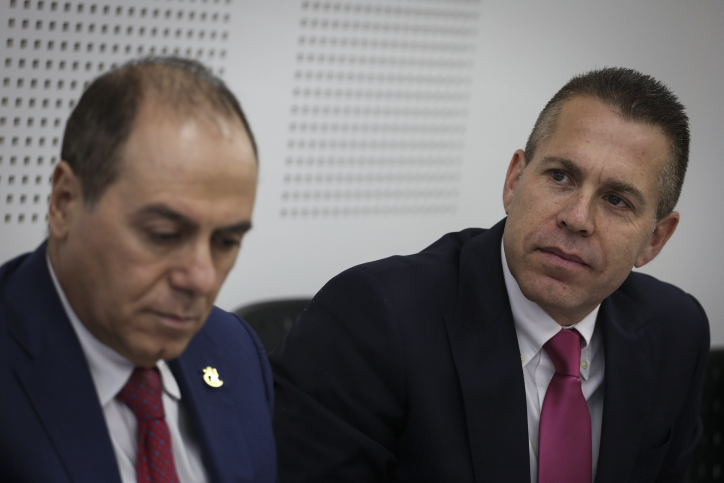
Two titans of the party machine, Transportation Minister Yisrael Katz and Interior Minister Silvan Shalom, worked quietly but intensively against Netanyahu’s compromise.
The two men each stand to gain from an empowered Central Committee. Shalom has spent his long years at the top of the Likud ranks working to appoint loyal supporters to the committee. Katz is chairman of the party’s Secretariat, essentially the executive organ that oversees its actual functioning. This oversight includes the power to set the formulas according to which party districts and branches are represented in the central committee. Katz has used this power over the years to ensure the appointment of his own supporters to the committee in large numbers.
This pro-committee camp also enjoyed two powerful advantages.
First, as already noted, it was urging the committee to do something to which every political institution aspires by default — to become more powerful.
Second, it played on longstanding frustration among party activists at being sidelined from the party’s levers of influence under Netanyahu. It was Netanyahu, when he regained control of Likud after Ariel Sharon left to Kadima, who took the primary election power away from the committee.
And it was Netanyahu who intentionally allowed the party’s branches and institutions to atrophy over the past decade for lack of funding and activity. For Netanyahu, institutions such as the Central Committee long represented potentially destabilizing threats to his control of the party, and thus of the country as a whole. His long-running feud with some Likud hawks in the past few years, usually led by Science Minister Danny Danon, over their attempts to give the Central Committee the power to set the party’s policy toward the Palestinians had only served to validate these concerns.
But Netanyahu didn’t stand still in the face of disquiet in the Likud ranks. He has spent the better part of the last two years re-engaging with the base, shoring up the self-esteem of party institutions and, most convincingly of all, delivering for Likud at the ballot box.
Sunday’s vote was thus not only the most significant challenge to Netanyahu’s powers as party leader in perhaps a decade, it was also a dramatic test of his standing in the party’s institutions in the wake of these recent efforts.
And so it is no small matter that Netanyahu was able to rally constituencies from all corners of the party to defend the architecture of political power that he himself instituted over the past decade.
Who backed Netanyahu?
First, Netanyahu enjoyed the surprising support of the party’s hawkish young guard — surprising because they have built their reputations as much by challenging Netanyahu as by endorsing him. These include the likes of Culture Minister Miri Regev, Absorption Minister Ze’ev Elkin, Tourism Minister Yariv Levin and even Danon, who is both science minister and the chairman of the Central Committee. It is telling that this “young guard” are all cabinet ministers now. That is, they are not as “young” as they once were, and are themselves deeply invested in the broader party primary system through which they rose to power.
Then there are more traditional power bases in the party, such as Welfare Minister Haim Katz, a classic Likud political “contractor” who represents the Israel Aircraft Industries workers union in the party and is thought to have many “loyal soldiers” in the committee. For Katz, Netanyahu’s goodwill, translated into access and policy influence for his union constituency, is the main benefit of supporting the prime minister in the vote.
And no less powerfully than all that, there is the man who holds the affections of many committee members, indeed, who is popular enough to be held up as a possible successor to Netanyahu: party number-two Gilad Erdan, who openly supported the prime minister.
Finally, and tellingly, Netanyahu’s coalition was joined by West Bank settler factions and the vestiges of far-right activist Moshe Feiglin’s supporters in the committee. These are groups that famously vote in Likud’s primaries, but rarely vote for the party itself on election day. This practice allows them to wield a dual influence — over the ruling party through primaries, and in support of Jewish Home or other far-right parties at the ballot box. These groups, too, stood to lose ground in a party that set its Knesset list by Central Committee vote, where it is far harder to swamp the system with supporters.
The battle over the vote grew visceral in recent days. Netanyahu’s long hold over the party has inevitably created resentment among would-be challengers.
Thus the proponents of an empowered Central Committee painted the Netanyahu faction as dominated by non-Likud voters, when in fact these groups made up a small minority of his coalition in Sunday’s vote. As Shalom’s wife, television personality Judy Mozes, tweeted last week, “It’s funny that people say primaries are preferable to a committee vote. I don’t understand those who want people who don’t even vote Likud to choose the MKs.” (“My opinion only,” she added perfunctorily, only highlighting the fact that it is a view championed by her husband.)
Netanyahu, meanwhile, made the case that Likud’s traumatic collapse to 12 seats after Ariel Sharon’s split to Kadima in 2006 was in part due to the public’s perception of the Central Committee as a corrupt kleptocracy, a view that was “completely wrong — in most cases,” he told committee members delicately in one gathering earlier this month.
In the end, Netanyahu swept the vote, prevented a reversal of his longstanding internal reforms, and perhaps most importantly, showed the extent to which today’s Likud, despite its diverse factions and overabundance of competing ambitious leaders, has been shaped in the image of its longtime leader.








The Times of Israel Community.