

New attacks hit German refugee centers ahead of Merkel visit
Authorities alarmed by wave of violent protests by far-right activists amid Europe’s worsening migrant crisis
 Add ToI as a Preferred Source on Google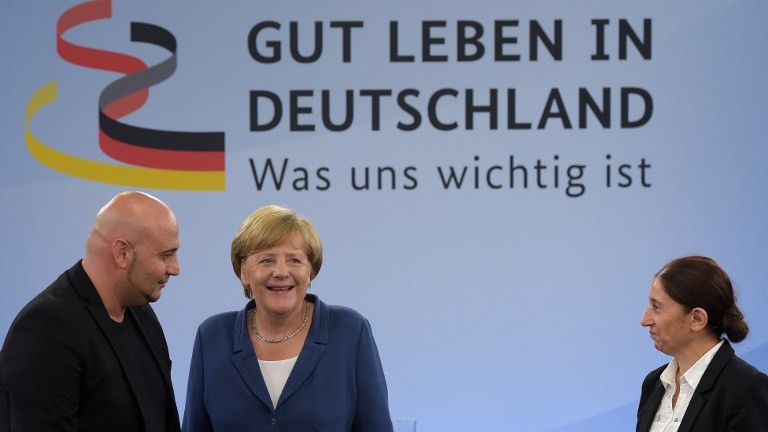
BERLIN — Two refugee shelters targeted earlier this week by neo-Nazis in Germany have been attacked, police said Wednesday, hours before Chancellor Angela Merkel is due to visit a center for asylum-seekers that was hit by violent far-right protests.
A man was seen flinging a Molotov cocktail into a refugee home in the eastern city of Leipzig which was due to house 56 asylum-seekers from Wednesday, police said in a statement.
Only a mattress was burned, as a witness was able to raise the alarm swiftly.
Meanwhile in the town of Parchim, also in eastern Germany, police arrested two men who had charged into a refugee shelter wielding a knife.
Several residents, who were outside when the incident took place, alerted the police after noticing that one of the two suspects was holding a 20.5-centimeter (eight-inch) knife.
Both were shouting anti-migrant comments. Police ran blood tests on them for alcohol levels.
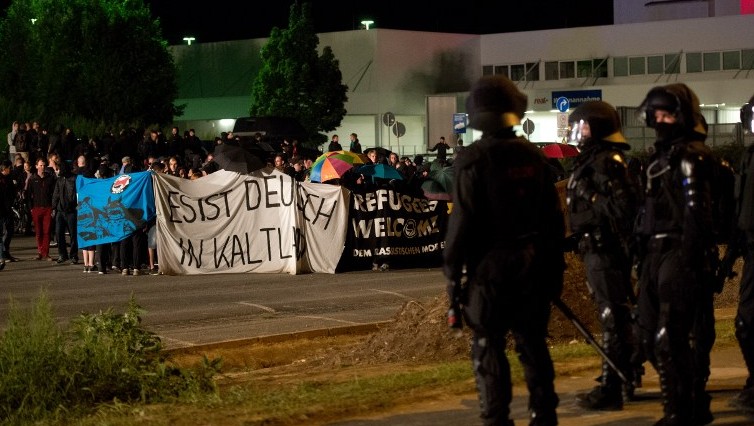
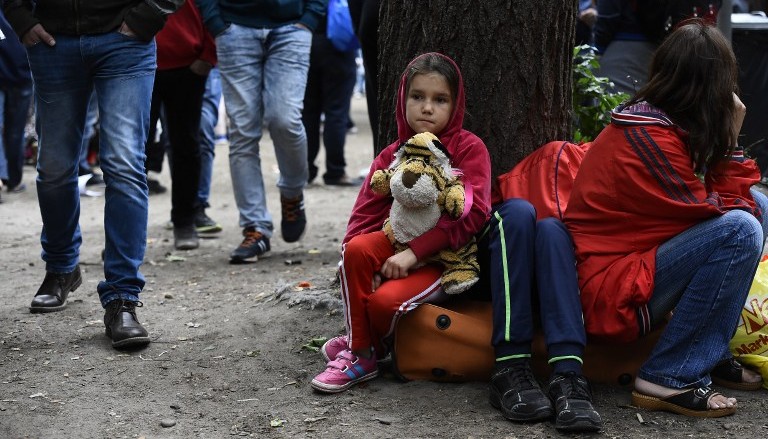
German authorities have been alarmed by a wave of attacks targeting refugee centers, as the country braces to host a record 800,000 asylum-seekers, four times the number taken in last year.
The town of Heidenau, near Dresden in eastern Germany, was the scene of violent protests over the weekend against the opening of a new center for refugees.
Dozens of police were injured when a far-right mob hurled bottles and fireworks at officers in an attempt to prevent asylum seekers from moving into the former hardware store.
Merkel will travel to the center to meet with refugees, volunteers and security staff later Wednesday.
She slammed the protests as “vile” on Monday, reserving her strong words not just for neo-Nazis but also families with children who joined the anti-migrant demonstrations, calling such support for the protests “shameful.”
With criticism mounting over the bloc’s response to Europe’s worst migrant crisis since World War II, regional leaders will meet this week at a summit set to be dominated by the influx.
Merkel’s visit comes as Germany on Tuesday said it had stopped returning Syrian asylum-seekers to their first EU port of entry, becoming the first member state to effectively simplify the application process for those fleeing the brutal civil war.
“Simply put, Europe is in a situation that is not worthy of Europe,” Merkel said earlier, calling for a “dialogue with the people” on how to redistribute the refugees fairly within the EU.
Natasha Bertaud, spokeswoman for the EU Commission, said Germany’s move was “recognition of the fact that we cannot leave the member states at the external borders alone in dealing with a large number of asylum seekers seeking refuge in Europe.”
Under the so-called Dublin rules, the first EU country where an asylum-seeker arrives is usually required to process the claimant’s application.
In practice, this means countries on the EU’s southern borders like Greece or Italy are overwhelmed with applications as thousands arrive on their shores after a dangerous journey across the Mediterranean.
Since the beginning of 2015, more than 2,370 people have drowned in the Mediterranean, already exceeding the death toll for the whole of 2014, according to the International Organization for Migration.
The UN refugee agency called on Europe to “establish a human-rights based, coherent and comprehensive migration policy.”
“Let’s not pretend that what the EU and its member states are doing is working,” said the UN’s special rapporteur on migrants’ rights, Francois Crepeau.
His comments came as Britain announced tough new measures against illegal migrant workers, with those caught working without permits in England and Wales facing up to six months in prison.
AP contributed to this report.








The Times of Israel Community.