

New round of nuclear talks commences in Vienna
Iran, world powers hold expert-level meetings amid worries that the July 20 target date for a deal won’t be met
 Add ToI as a Preferred Source on Google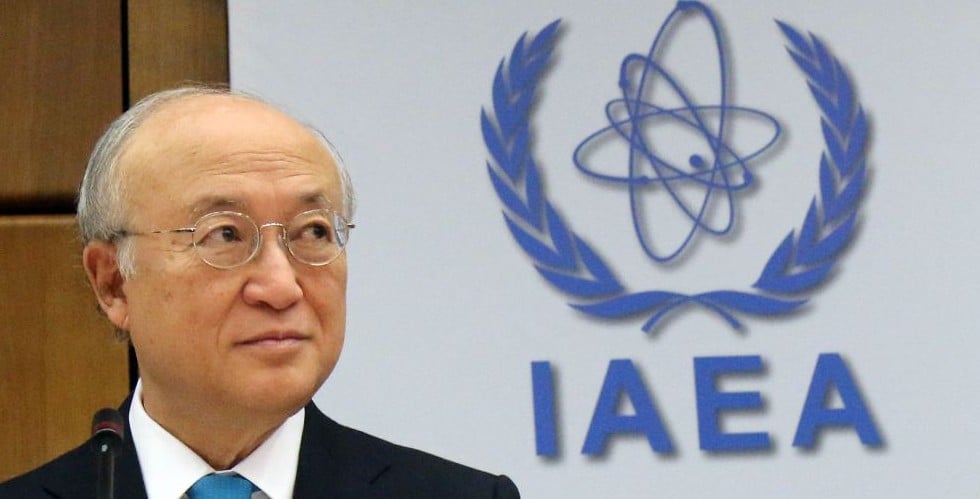
Expert-level talks between Iran and six world powers over Iran’s nuclear program resumed Wednesday in Vienna, amid worries that a final-status deal won’t be reached in time to meet the July 20 target date.
Iran and six world powers have set that date for a deal limiting Tehran’s nuclear programs in exchange for an end to sanctions. The West says the agreement also must include a conclusion on whether or Tehran worked on such weapons — something a recently-restarted UN probe seeks to determine.
But senior US envoy Joseph Macmanus on Wednesday called the informal deadline “ambitious,” with Canadian chief delegate Mark Bailey remarking that such investigations take years.
They spoke outside a meeting of the UN atomic agency conducting the probe. Tehran denies any interest in nuclear arms.
The European Union announced Wednesday that partial progress was made in talks between Iran and the International Atomic Energy Agency (IAEA). However, the US and its allies are sticking to demands that Iran clear up all suspicions it worked on nuclear arms if it wants full sanctions relief by July.
On Tuesday, it emerged that a key sticking point in the negotiations was Tehran’s demand that the P5+1 allow it to continue enriching uranium for its Bushehr nuclear power plant as part of a negotiated solution.
In response, a diplomat from one of the P5+1 countries was quoted by Reuters as saying the possibility that world powers would agree to let Iran produce nuclear fuel was “unrealistic.”
On the eve of Wednesday’s talks, Iran’s moderate president said that his administration will defend the country’s nuclear rights and work to end international sanctions that have devastated its economy.
Hassan Rouhani’s remarks were seen as part of his efforts to defuse claims by hard-liners that he has given too many concessions to the West in return for too little.
“Without a doubt, nuclear power is our definite right,” he said during a ceremony in Tehran marking the 25th anniversary of the death of Ayatollah Ruhollah Khomenei, the founder of the Islamic Republic.
“Resorting to unity and resistance, we will defend interests of Iranian nation,” Rouhani said.
Under an interim deal in November, Iran agreed to cap its nuclear activities in return for an easing of sanctions by the West. The US and its allies suspect Tehran is seeking atomic weapons, but Iran denies the charge saying its aims are peaceful.
The next high-level talks aimed at finalizing a deal will be held later this month.
The deal reached by Iran and six world powers — the five permanent members of the Security Council plus Germany — put limits on Iran’s uranium enrichment program in return for the easing of some sanctions. Core sanctions, however, remain in place — including measures targeting Iran’s oil exports, the pillar of its economy.


The Times of Israel Community.