

On Syria, Obama seeks to hold the public’s trust
Losing the nation’s confidence now would make it incredibly difficult for the president to wield influence on the world stage
 Add ToI as a Preferred Source on Google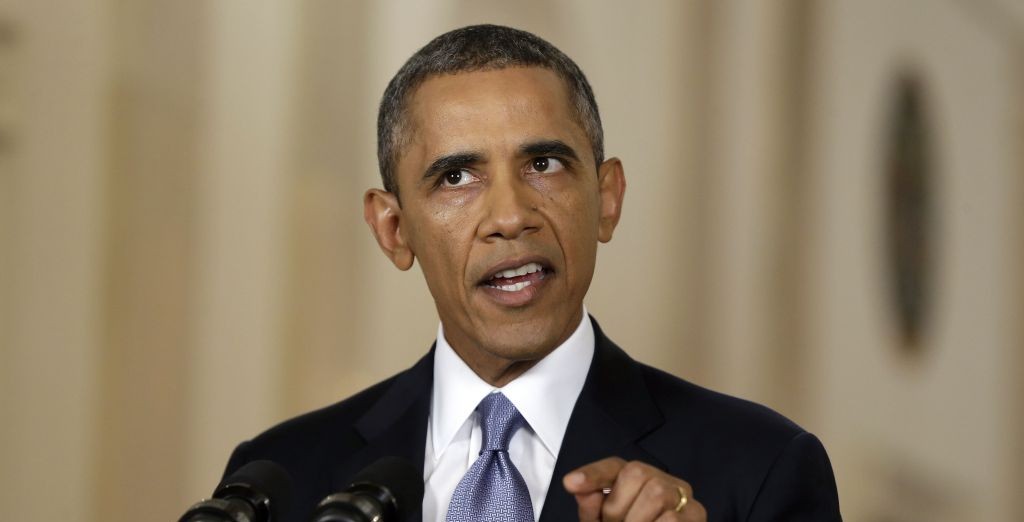
WASHINGTON (AP) — US President Barack Obama wasn’t just seeking Americans’ support on military action in Syria. He also was seeking their trust.
Whether he earned it will not only impact his decision on how to respond to the use of chemical weapons in Syria’s civil war but also his legacy as a world leader and the success of his broader second-term priorities.
With the majority of Americans against the use of force in Syria, Obama asked them Tuesday to trust his judgment as commander in chief if he launches a strike despite their opposition. And he was asking them to trust that a president elected to end wars was still seeking another way out, perhaps a diplomatic deal at the United Nations to secure Syria’s chemical weapons.
“I know that after the terrible toll of Iraq and Afghanistan, the idea of any military action, no matter how limited, is not going to be popular,” Obama said during a prime-time address from the White House, adding that he has a “deeply held preference for peaceful solutions.”
No matter the outcome of the Syria standoff, keeping the public’s trust is a daunting task for Obama at a critical stage in his second term. With trust intact, Obama has space to maneuver on Syria and other issues.
But should he lose the public’s confidence, Obama would find it incredibly difficult if not impossible to wield influence on the world stage, much less persuade Congress to pass an immigration overhaul, rally support for budget issues or build backing for critical elements of his signature health care law.
Politicians of all stripes would have little incentive to follow a weak president if the public — the people who actually vote for them — don’t trust him.
The president’s pitch to the public became more complicated in the hours leading up to the address as the framework for the deal to transfer Syria’s chemical weapons to the international community emerged. Obama called the deal, first proposed publicly by Russia, a potential breakthrough, but expressed skepticism about its feasibility. And he has made clear that the proposal will only be successful as long as the threat of US military action remains credible.
Copyright 2013 The Associated Press



The Times of Israel Community.