

Reform leader asks PM about fears for Birthrighters who oppose settlements
In letter to Netanyahu, Rabbi Rick Jacobs says program participants worry they will be banned from Israel under new law
 Add ToI as a Preferred Source on Google
The head of the United States’ largest Reform Jewish organization sent Prime Minister Benjamin Netanyahu a letter on Wednesday expressing concern that Birthright participants could be barred from entering the country due to a new anti-BDS law.
In his letter, Union for Reform Judaism’s President Rabbi Rick Jacobs wrote that the group has heard concerns from a number of participants in upcoming Birthright trips that due to their “opposition to settlement expansion, they will be stopped at the border when they land in Israel.”
In March, the Knesset passed legislation that prevents foreign nationals who have publicly called for a boycott of the Jewish state or work on behalf of an organization that advocates these measures from entering Israel.
“These are young people raised in our Movement who are active in a range of Jewish organizations on their campuses where they face nearly daily situations where they are put on the front line of defending and explaining Israel. Now, they find themselves in this very difficult and troubling situation,” he said.
“It would be detrimental to our mission and to our wish for Israel to be not only a homeland for all the Jewish people, but a true light unto the nations, were this new legislation to deter some of the best and brightest among our youth who are asking the questions we taught them to ask and are searching for a way to live a life infused with the Jewish values we hold so dear.”
Jacobs said American Jews deserved to have a clear idea of what to expect when they arrive in Israel.
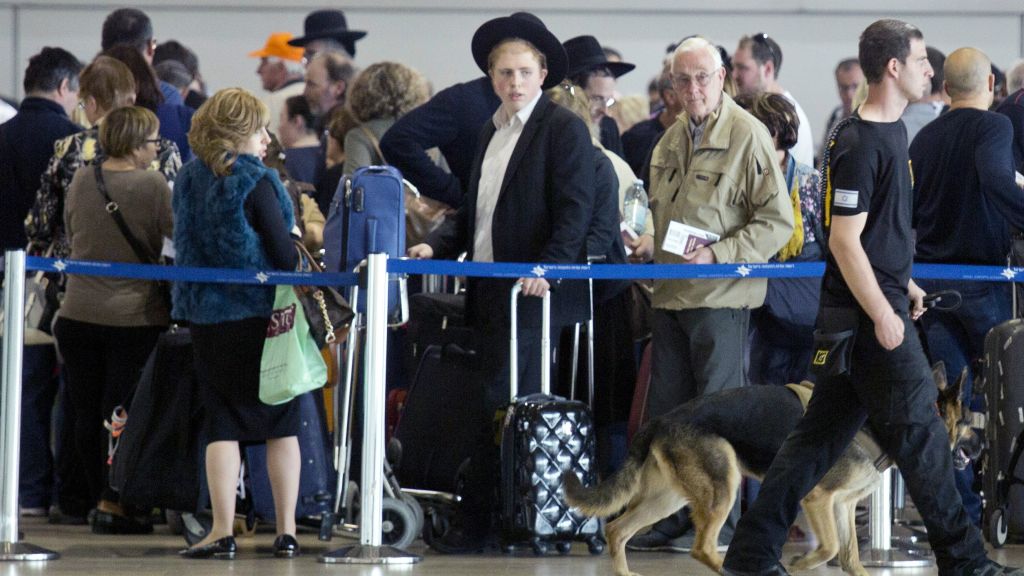
In addition, the law extends to supporters of boycotts of West Bank settlement products, resting on a legal definition of an Israel boycott in a 2011 law that includes all “areas under its control.”

After the legislation was passed, the Union of Reform Judaism condemned the law, as did the other Jewish American groups such as the Anti-Defamation League and the American Jewish Committee
Jacobs also said in Wednesday’s letter that while he is a “fierce personal opponent of BDS and boycotts against Israel,” he is concerned that the new law is “counter-productive” and may harm the Jewish state’s outreach efforts to Jews worldwide.
“I am frustrated that by passing this law, the Israeli government has, in essence, posted a giant sign by the door of the Jewish state saying, ‘Don’t come unless you agree with everything we’re doing here.'”
Israel in December for the first time refused entry to a supporter of the Boycott, Divestment and Sanctions (BDS) campaign. Isabel Piri, from Malawi, arrived at Ben Gurion International Airport as a tourist, but was refused entry as information available to immigration control showed Piri was active in the World Council of Churches, which supports boycotting products from West Bank settlements.
In February, Israel prevented Human Rights Watch Israel and Palestine Director Omar Shakir from entering the country for the second time in less than a month due to his past pro-BDS activism, but in March he was allowed into the country and on Wednesday he was granted a one-year work visa by the Interior Ministry.








The Times of Israel Community.