

Yoohoo Knesset, anybody home?
Op-ed: While Netanyahu charted Israel’s strategy on the Iran deal, those elected to provide oversight were out to lunch
 Add ToI as a Preferred Source on Google
Tal Schneider is a Political Correspondent at The Times of Israel
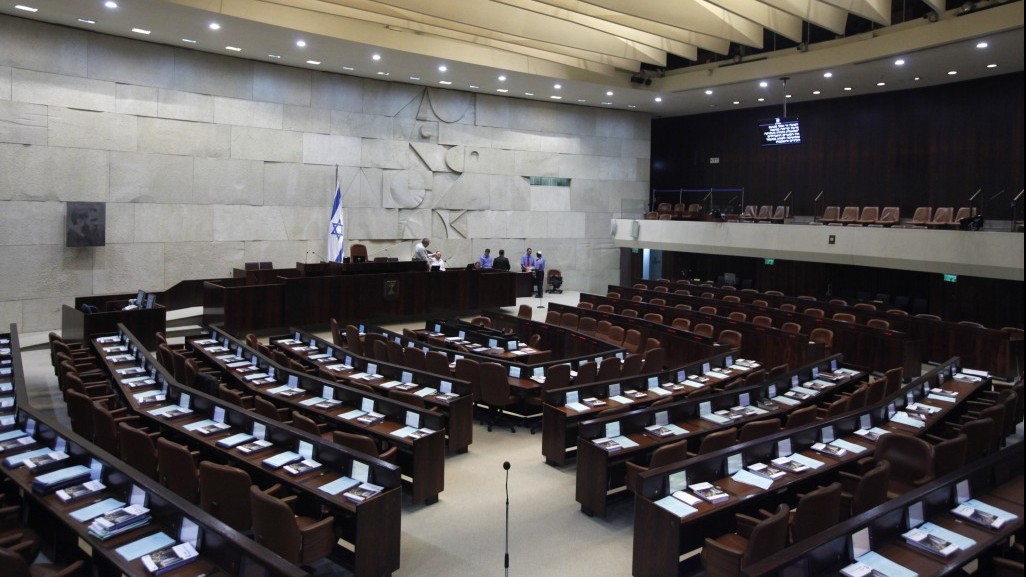
The Knesset is busy with the topic of the day: the signing of the deal between the Western superpowers and Iran. Notwithstanding Yair Lapid’s criticism of Prime Minister Benjamin Netanyahu (that owing to the deal, he has failed and should resign), it’s worth asking just how much the members of Knesset tried to critique or oversee Netanyahu’s management of the talks with the United States and other countries regarding the Iranian nuclear program.
The Knesset’s Foreign Affairs and Defense Committee contains the Subcommittee for Intelligence and Secret Services and the Subcommittee for Security Doctrine. Did anyone there hold a single meeting about Israel’s foreign relations with the Americans or the Europeans, or, for that matter, about anything having to do with the agreement on Iran’s nuclear program?
Keep in mind that the direct talks between the Western superpowers and Iran began in early 2013. There were secret talks at first between the United States and Iran, and starting with the Iranian elections and Hassan Rouhani’s taking office as president in the summer of 2013, the talks became open and expanded to include the P5+1.
We found out this week that the Foreign Affairs and Defense Committee, including its current chairman (Tzachi Hanegbi) and its previous one (Ze’ev Elkin), both of the Likud party, had no clue that two Israeli citizens had crossed the border into enemy territory. That being the case, what did they or the other MKs who sat on the Foreign Affairs and Defense Committee’s subcommittees over the past two years know about the talks between Netanyahu and other heads of state about the Iranian nuclear project?
Did a single discussion on Israel’s foreign relations take place since the personal relationship between Netanyahu and US President Barack Obama worsened? Judging by MK Ofer Shelah’s harsh statements about the level of oversight during Operation Protective Edge, we can assume that nothing was done about the Iranian issue. The Foreign Affairs and Defense Committee, it seems, is a kind of fiction.
Even when Tamir Pardo said the Palestinian issue, not the Iranian one, should have been the state’s highest priority as a major threat, Knesset members didn’t bother challenging Netanyahu’s leadership or the defense priorities that he has defined. After all, what does Pardo know? He’s only the director of the Mossad
Since much Foreign Affairs and Defense Committee information is classified, it is hard to get unequivocal answers. But two facts are well known: First, from November 2013 to half a year later, when a vocal and ludicrous smackdown over the Committee chairmanship created a management vacuum, the Committee operated with no chairman and almost no meetings. And second, from December 2 until about a month ago, the Knesset was busy with elections, forming the government and other matters, and during that time, what went on there? Zip, zilch, nada. Nothing. The supervisory branch of the Israeli Knesset does not actually function.
Netanyahu said today, as a sort of indirect reply to Lapid, that Iran would have had a nuclear bomb already had it not been for his intervention. This assertion conflicts with the Americans’ claim that the direct talks that took place over the past several years were what delayed Iran’s nuclear development program.
From a political viewpoint, it seems that no one in Israel is interested in arguing with Netanyahu over these facts or thinks it proper to do so (yes, it is complicated, since many of the details are classified). So if we look from the rightmost benches to the leftmost ones, Netanyahu’s statements about the Iranian nuclear program are drawing no real challenge. Even Yair Lapid’s assertions against Netanyahu have come at a very late stage, starting a week ago, and they are more about the outcome toward which Netanyahu was headed than about the actual content of his assertions.
All of which begs the question, why do we need the Foreign Affairs and Defense Committee and its subcommittees at all if Israel has, for years, been conducting its foreign relations on such a sensitive issue as the Iranian nuclear program with no oversight?










The Times of Israel Community.