

34 days of uncertainty: Bereaved father writes about loss of IDF lookout soldier Roni Eshel
Realizing he alone could obtain answers, first-time author Eyal Eshel hunted for clues of his child’s fate, while taking the government to task for ‘breaking a social contract’
 Add ToI as a Preferred Source on Google
Jessica Steinberg, The Times of Israel's culture and lifestyles editor, covers the Sabra scene from south to north and back to the center
It took a total of 34 days after the Hamas-led terror onslaught on October 7, 2023, for Eyal Eshel to find out that his missing daughter, surveillance soldier Roni Eshel, had been killed.
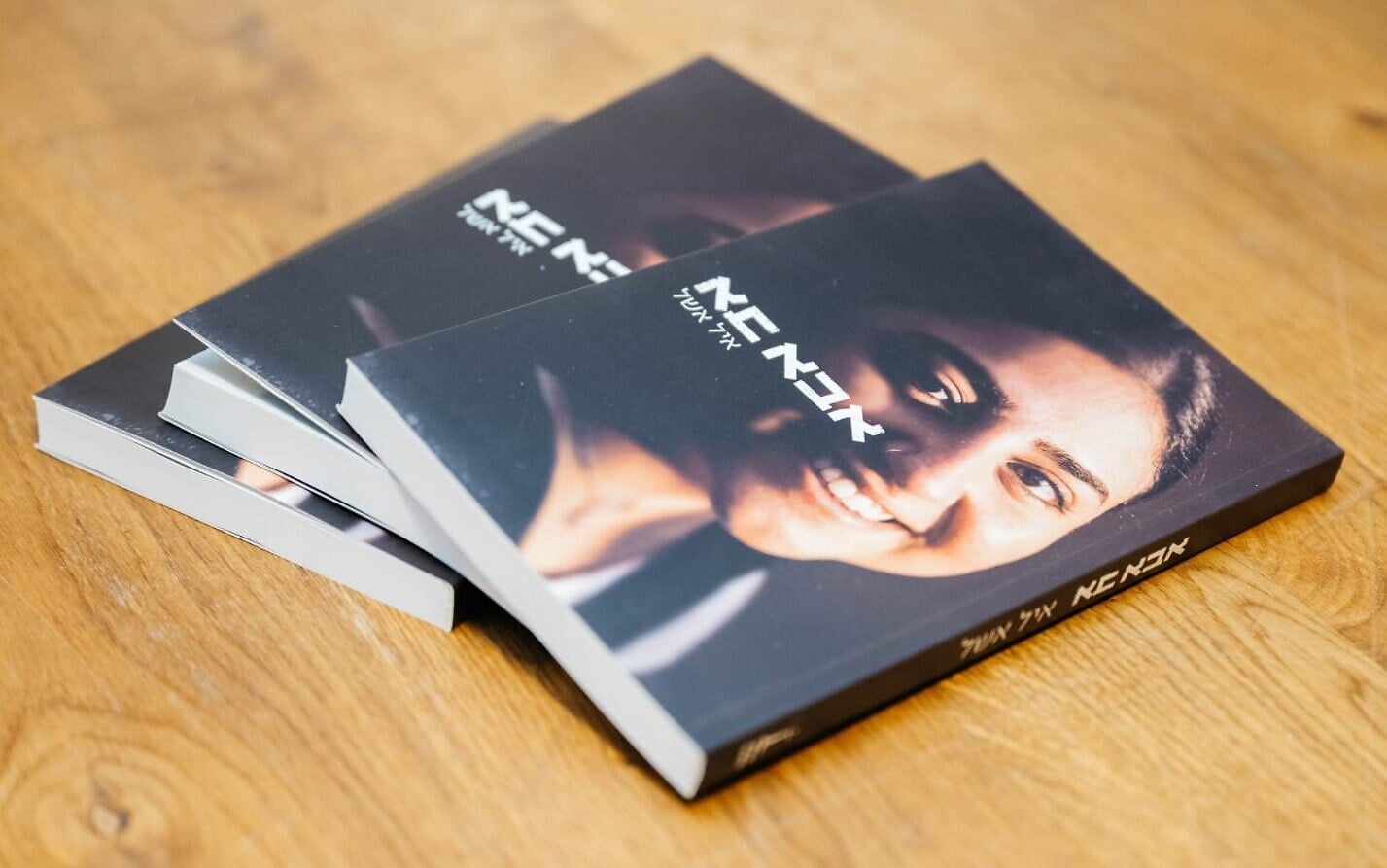
Eshel writes about those 34 unbearable days in “Abba Ba” (“Dad is Coming”), published by Sella Meir.
It’s a story that begins on October 7 and ends with Eshel’s funeral 34 days later, on November 12, 2023.
“I did it for the theater of the absurd that we’re living in,” said Eshel at the book launch on Thursday night. “This whole event could have been avoided, and I had a stomach full of pain that had to be emptied.”
Eshel wrote the 238-page Hebrew book together with veteran author Galila Ron-Feder-Amit. An English translation is upcoming.
Roni Eshel was considered missing for more than a month, as her parents begged publicly and desperately for information. On November 9, the IDF finally confirmed that she had been killed during the initial attack.
She had been in the army for a year and two months and had warned her superiors numerous times that Hamas terrorists were studying the border in preparation for something unknown, her father has said in multiple interviews.
Eyal Eshel remembers Roni telling him that when she turned 19 in September 2023, several weeks before the October 7 attack, a Hamas terrorist held up a sign from the other side of the Gaza border fence that read, “Happy birthday.”
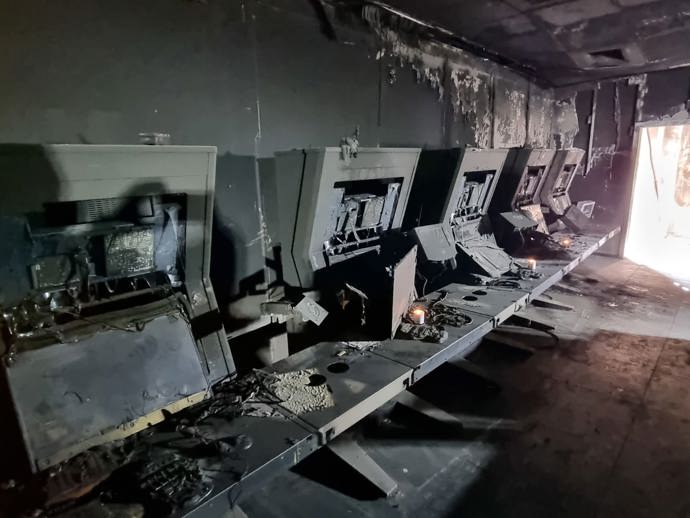
Eshel was killed at the Nahal Oz base by infiltrating Hamas terrorists just after midday on October 7, along with more than a dozen of her fellow surveillance soldiers.
Fifteen surveillance soldiers were killed on Eshel’s base on October 7, and six were taken hostage.
“If I’d known the destruction that would happen in that place, I wouldn’t have let them be there,” said Eshel. “Those girls had no ammunition.”
Afterward, said Eshel, no one from the government spoke to the bereaved parents.
“Almost from the first hour of October 7, I understood that we were alone and no one was calling us and no one was talking with me, and that I had to investigate myself what happened there,” Eshel told The Times of Israel. “After 34 days, after gathering snippet after snippet of information, I understood how big the disaster was.”
Over the last two-plus years, Eshel has become a familiar voice in the repeated call for a state commission of inquiry into the government and military failures that led to the October 7 disaster.
At the Thursday night book launch, he described his sense that the writing of the book was an act forced upon him, and his deep need to tell Roni’s story to the world so that she wouldn’t simply be a soldier killed in the army, “the same army that wasn’t there for us on October 7,” Eshel said.
“There are only painful truths in this story. It’s the story of a family, of a nation that was broken, and a girl who didn’t come home because of a contract that was broken,” he said, referring to the implicit “social contract” between the military and Israeli society to protect its soldiers.
Eshel told the audience that he knew that Roni’s military service wasn’t a perfect experience. She would tell her parents about what she and the other surveillance soldiers saw taking place on the border with Gaza; Eshel wanted to call her superiors, but she wouldn’t let him.
“There are many details the public doesn’t know,” said Eshel, who spoke about visiting his daughter’s base regularly after the October 7 massacre so that he could be in the last place his daughter had been alive, to understand what took place there.
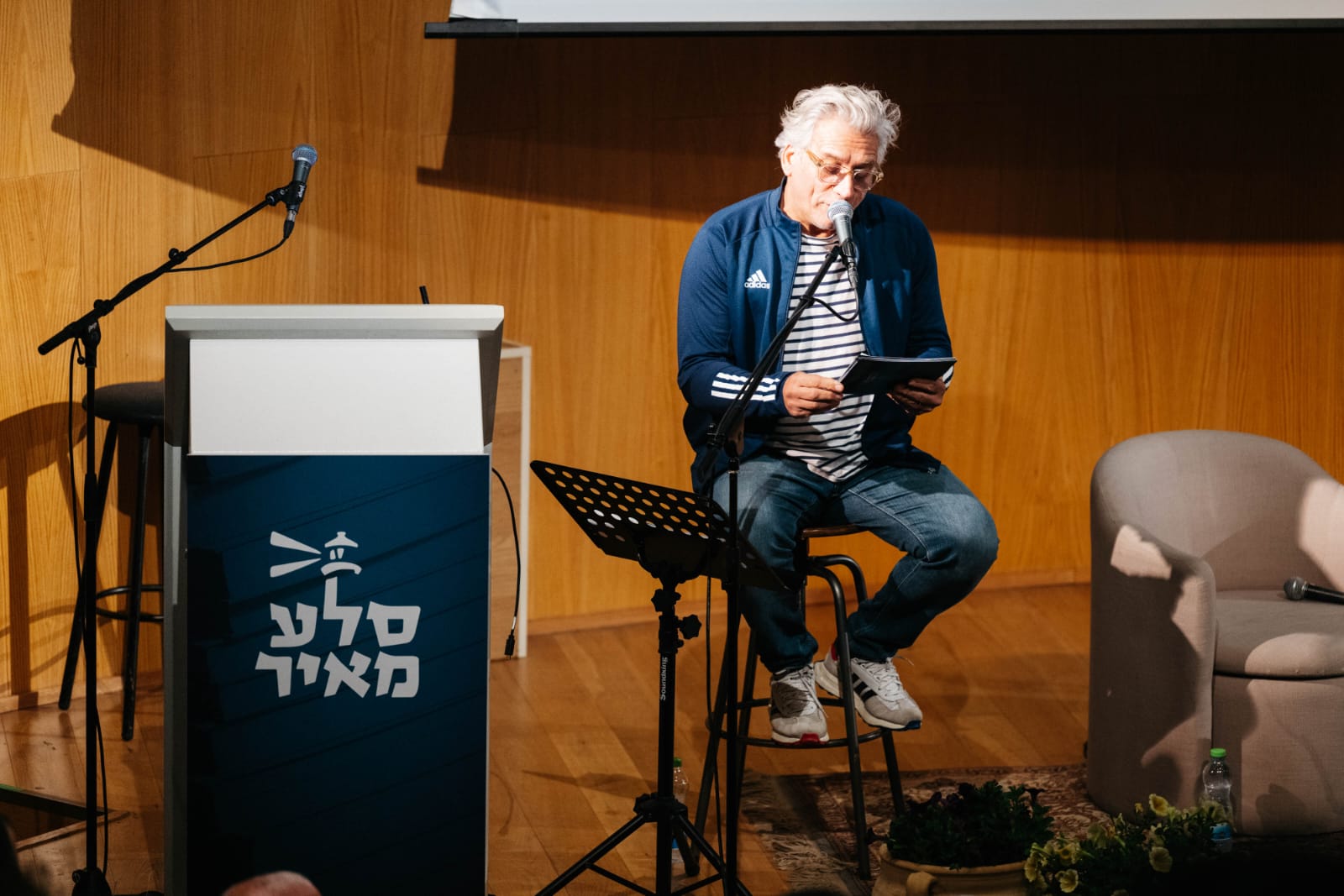
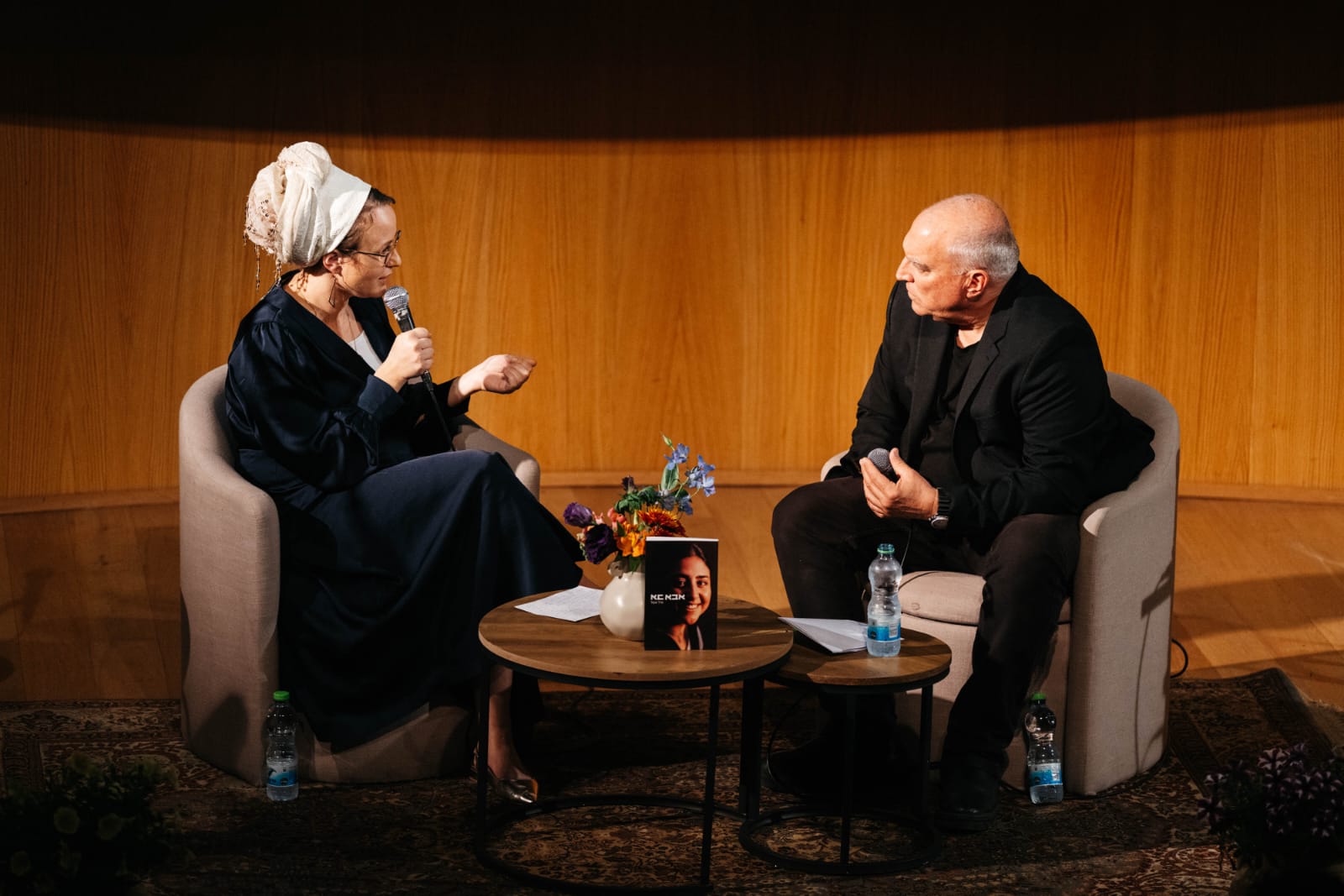
Throughout the deeply moving event at ANU Museum, which included excerpts from the book read by actor Lior Ashkenazi, music played by Ariel Horowitz, and a conversation between Eshel and his editor, Leora Levian, an audience that included many bereaved family members listened in complete silence as Eshel spoke about the process of putting his thoughts and feelings on paper.
Eshel said he wrote the book not as a creative work, but to broadcast what happened to Roni, to his wife Sharon, to him, and their two other children, Yael and Alon, as well as to the Israeli nation.
“There’s no distance from what happened; it happened here in Israel, on a holiday, on a Shabbat,” said Eshel. “The tears continue to fall, and they’ll be with us for years to come.”
Eshel, 56, went back to his work at the Agriculture Ministry a year and a half ago. He also returned to reserve duty with his longtime army unit, supporting combat units.
His younger daughter, Yael Eshel, was drafted into the army in November 2024, a year after her older sister was buried.
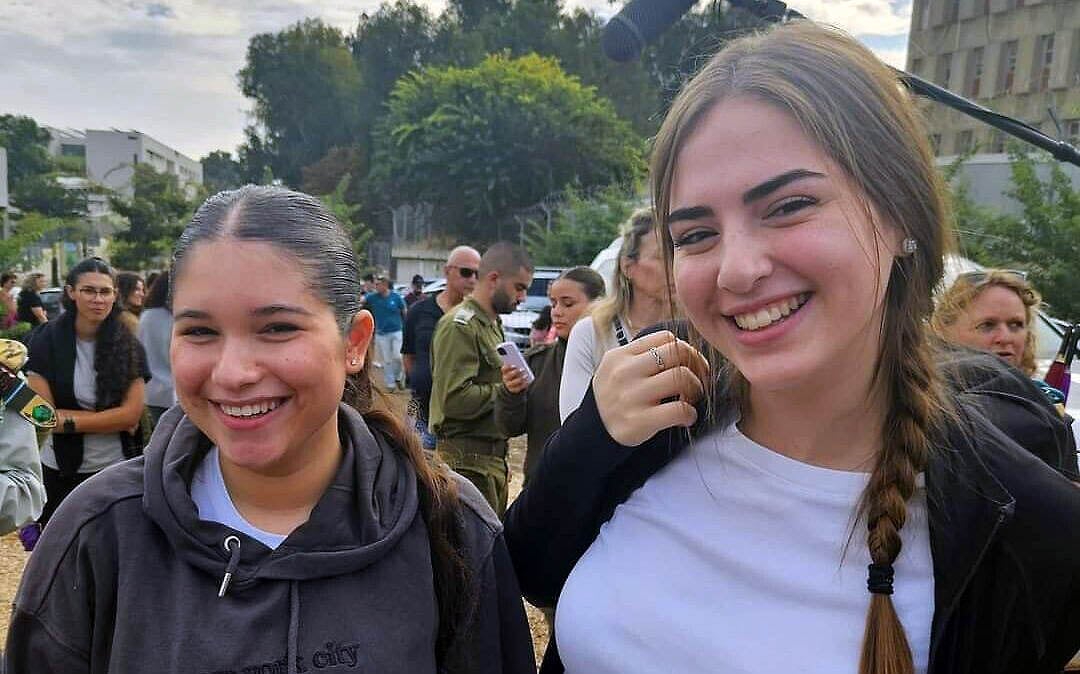
“It’s our army, it’s my state,” he said. “I have to do everything in order to make a difference.”
When asked if he planned to join politics, Eshel deferred, commenting only that he would take on the next challenge at the right time.
“The State of Israel must have a change, there must be a correction of what happened here,” he said. “I want to hope that I will also have the chance to change and fix things.”
Eshel said that just as Roni understood the meaning of the term responsibility, he offers that word as a message for the current and future governments — as well as for Israeli society.
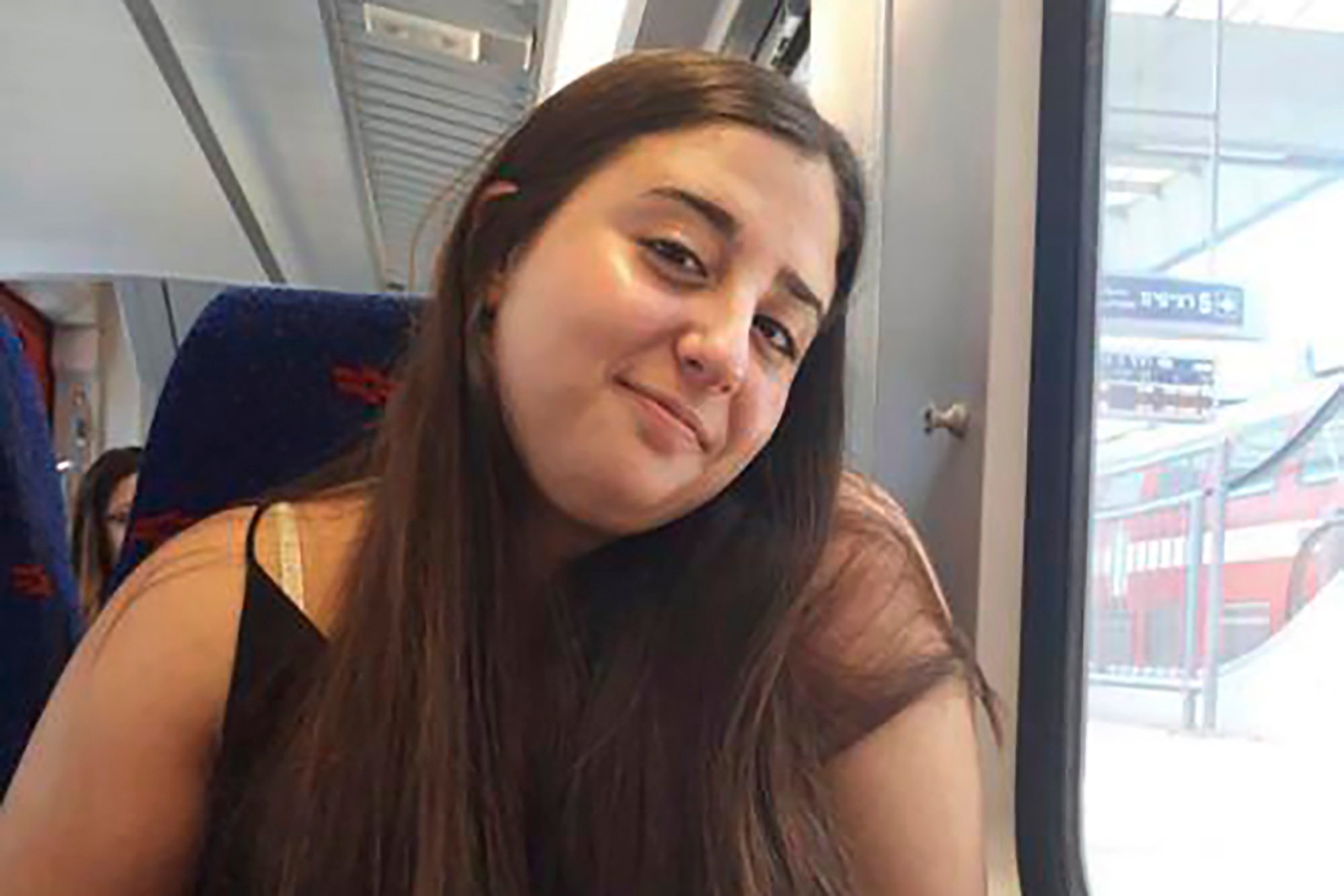
At the end of “Abba Ba,” Eshel writes that he hopes the family will be able to eventually go out for a good meal and enjoy it, to stop wearing black, to feel that life is worth living.
“We’re trying to return to life and create a family routine, and we’re learning to live with the pain and the bereavement,” he said. “It’s a process, and I want to hope that in the axis of time, we will have a life that we had in the past, even though the bereavement will be with us forever.”


The Times of Israel Community.