

Along the border with Lebanon, artists in a Christian Arab village forge on amid war
For painter Rima Khoury and blacksmith Walied Khoury, Hezbollah rocket fire and the evacuation of many residents have hurt emotionally and financially, but art helps them persevere
 Add ToI as a Preferred Source on Google
Reporter at The Times of Israel
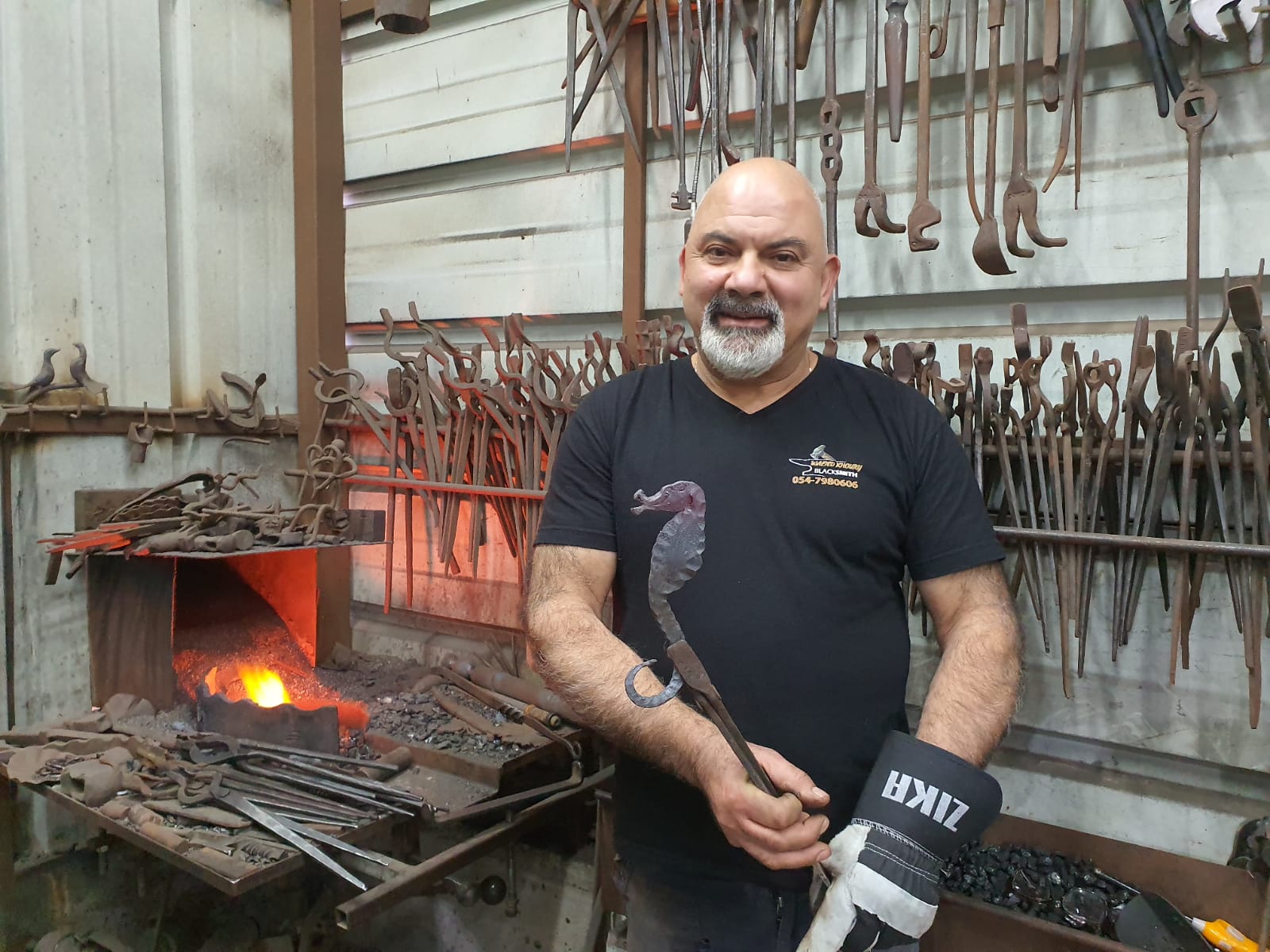
When there is a lull in the Hezbollah rocket fire from southern Lebanon, two artists in Fassuta, a small Christian Arab village less than four kilometers (2.5 miles) from the Lebanese border, struggle to make their art.
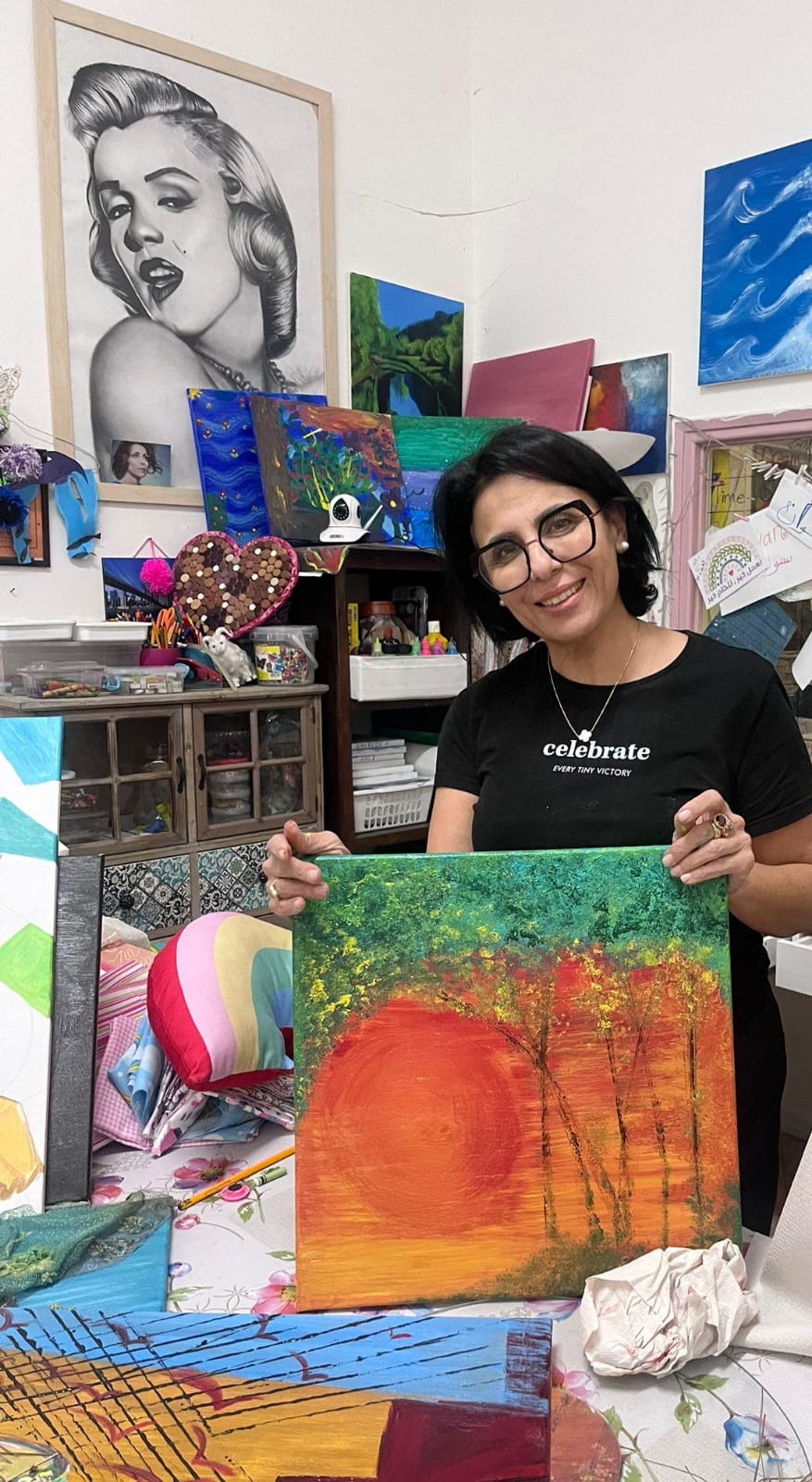
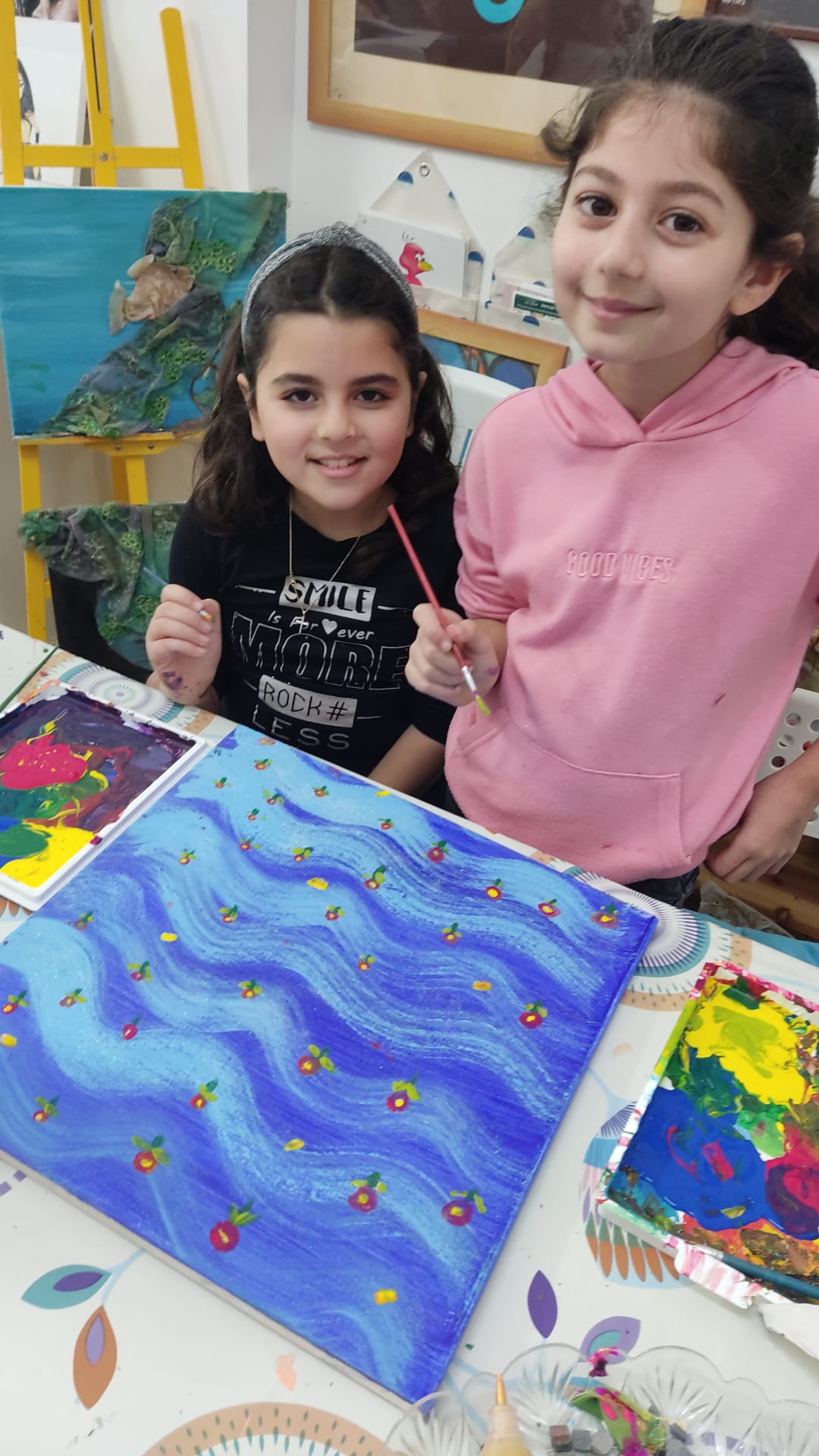
“In the midst of war, I cannot capture or talk about it in words,” says Rima Khoury, an English teacher and the founder of Beit Rima, an art gallery and community center for women and girls in Fassuta. “I’m Israeli, I’m part of this country, and the only way to express what I’m feeling is through art, through colors.”
Khoury has made several paintings since the war began on October 7, when thousands of Hamas terrorists infiltrated southern Israel, slaughtering 1,200 people and kidnapping some 240 more to Gaza, leading Israel to launch a military campaign aimed at returning the hostages and ousting Hamas from power.
But Beit Rima, where she used to teach art classes to girls and host Diwan Nisswan — a women’s club that Khoury says attracted hundreds of women from all sectors around Israel — is indefinitely closed amid near-daily attacks from Lebanon, which Hezbollah-led forces say are in support of Hamas.
“Fassuta isn’t the Fassuta we know,” says Khoury, 54. Although there has been no mandatory evacuation of the the remote village of 3,400, with its winding cobblestone alleys and seemingly timeless way of life, more than half the residents have left and entrance is restricted.
“During the war, every day is a challenge,” she says. “We hear and see the bombs falling. But I try to fill each day with positive activities. Hope is something we’ll never give up.”
Khoury, who holds a master’s degree in gender studies from Bar-Ilan University, said she hopes to restart her art classes son. She misses that, she says, not so much for herself but for the girls. At the village’s elementary school, where she teaches, she has had to shepherd children into the bomb shelter as soon as the sirens go off.
The girls go from “laughing to crying in 60 seconds.”
“This war will take a toll on them,” Khoury says. “Things will be engraved in their memory. We hope we can engrave good memories in them, too.”
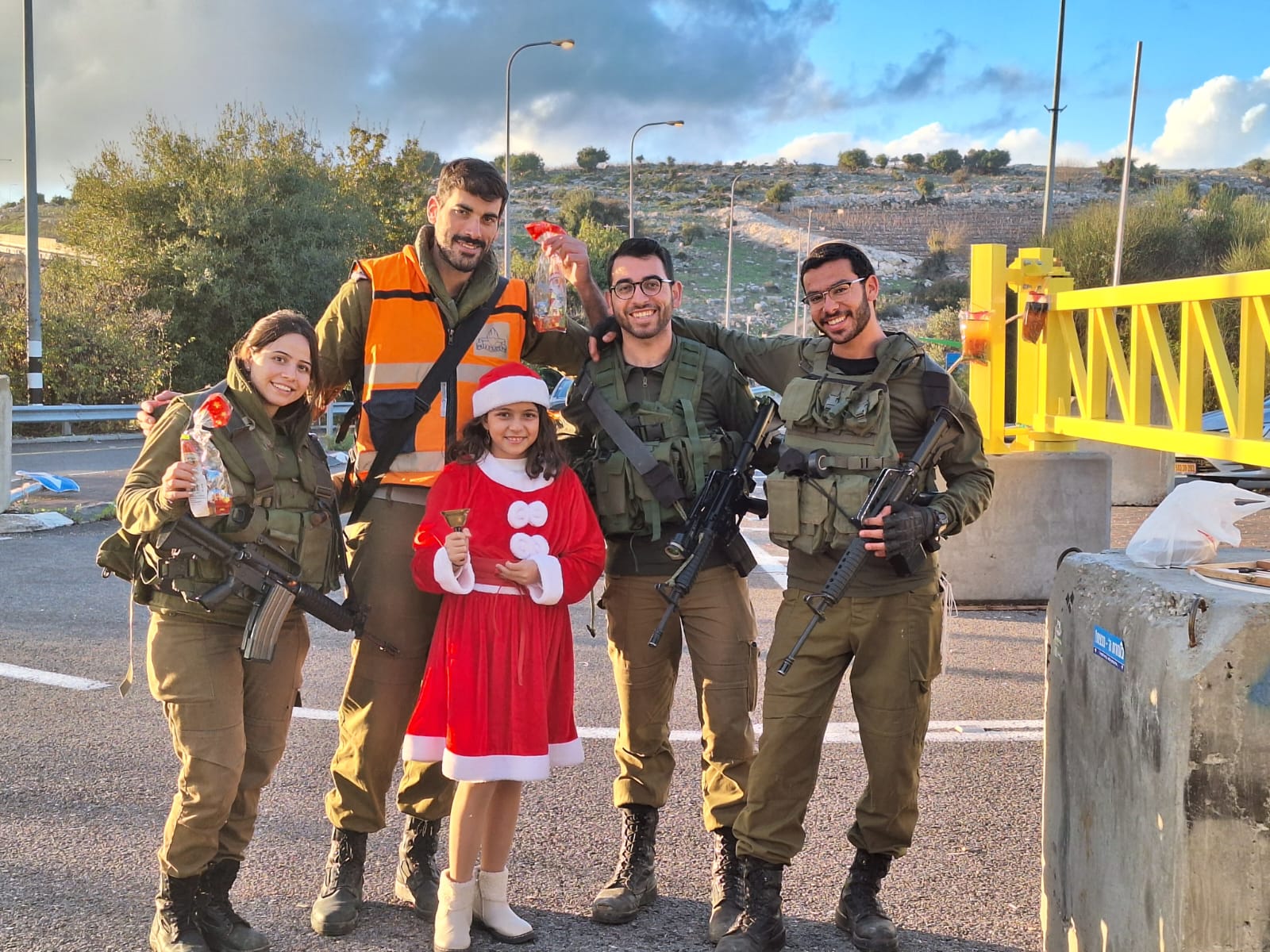
Service in the IDF is not mandatory for village residents, but some men serve in the army as well as in the Border Police. Khoury says that she and the other women in Fassuta often make food for the soldiers stationed near the village.
“We’ve made them soups so they can feel that they have mothers here in addition to their mothers at home,” she says. “On Christmas, some families visited the soldiers. They take care of us and we take care of them.”
Khoury has also invited the soldiers to stay in Beit Rima, which used to be the house of her grandfather, who was the mukhtar, or leader, of Fassuta, and which she renovated. She told the soldiers about the “secret place” where she keeps the key, which, she laughs, “everyone in Fassuta knows about.”
‘I can watch the war’
Nearby, blacksmith Walied Khoury, 56, a distant relative of Rima Khoury, tries to work in his forging studio whenever there seems to be a break in the fighting between Israel and Hezbollah. Walied Khoury is one of roughly eight working blacksmiths in all of Israel.
“If it’s quiet and there aren’t too many rockets, I try to do my art,” he says. “But it’s difficult because to do art, you need to be calm.”
From his window on the front lines with a direct view of southern Lebanon, Khoury says, “I can watch the war.” So far, Hezbollah attacks have claimed the lives of four Israeli civilians and nine IDF soldiers.
In ordinary times, the blacksmith, who has won awards for his sculptures, conducts workshops for visitors where he explains forging techniques and invites participants to try their hand at the ancient craft. Khoury says he prepared bed frames, candlesticks, and decorative items to sell to tourists visiting Fassuta during the annual Christmas festival, the village’s busiest time, but “nobody came.” Instead, he set up an online website, but he is struggling to make ends meet.
“The war brings so much sadness,” he says. “It’s so hard on us spiritually, financially, in everything.”
A former salesman for his parents who had a meat-processing factory, Khoury learned forging out of necessity during the Second Lebanon War in 2006.
Khoury had wanted to repair a metal staircase in his home but there was nobody he could hire to forge it for him. Learning on his own, he found that he liked it. He watched YouTube videos — he heats his iron in a furnace that he learned to build by watching videos — and studied with master blacksmith Uri Hofi from Kibbutz Ein Shemer, who died in 2023.
“We have to believe even though it’s difficult,” says Khoury, who like most of the other villagers is Melkite Greek Catholic.
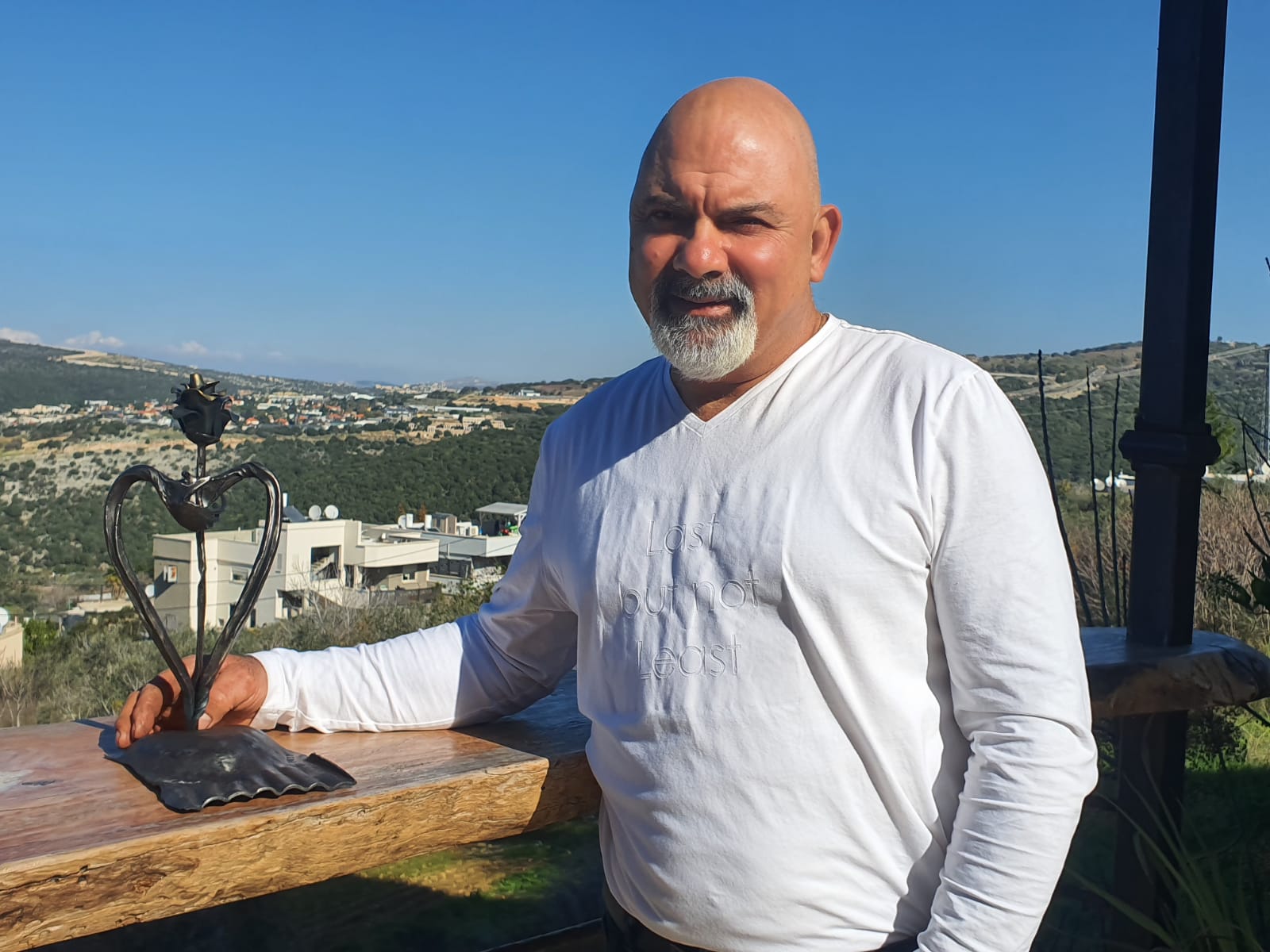
On a recent afternoon during what Khoury sensed was a break in the fighting, he seized the moment to forge a sculpture depicting two hands reaching out in the shape of a heart.
“The hands symbolize two nations reaching for peace,” Khoury says, hoping that “we’ll all go back to our ordinary routines, together.



The Times of Israel Community.