

For many American Jews, High Holidays will be a mix of anxiety and determination
Rabbis across US contend with diverse opinions and security fears following series of attacks on Jewish and Israeli targets: ‘There’s no doubt this is a very precarious moment’
 Add ToI as a Preferred Source on Google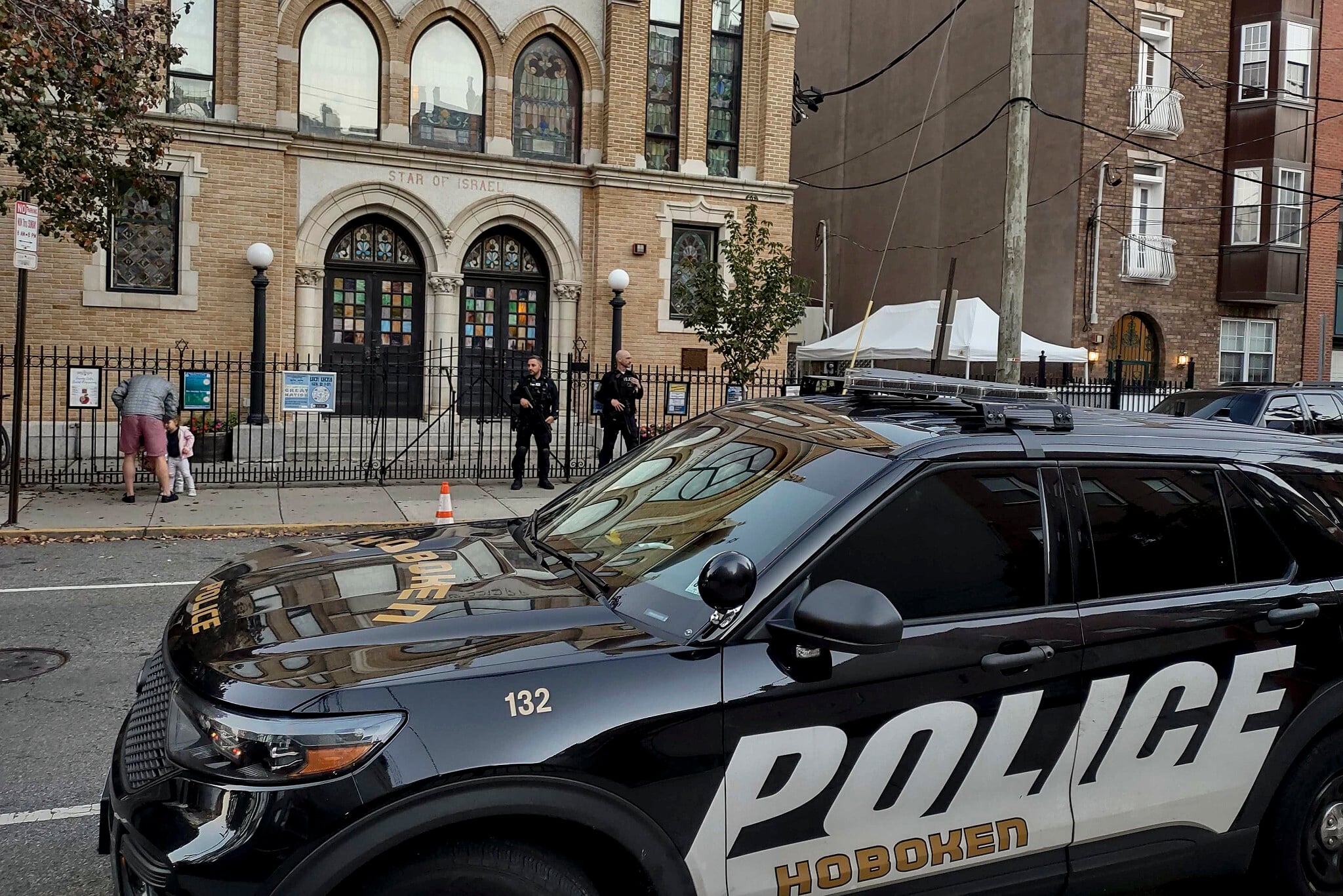
AP — For Jewish congregations across the United States, the upcoming High Holidays — always a compelling mix of celebration and repentance — will be more charged than usual this year.
Rabbis say many of their congregants are worried by a surge of antisemitism, including two deadly attacks in the spring, yet are all the more determined to worship together in the coming days.
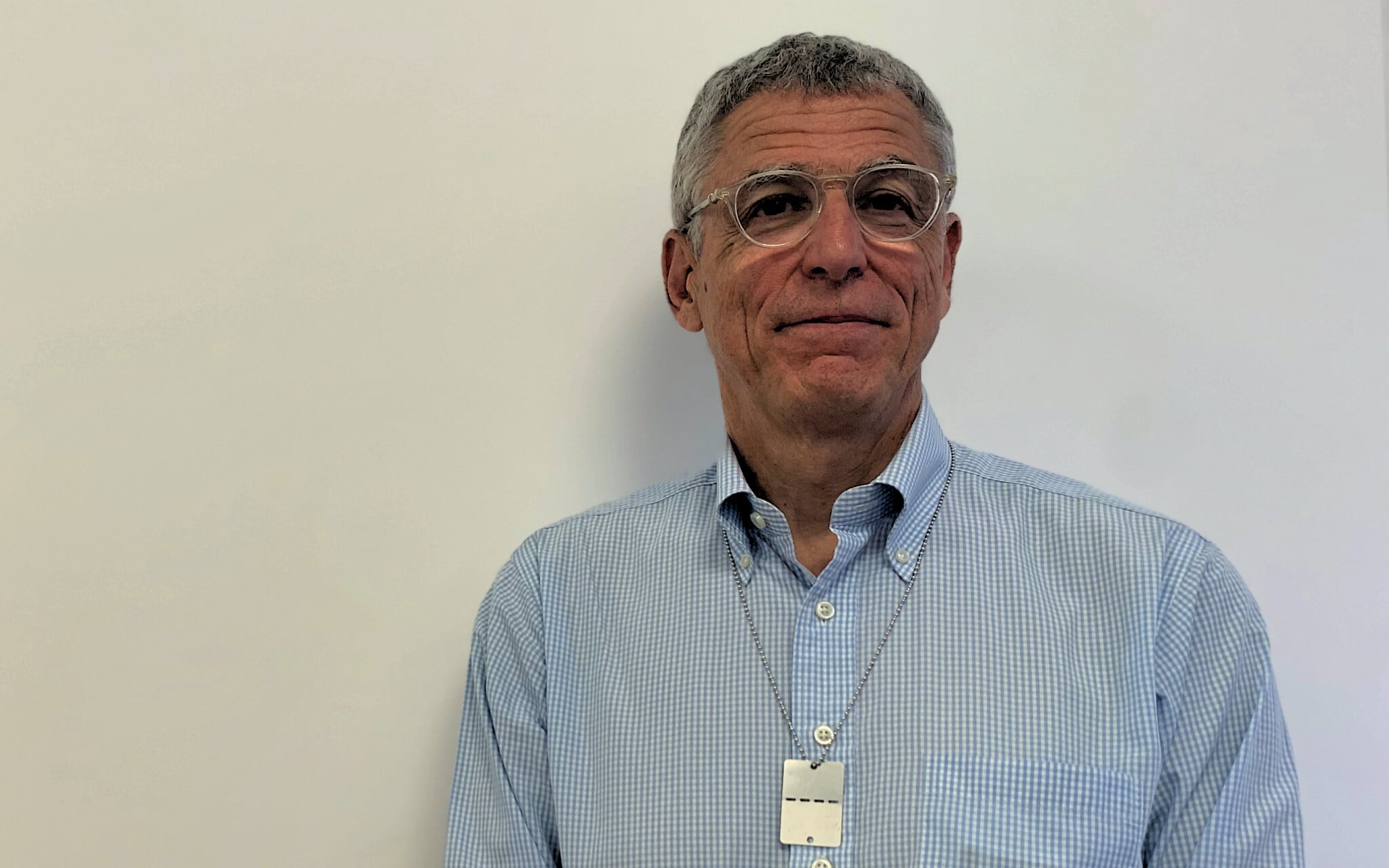
“There’s no doubt this is a very precarious moment,” said Rabbi Rick Jacobs, president of the Union for Reform Judaism. “People are feeling unsettled and vulnerable and also feeling that the High Holidays could not matter more.”
At Sinai Temple, a Conservative synagogue in Los Angeles, Rabbi Erez Sherman said his diverse congregation seems eager to gather side by side.
“Obviously, security is of utmost concern,” Sherman said. “It’s led to people saying I want to be here. I want to be in these pews. And I want to walk out with a proud Jewish identity as well.”
Similar sentiments came from Rabbi Moshe Hauer, executive vice president at the Orthodox Union.
“Our precious country’s atmosphere is currently hate-filled, making this a difficult time for all Americans and certainly for the Jewish community,” he said via email. “Rather than discourage high holiday attendance, this will motivate our community to come together and fill our synagogues with the prayers.”
The High Holidays begin this year on September 22 with Rosh Hashana — the Jewish New Year — and continue through Yom Kippur, the Day of Atonement, which ends at nightfall on October 2.
Attacks put Jewish Americans on edge
The recent assassination of conservative activist Charlie Kirk has put Americans nationwide on edge. For Jewish Americans, there was a stretch earlier this year that violently dramatized the threat of antisemitism.
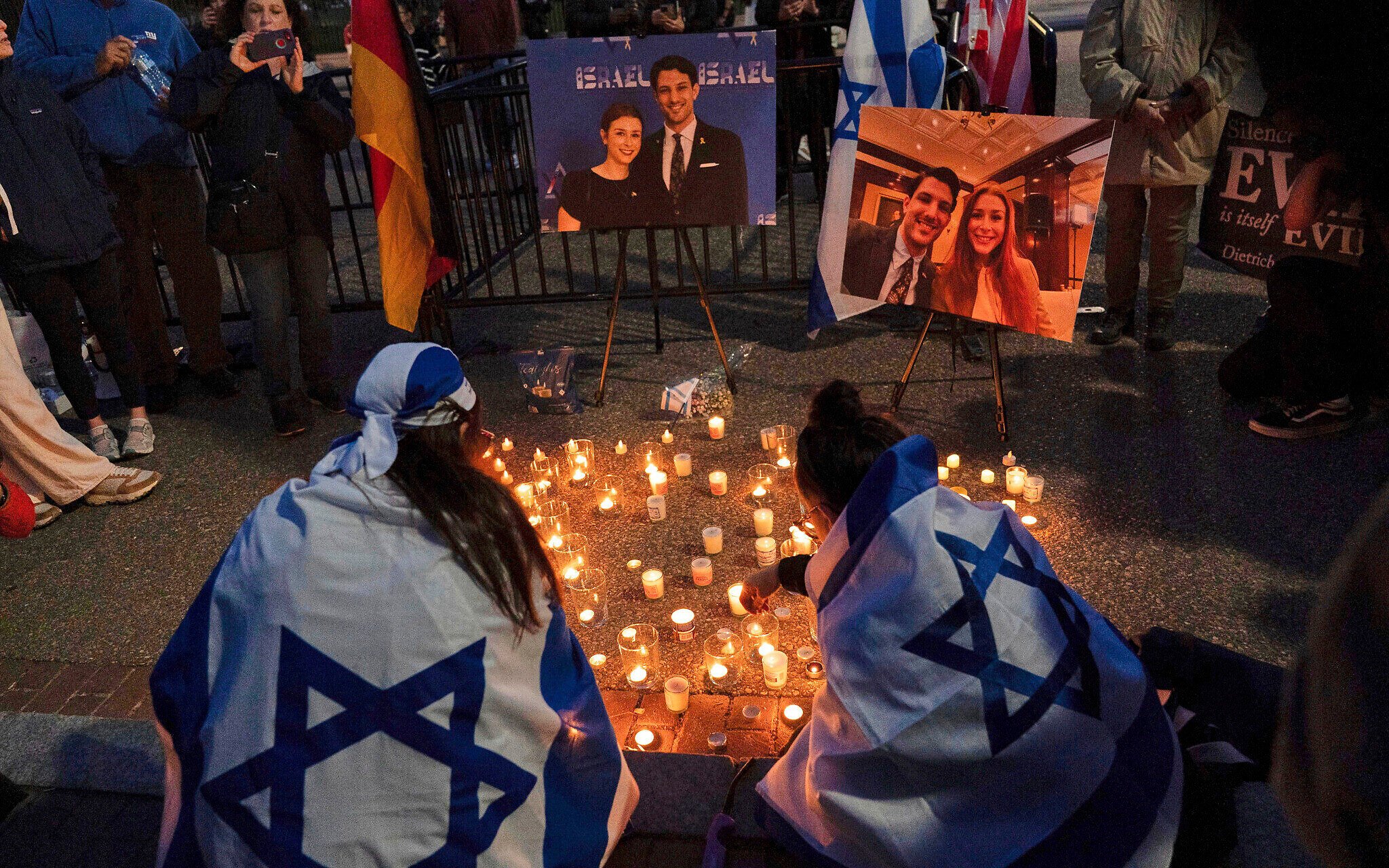
In April, during Passover, the home of Pennsylvania’s Jewish governor, Josh Shapiro, was firebombed. In May, two Israeli Embassy staffers were fatally shot outside the Capital Jewish Museum in Washington.
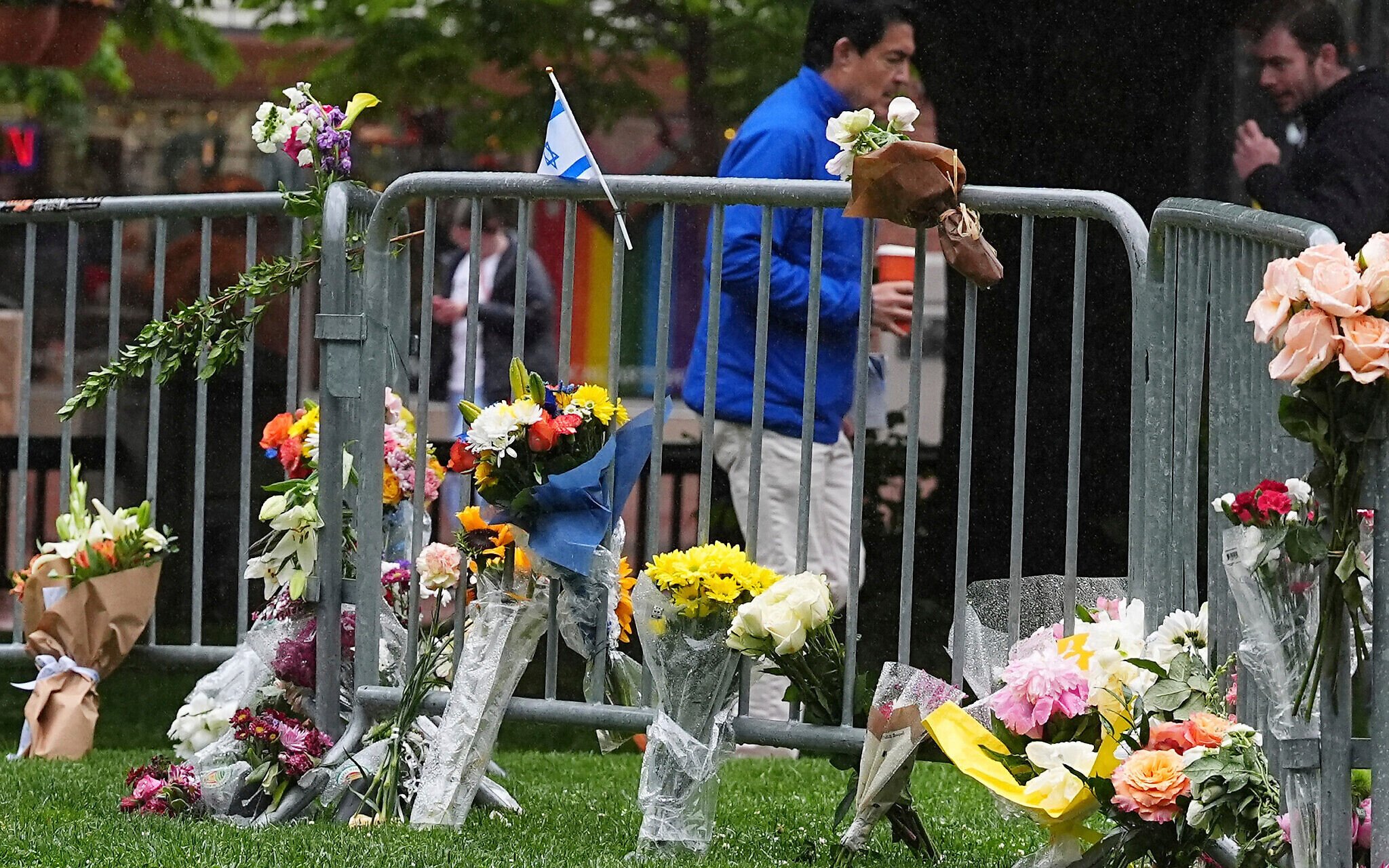
On June 1, an attacker threw Molotov cocktails at people in Boulder, Colorado, rallying to demand the release of Israeli hostages in Gaza; one of those wounded in the attack — an 82-year-old woman — died of her injuries on June 25.
Those attacks occurred as monitoring groups and security experts were reporting an unprecedented surge in the number of antisemitic incidents and anti-Jewish threats in the US since the beginning of the Gaza war, which was sparked when Hamas invaded Israel on October 7, 2023, killing some 1,200 people and taking another 251 hostages.
Leaders of several major Jewish organizations held a briefing Wednesday on Capitol Hill to press their case for more federal funding to help bolster security at Jewish institutions.
“This is a domestic terrorism crisis,” said Eric Fingerhut, president and CEO of Jewish Federations of North America. “We need to be on a war footing to respond.”
In Houston, Rabbi David Lyon of Congregation Beth Israel, used dire language in an email to The Associated Press.
“There is nothing similar to other recent years,” he wrote of the specter of antisemitism. “This is calculated, organized and funded hate.”
Worshipping alongside others with differing views
Like many US rabbis, Lyon serves a politically divided community with diverse opinions.
“In a Jewish setting, where there is nothing close to a Pope or a bishop, we exercise free will and autonomy,” he wrote. “In my congregations, we hear from the left and the right but the role of the rabbis is to locate us on a mutual path of Torah-based values that cherish human life, dignity, peace.”

At Sinai Temple in Los Angeles, Sherman and his wife, Nicole Guzik, serve jointly as senior rabbis.
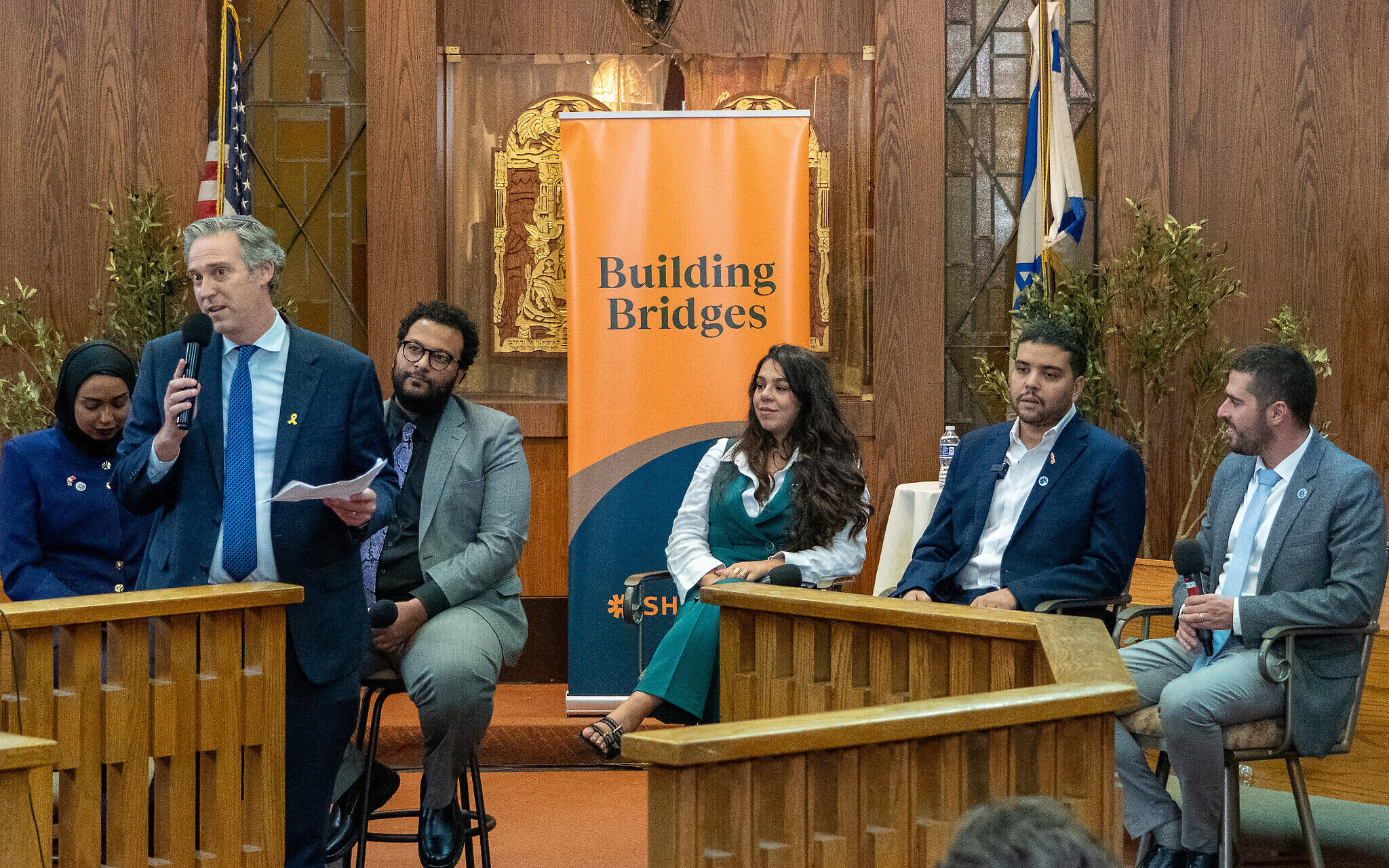
They try to avoid broaching politics from the pulpit, but they schedule events at the synagogue designed so congregants will hear from people with diverse views.
One recent guest was Ahmed Fouad Alkhatib, founder of Realign for Palestine — a project seeking “a new policy framework for rejuvenated pro-Palestine advocacy.”
“I could not be more proud of our congregation,” Guzik said. “They’re willing to listen to viewpoints to which they did not fully agree.”
On #Shabbat, we witnessed the return of Shiri, Ariel, Kfir Bibas, and Oded Lifshitz as Rabbi Nicole Guzik delivered this powerful sermon: https://t.co/9mxEAIhByF pic.twitter.com/sAXb3cNWO5
— Sinai Temple (@SinaiTemple) February 27, 2025
Sinai Temple also has a mental health center, staffed by a social worker, to support congregants affected by antisemitism.
“We want to acknowledge that people are scared and yet at the same time they don’t want to sit at home and hide their Judaism,” Guzik said.
Finding ways to protect worshippers
Rick Jacobs, the Reform Judaism leader, said that for US rabbis in general, “There’s a real sense of an impossible moment, given the rise of deadly antisemitism and the wars that won’t end.”
“The security measures that congregations have to upgrade to is just overwhelming,” he added. “The feeling of being in community — we desperately need that. But you don’t want to tell people something that’s false, like ′Don’t worry.′”
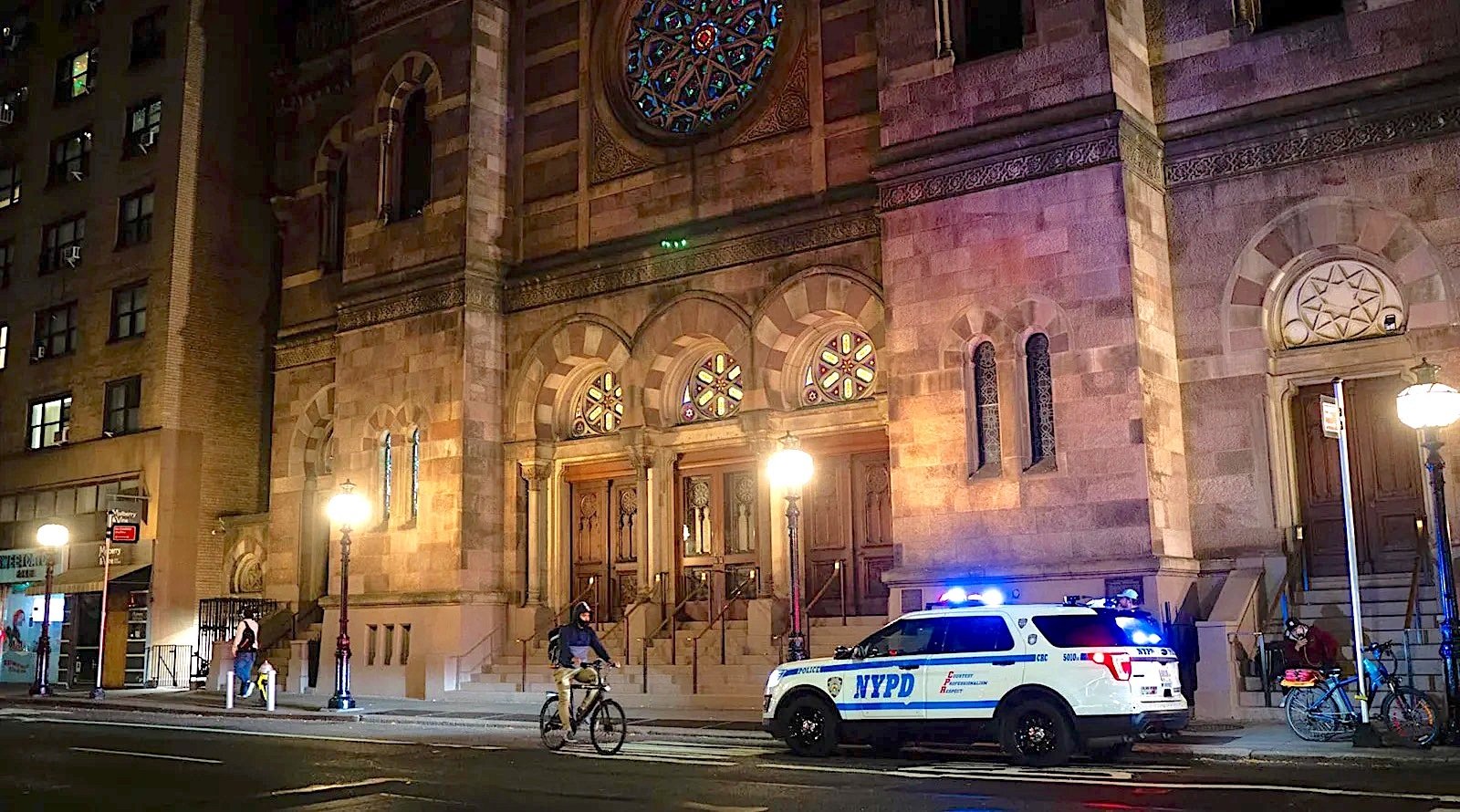
These days, most synagogues employ a layered strategy of security — guards, cameras and various systems for controlling access to events through ticketing, registration or other forms of vetting, according to Jewish security experts.
The Secure Community Network, which provides safety advice to Jewish institutions throughout North America, highlighted the issue of synagogue security earlier this month in a report titled “Weapons at Worship.” The network has reported that firearms sales are surging among US Jews.
The report’s primary recommendation: If a house of worship is going to allow individuals to carry firearms, it should do so through an organized and well-trained security team, acting in coordination with law enforcement. The report recommended prohibiting individuals from carrying firearms in their personal capacity outside the structure of such a team.
SCN’s previous reports advise that if a congregation determines that armed security will be a part of its plan, employing uniformed police officers is the best option.
Michael Masters, the SCN’s national director and CEO, said the Jewish people have survived for centuries “in unique and challenging threat environments.”
“This moment, though, for Jews in the diaspora and especially in the US does feel different,” he told the AP. “The Jewish community and others have to be concerned about their physical safety and security just to practice their religion.”
Temple Bethel in Augusta, Maine, is one of many congregations following that advice. Rabbi Erica Asch, in the temple’s newsletter, said a uniformed, off-duty police officer would be present outside the synagogue during High Holidays services and events.
“This year, I’ve heard from many of you that are feeling particularly unmoored, concerned and worried,” Asch wrote in the newsletter. “So during the High Holidays, I’ll be focusing on how to find our footing in a world that seems uncertain, and how to follow our own moral compass no matter what may come our way.”
Times of Israel staff contributed to this report.




The Times of Israel Community.