

Hezbollah ally warns Lebanon faces ‘ball of fire’ as cabinet set to debate disarmament
Lebanese government to convene Friday to discuss plans for disarming terror group, which could prompt walkout from Hezbollah’s Shi’ite partners
 Add ToI as a Preferred Source on Google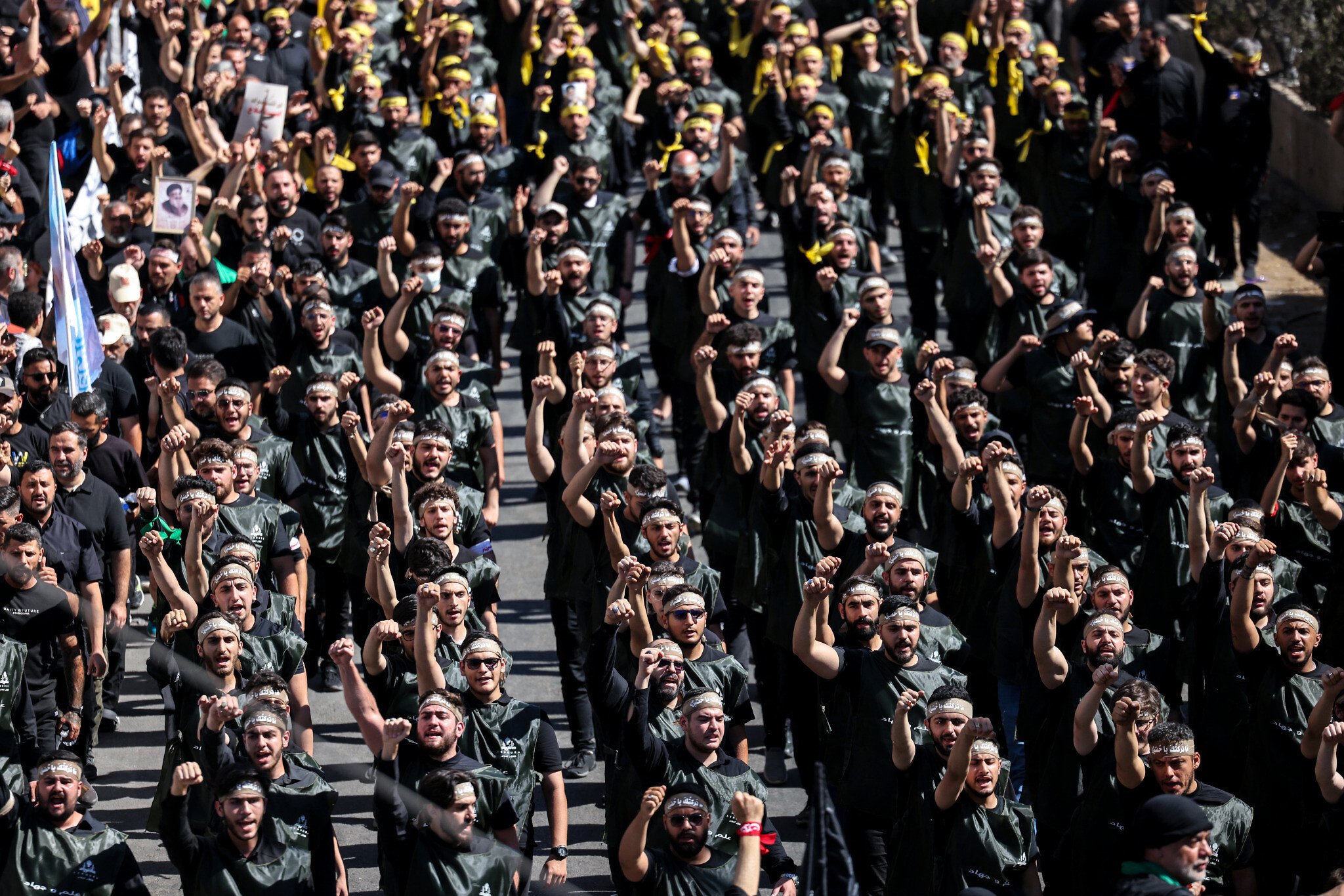
Lebanon’s government is set to discuss a plan on Friday for disarming Hezbollah, a critical juncture in a standoff between the Iran-backed terror group, which is refusing to give up its weapons, and rival countries and authorities, including Israel, who want it to disarm in line with US demands.
Calls for Hezbollah’s disarmament have taken center stage in Lebanon since the terror group sustained heavy losses in a yearlong conflict with Israel. The results of that war, which ended last November, upended a power balance that had long been dominated by the Shi’ite Muslim group.
This year, Lebanese President Joseph Aoun, under pressure from the United States, has pushed for the terror group to disarm. Israel has said it would withdraw from sites in Lebanon that its troops still occupy if Hezbollah lays down its weapons. But Hezbollah has rejected any move to dismantle its arsenal.
That divide has led to tension in the Lebanese government between Hezbollah and an allied political party, Amal, on the one hand, and other Lebanese factions, including leading Christian and Sunni politicians.
Friday’s cabinet session takes place against a backdrop of an escalation in Israeli strikes in southern Lebanon, which killed four people on Wednesday, adding to fears in Lebanon of further attacks if Hezbollah does not disarm. The Israel Defense Forces said it targeted a site where Hezbollah stored engineering tools being used for “the organization’s recovery.”
Amal’s leader, Lebanese Parliament Speaker Nabih Berri, has insisted that any discussion of disarmament happen without a deadline, a source close to Hezbollah said.
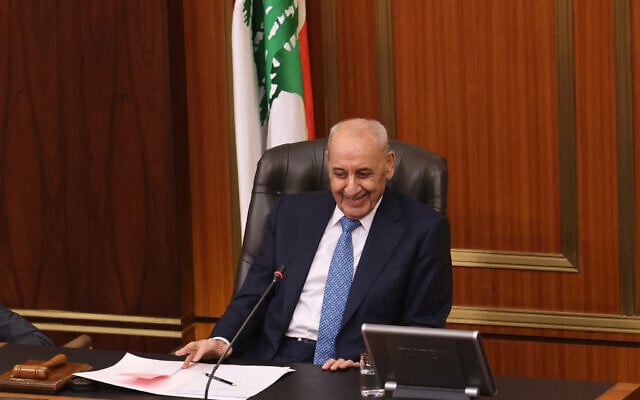
The Lebanese government said it would come up with a plan to disarm Hezbollah by the end of August. Berri, in an August 31 speech, indicated that the Shi’ite parties were ready to discuss the fate of Hezbollah’s arms, but “within the framework of a calm and consensual dialogue.”
He said it was “nationally unacceptable to throw the ball of fire into the lap of the Lebanese army” by requiring it to tackle the long taboo issue of Hezbollah arms too abruptly.
Longstanding tensions in Lebanon over Hezbollah’s arms have sharpened since the Aoun administration, together with Prime Minister Nawaf Salam, tasked the US-backed Lebanese army on August 5 with devising a plan to establish a state monopoly on arms by the end of the year.
It is not yet clear how Friday’s session will pan out. With the army keen to avoid confrontation with Hezbollah, the plan could avoid any disarmament timeline, a diplomat and a Lebanese source said.
Any cabinet decision opposed by Hezbollah is likely to prompt a walkout by Shi’ite ministers loyal to the group and to Amal, stripping the government of sectarian consensus. One possibility to avoid that scenario could be to delay a vote on the plan.
The army, drawn from Lebanon’s mosaic of religious groups, split along sectarian lines at the start of the 1975-1990 civil war. It was rebuilt following that conflict and has been widely regarded as the guarantor of civil peace, though Hezbollah has effectively controlled southern Lebanon for decades.
On October 8, 2023, one day after the Hamas-led massacre in southern Israel, Hezbollah-led forces began attacking Israeli communities and military posts along the northern border on a near-daily basis. That conflict escalated sharply in the fall of 2024, when Israel killed many of the terror group’s leaders and fighters.
A US-backed ceasefire agreed in November 2024 required Hezbollah’s disarmament, beginning in areas south of the Litani River, the area adjacent to Israel.
Hezbollah says the deal only applies to that region and that it has handed over weapons to Lebanese troops in that area. Israeli forces continue to occupy five hilltops in the south and to carry out strikes on Hezbollah fighters and arms depots.

A US proposal discussed by Beirut last month foresaw Hezbollah’s disarmament by the end of the year, along with Israel’s withdrawal and an end to its military operations in Lebanon. It also held out the prospect of economic support.
Israel last week signalled it would scale back its military presence in southern Lebanon if the Lebanese army took action to disarm Hezbollah.
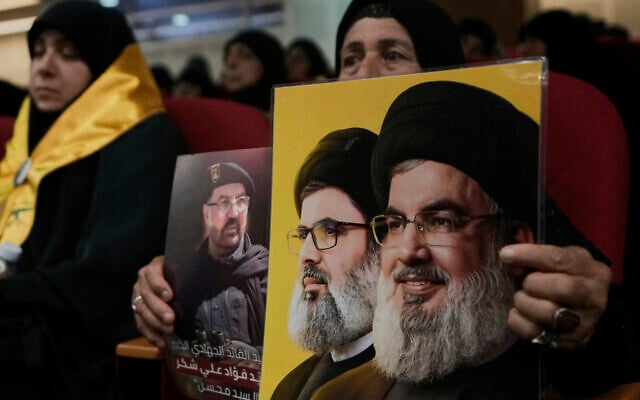
But Hezbollah has ruled out disarming, saying its weapons protect Lebanon from Israeli attack. Senior Iranian official Ali Akbar Velayati last month criticized Beirut’s moves on disarmament.
Hezbollah politician Mohammed Raad said on Wednesday it was “imperative” for Lebanese authorities to refrain from agreeing on any plans regarding Hezbollah’s arms.




The Times of Israel Community.