

Ideals and hearts break in this real-life Romeo and Juliet story set in Mandate Palestine
In US theaters today, ‘Shoshana’ portrays true romance between a Haganah member and the British officer tasked with arresting rebels like her, in a prescient tale of political complexities
 Add ToI as a Preferred Source on Google
Reporter at The Times of Israel
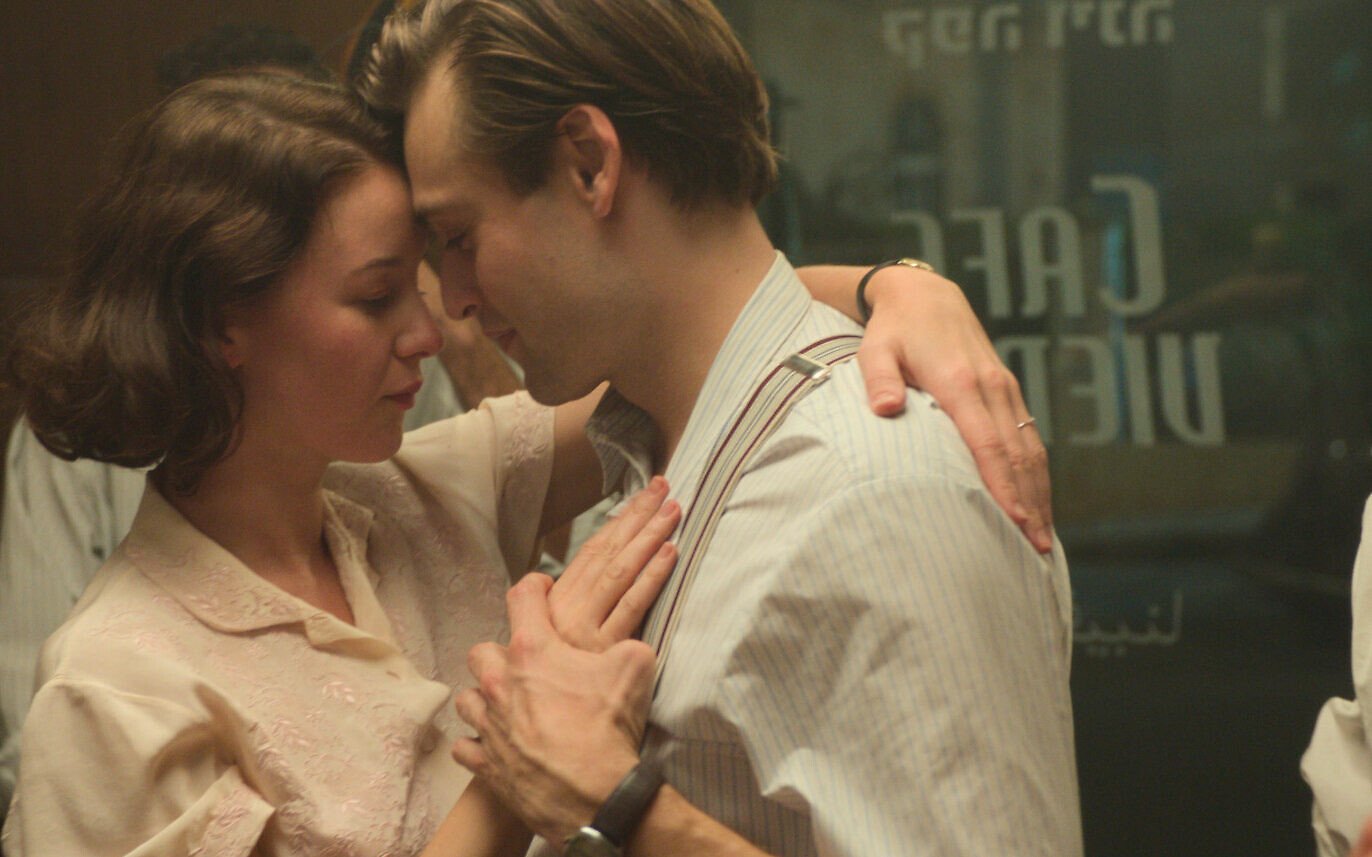
In Tel Aviv during the late 1930s, an unconventional romance bloomed amid the Bauhaus architecture. Shoshana Borochov — a Jewish immigrant to Mandatory Palestine, a journalist and, on the down-low, member of the Haganah — was falling in love with Tom Wilkin, a British Christian colonial policeman who happened to be entrusted with cracking down on Jewish underground militant groups, including the Haganah as well as more extreme rivals such as the Irgun and Lehi.
Unfolding against the backdrop of simmering wider societal tensions between Jews, Arabs and British in the land of Palestine on the eve of World War II, this real-life story is brought to the screen in a new feature film, “Shoshana.”
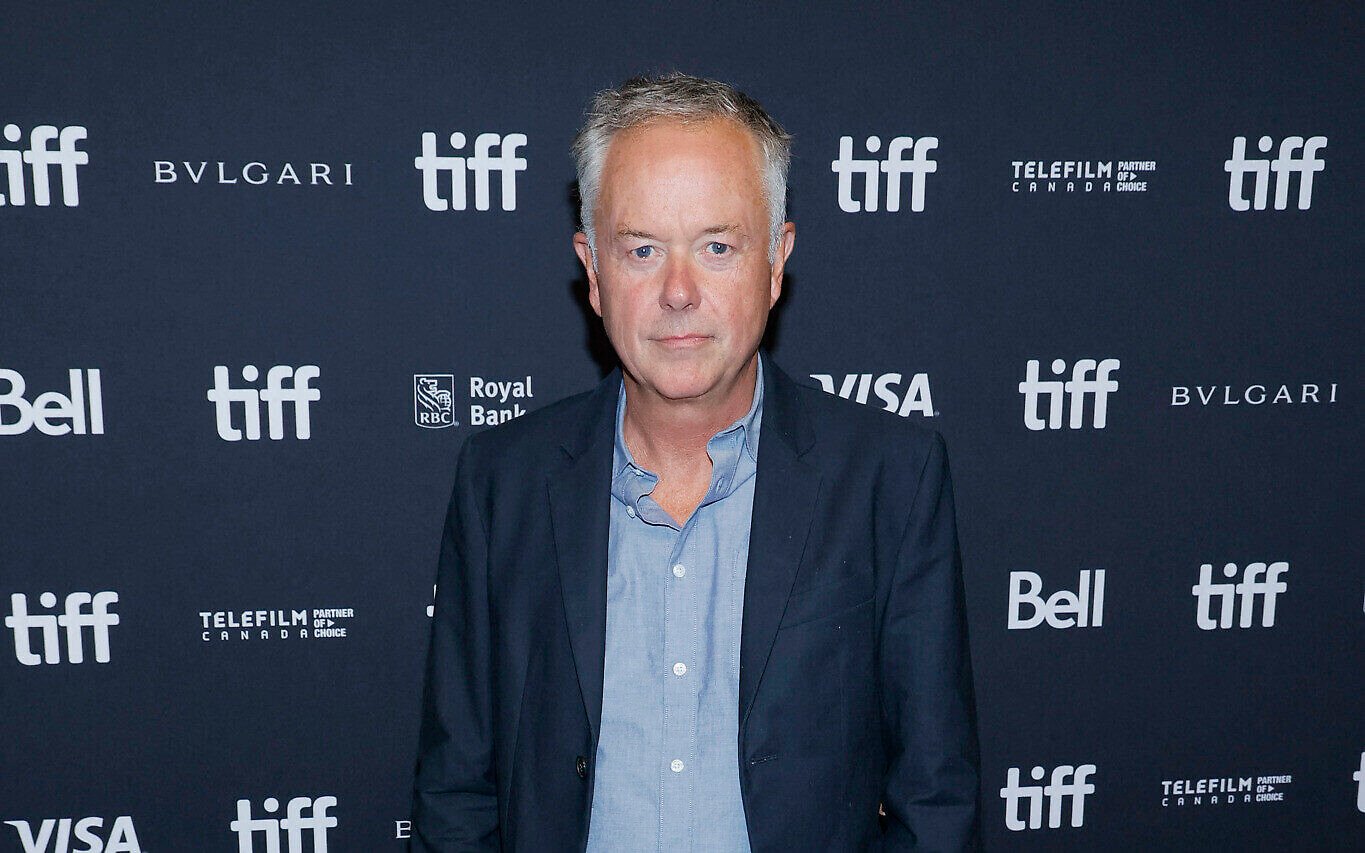
Directed by award-winning British filmmaker Michael Winterbottom (“24 Hour Party People,” “A Mighty Heart”), the two-hour-plus film was conceived over 15 years ago during a visit to the Jerusalem Film Festival. Starring Irina Starshenbaum in the title role, Douglas Booth as Tom and Harry Melling as his supervisor, Geoffrey Morton, “Shoshana” debuted at the Toronto International Film Festival in 2023. Now, it makes its long-awaited US theatrical premiere on July 25.
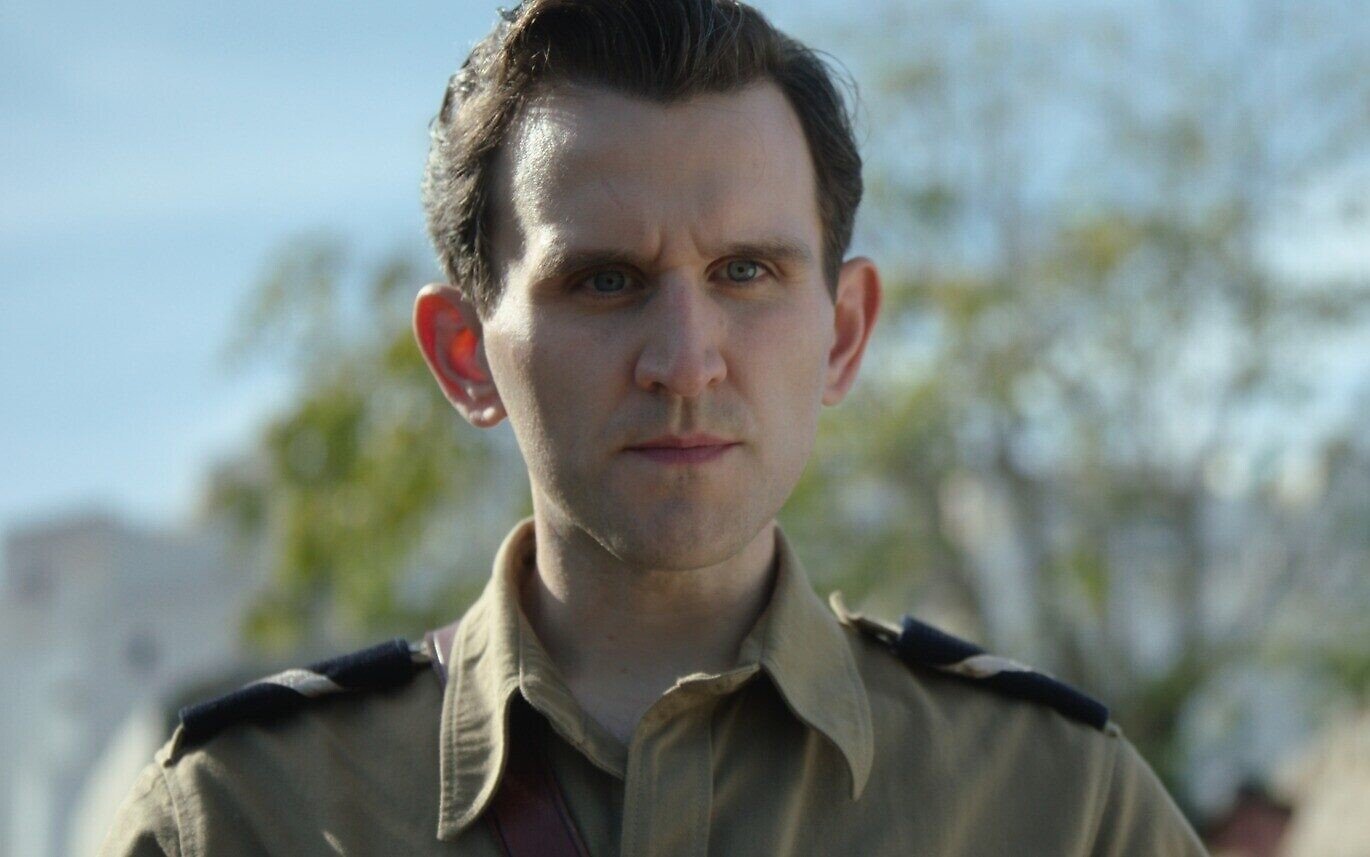
Although the film evokes the bygone days before Israeli independence, some of it feels more recent — including a disquieting scene of Arabs detained behind the barbed wire of an internment camp, where Morton conducts a devious interrogation.
“At the beginning of thinking about making the film,” Winterbottom said, “going way back, there were a lot of parallels” with recent events, but they were “more about the situation in Afghanistan and Iraq.”
As he described the Americans and British in Afghanistan, and the Americans in Iraq, “people were going in and recognizing they controlled a country but did not have any coherent policy on what to do there.”
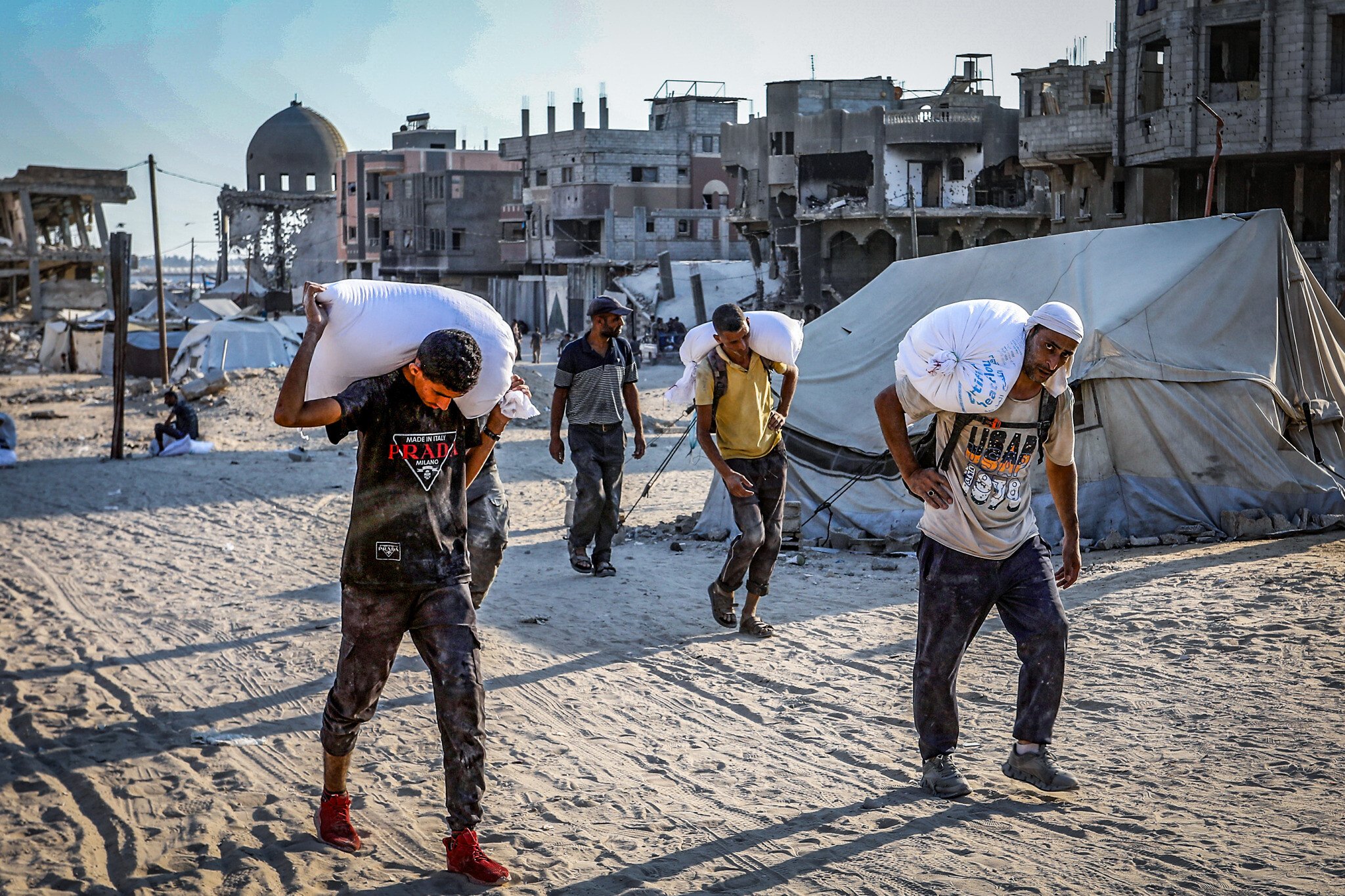
“Then, of course,” he added, “there are the connections to the situation in Israel now, in Gaza now.”
But to Winterbottom, there’s a much older literary precedent for the relationship between Shoshana and Tom.
“I felt it was a really simple story, a simple love story, Romeo and Juliet, that in itself allows you to see the impact of the tension and conflicts, the impact of society and politics on individuals, without having to force it,” he told The Times of Israel over Zoom. “It was an interesting way of looking at that place and that time.”
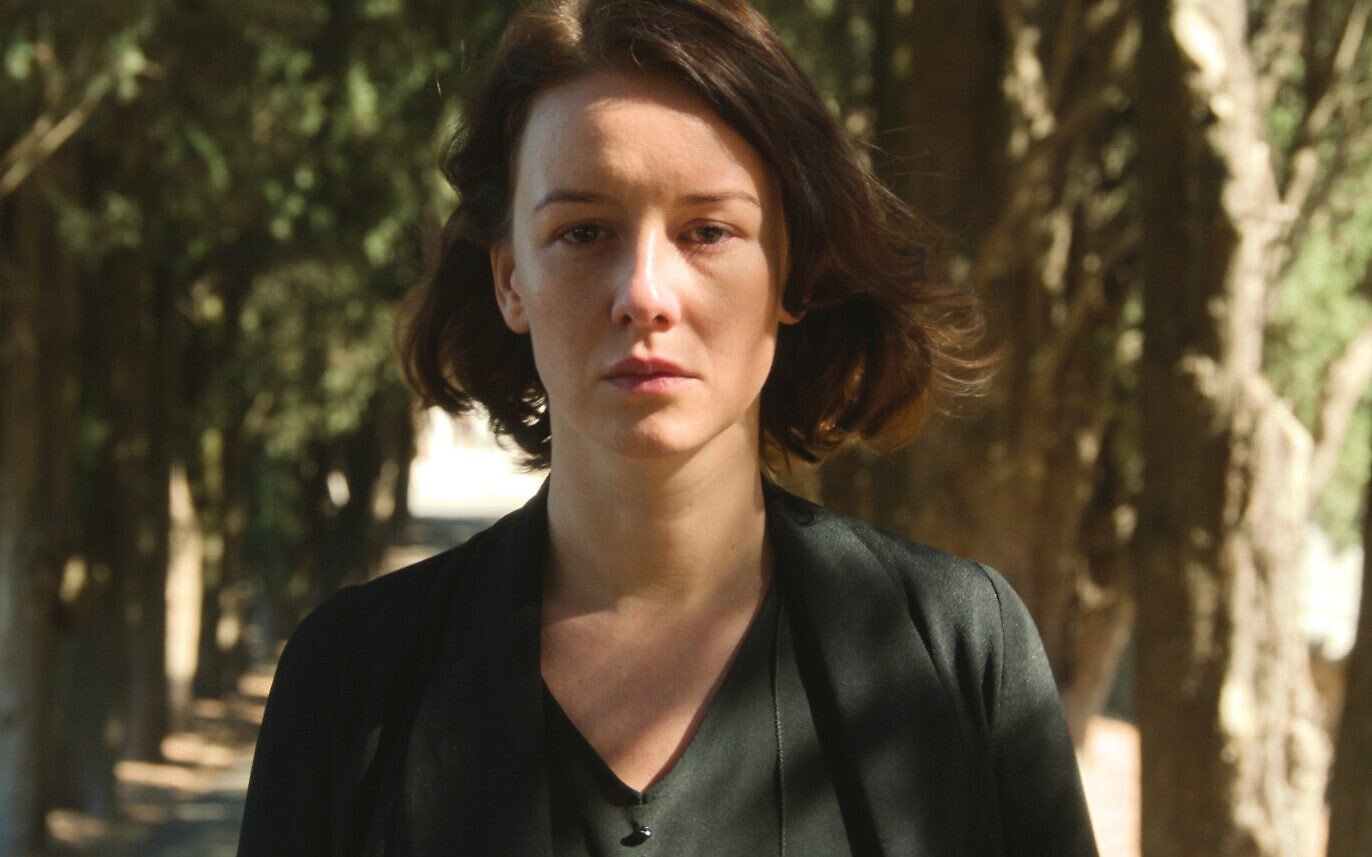
Shoshana and Tom are each able to see the complexities of the present while embracing idealistic visions of the future. As a journalist, Shoshana is well-acquainted with the political tensions of the day between the British colonial government, the native Arab population, and immigrant Zionist Jews like herself. However, inspired by her late father Ber Borochov, a Russian-born Yiddish scholar and one of the founders of the Socialist Zionist movement, she still dreams of a Palestine where Jews and Arabs can coexist. And, as a feminist, she envisions an egalitarian society in Palestine for men and women.
As for Tom, he obeys Morton’s instructions to crack down on underground Jewish groups — yet he feels that some groups pose less of a threat than others. Unlike his superiors, Tom sees a distinction between the Haganah, which he feels represents mainstream Jewish opinion in Palestine, and the Irgun, which, under its leader Avraham Stern, launches terror attacks against Arabs and British alike.
Then there’s his love life: Despite differences in background and his superiors’ doubts that it is a good idea for a policeman to date a colonial subject with underground ties, Tom envisions a future for himself and Shoshana and even proposes marriage to her.
Asked about a report that the couple was married in real life, Winterbottom replied, “I’m not sure that is correct, though it is a long time since we did the research for this film. We shot the film, and after we made it, we showed it to the families of Shoshana and Geoffrey Morton and Avraham Stern. All felt it was a fair portrayal of their family member.”
Not to give away too much, but Tom’s tragic and untimely fate in Mandatory Palestine is a matter of historical record, and it’s poignantly conveyed in the film. Shoshana, meanwhile, lived a much longer life, and Winterbottom’s research included watching a video of her in her golden years.

The film opens at an especially contentious time for the region: The late 1930s, marked by the Great Arab Revolt of 1936-39 and the British-issued White Paper of 1939. The White Paper restricted Jewish immigration to Palestine, despite Jewish desires for an escape route to the Middle East due to the increasing menace of Nazism in Europe. In this atmosphere, Stern continues to direct Irgun attacks on Arab civilians and British authorities, despite the distaste this arouses among fellow Jews. He is portrayed by Israeli actor Aury Alby.
“From what we read, most people regarded people like Stern and the Irgun in the 1930s … as extremists,” Winterbottom said. “Most of the Jewish people did not agree with Stern’s idea that you need to use violence to bring about Israel.”
Stern’s methods make him a wanted man in Morton’s eyes. Eventually, their paths cross, with fatal consequences: A scene dramatizes the Irgun leader’s controversial death in Morton’s custody.
Winterbottom called Stern’s death an “extrajudicial killing,” but said the exact circumstances around it are “debated.”
As for the historical Morton, the director described the policeman in nuanced terms, noting that he prosecuted both Jewish and Arab underground movements, albeit with methods that were morally questionable — then and now.
“I wanted to have the idea that Geoffrey Morton felt it probably made sense to treat everyone the same,” Winterbottom said. “He also embodied the classic colonial approach: ‘We’re entitled to use violence to protect our power.’ To me, that is an illegal thing to do.”
Despite all the tensions of the era, there is time in the film for Shoshana and Tom to enjoy spirited conversations in the cafes of Tel Aviv and intimate moments in Tom’s apartment. The scenes were filmed in southern Italy, where Winterbottom found a contemporary Mediterranean locale to mirror Tel Aviv in the 1930s. Winterbottom also captured the sound of the era, as shown by the soundtrack, which incorporates jazz music such as the Gershwin hit “The Man I Love.”
Many of Winterbottom’s films deal with the ways in which political violence impacts individuals, including several documentaries related to the War on Terror. “The Road to Guantanamo” is a 2006 chronicle of three young British men who were incarcerated at Guantanamo Bay; Winterbottom and co-director Mat Whitecross shared Best Director honors at the Berlinale. A year later, in 2007, Winterbottom’s film “A Mighty Heart,” starring Angelina Jolie, was an adaptation of a book by French journalist Mariane Pearl about her Jewish American journalist husband, Daniel Pearl, who was slain while covering the War on Terror in Pakistan.
More recently, Winterbottom has worked on projects with Palestinian director Mohammed Sawwaf, such as the 2022 documentary “Eleven Days in May,” about the more than 60 Palestinian children killed in Gaza in the previous war between Israel and Hamas, along with an upcoming project titled “Gaza Year Zero” that has faced challenges due to its very theme — the many conflicts plaguing the war-torn enclave.
“It’s a story … about a boy and his family in Gaza, trying to survive,” Winterbottom said. “We’ve shot one-third of it, but since the end of the ceasefire [earlier this year] they have not been able to film. At the moment, we’re just waiting to see if another ceasefire is put in place.”
As for “Shoshana,” once viewers have finished the film, they may wonder how much the title character can hold onto her ideals of Jews and Arabs living together peacefully in Palestine.
“It gets to a position where everyone in the Haganah is fighting alongside the Irgun and Lehi,” Winterbottom said, “alongside people who had been their political enemies — first against the British, then against the Arab population. It forces her, at the end, to act in opposition to her principles at the beginning.”
“You might feel she changed her mind … For me, it’s not like that. Shoshana’s ideas, beliefs and principles are still the same [as they were] at the beginning of the film, but the situation has changed. If there is a war, she has to be on the side she’s on. Events drive people to do things they never wanted to do at the beginning,” he said.


The Times of Israel Community.