

In 1988, a futurist envisioned Israel in 2025. Some of his predictions were spot-on
In his book ‘Israel in the Year 2025,’ Dr. Alan Price imagines the Jewish state in an era of space travel, but his visions of smart homes, solar fields and cellphones ring true
 Add ToI as a Preferred Source on Google
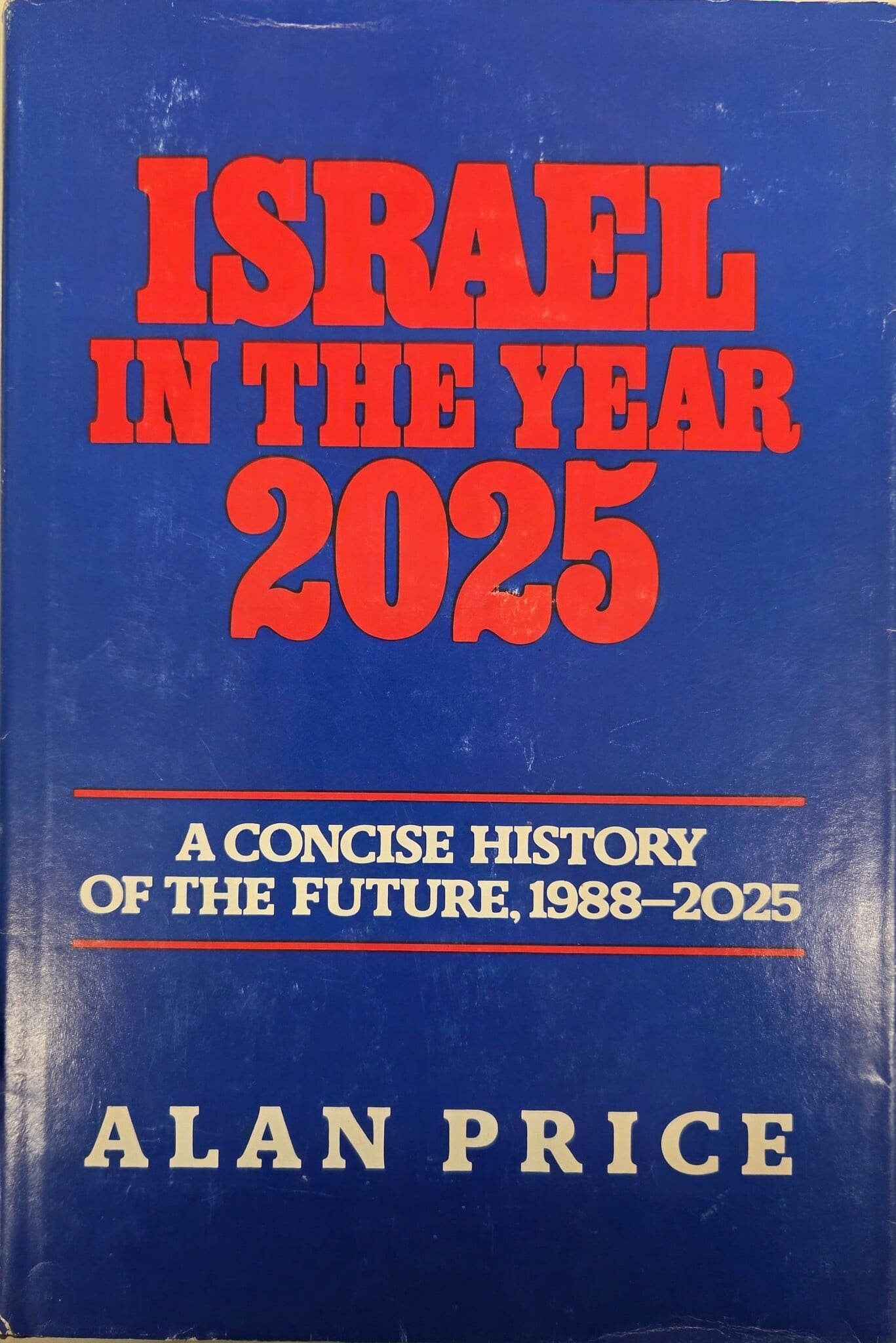
At some point in the 1980s, Dr. Alan Price sat down to research and write a book about Israel in the future — in 2025, to be specific.
A scholar in “future studies” — which he described as “partly a science and partly an art… based on imaginative and creative thinking” — Price set out to present a “coherent analysis in vivid and graphic language” of what Israel might look like in some four decades. His predictions, put forth in “Israel in the Year 2025: A Concise History of the Future,” were based on two years of research on various topics related to demographics, building plans and technological trends, among others.
“It is not a ‘prophecy’ or an ‘exact prediction,’” Price warned in his introduction. “The only prediction that can be made with confidence about the future is that nothing will happen in exactly the way it has been described in this book.”
Price hoped that by better understanding the details of how Israeli history might play out, “we may be able to make preparations that will render ‘dangerous futures’ less probable or less dangerous and influence ‘desirable futures.’”
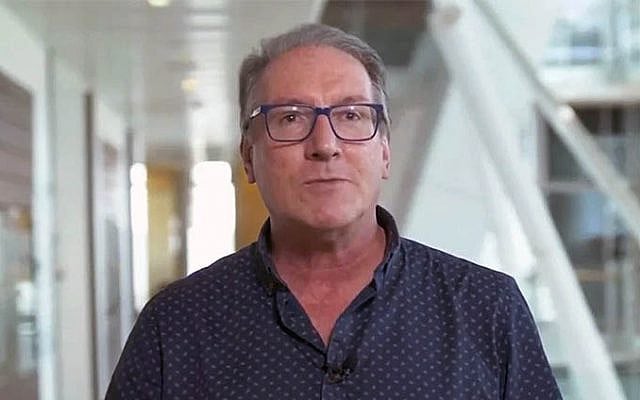
“As a Zionist, he was always thinking of how to improve things in Israel, and what the future will bring for this young country,” said his son, Prof. Colin Price, a geophysicist at Tel Aviv University, in an interview with The Times of Israel.
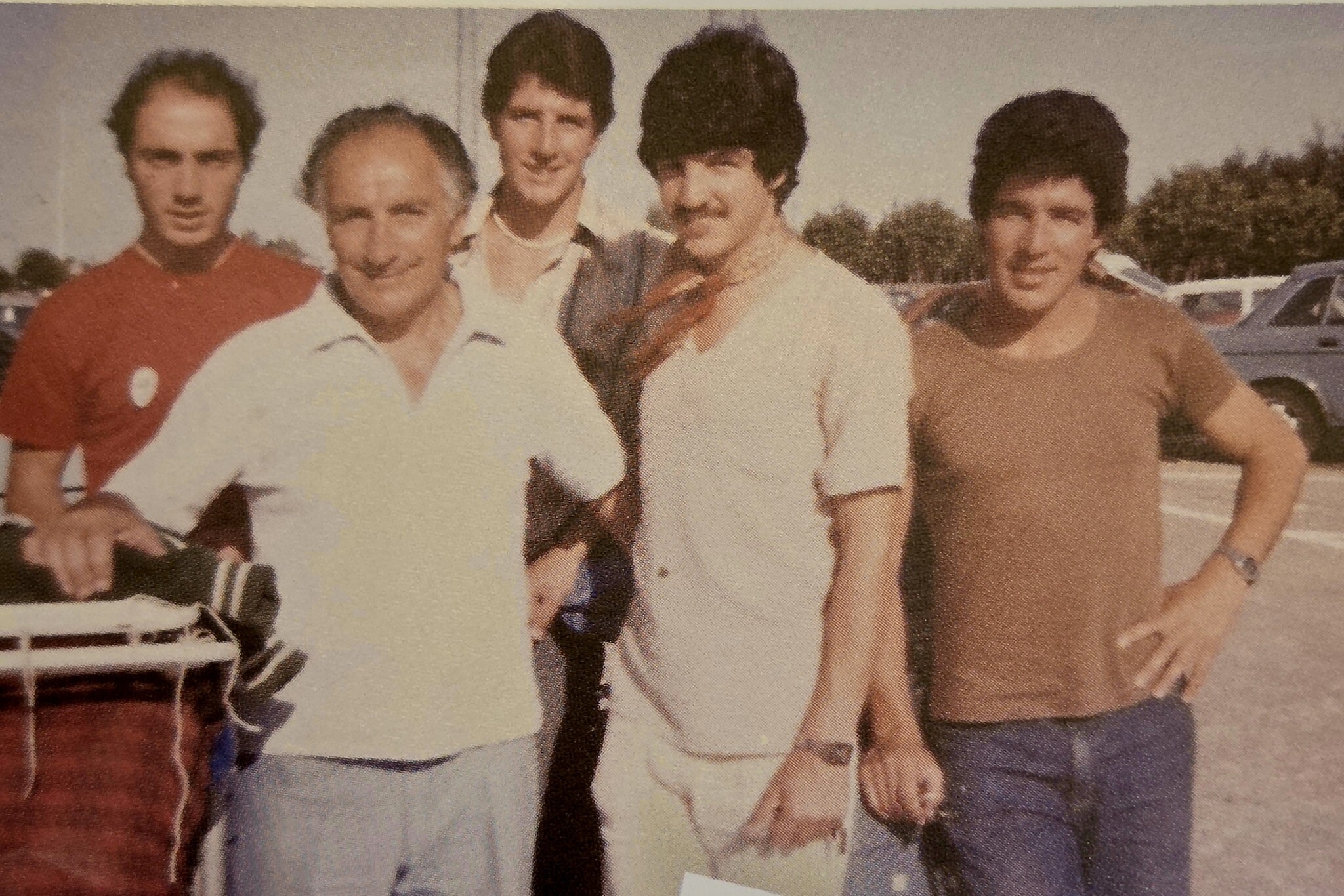
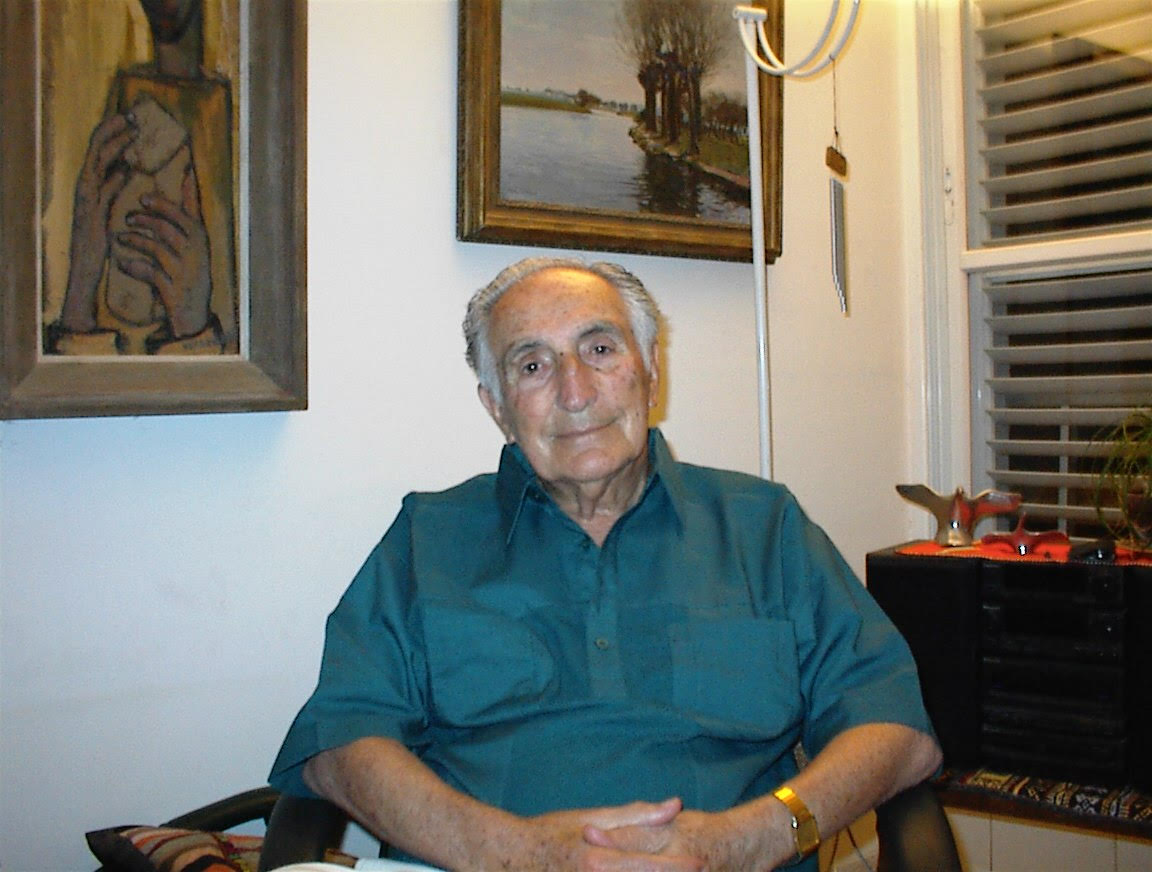
Alan Price was born in the White Russian shtetl of Dolhinov amidst the throes of World War I. When he was 17, just four years before the Holocaust, his father took the family to South Africa, devoid of wealth and any significant knowledge of the English language. Within just a few years, though, Price was able to go to medical school and rise to positions of prominence in various organizations.
A devout Revisionist Zionist, Price accompanied Zeev Jabotinsky when the renowned ideological forefather of the Likud Movement visited South Africa prior to his death in 1940. Fresh out of medical school, the young Dr. Price volunteered to fight for Israel’s independence as well, serving as a combat medic in the Givati Brigade during the 1948 war. In 1980, he, along with his wife and four sons, ultimately settled in the state he fought to establish.
Through it all, Price remained an optimist — a trait he unapologetically brought to his predictions about Israel’s future.
“A positive optimism serves both as a practical direction of action to be taken and to counter pessimism and defeatism, which so often unfortunately pass for ‘realism.’ The special virtue of positive optimism is its capacity to transcend the limitations of the present circumstances, to inspire alternative thinking, and to open new directions for political action,” he wrote.
So what exactly did Price predict?
The book covers far more than simply Israel in 2025; it includes details about local, regional and global events from the 1980s onward that would ultimately shape the Jewish state.
In Price’s future Israel, geopolitics were molded by the assassination of Yasser Arafat, Muammar Gadhafi’s development of nuclear weapons, and 1996’s “Laser War,” which would see Syria stand out as a major military threat. The “Arab-Iranian union” disintegrated, leading to warm relations between Israel and at least some of its neighbors. The USSR never fell.
On the civilian front, Israeli commuters in Price’s 2025 benefit from “air-cum-space travel,” allowing them to reach New York in just 36 minutes from Tel Aviv. Israeli workers also enjoy a three-day weekend, accommodating the country’s three monotheistic faiths.
In fact, the country’s population swells in part due to significant Christian Zionist immigration. The Lubavitcher rebbe, Menachem Mendel Schneerson, also moved to Israel, laboring in the fields to set a personal example of how both Torah study and work must be intrinsic elements in the life of any Jew of faith.
Price correctly foresees the dramatic rise of Israeli consumerism and creature comforts in ways that sound obvious today but were far from certain for Israelis in the 1980s, a few short years after hyperinflation all but bankrupted the country.
In 2025, according to Price, “No house or apartment [is] complete without two or three bathrooms, air conditioner, washing machine, dishwasher, microwave oven, telephone, TV set, and a computer terminal.”
High schoolers by that time are already “experienced in searching for information about anything and everything from the comfort of [their] desk[s].” Cellular telephones are “so small that they could be carried as a personal communication device on the wrist, in the breast pocket, or in a lady’s handbag.”

Moreover, nearly a decade before Jeff Bezos founded Amazon, and some two decades before touchscreen smartphones became central to most Israelis’ lives, Price saw much of that coming:
“Shoppers could speak by direct voice into the home computer and request to see the prices and quality of various goods. A touch-sensitive screen displayed the items. The electronic shopper could change from shop to shop by just calling the name of the store on the computer microphone. After selecting, the shopper typed out a number and code on the microcomputer terminal, gave instructions where the order was to be delivered, along with the necessary credit card information.”

His forecast of smart homes reads almost prophetically, in what he called “the architronic home”: “The ‘electronic home’ is the vogue with the ‘moderns.’ The house is flexible and geared to communication and information. An ‘intelligent’ house with a brain of its own… it can be adapted to the various life-styles of its inhabitants and to their changing moods.
“Each house has a computer brain that is located in a small cupboard. It is of a most advanced type and connected to a multiplicity of sensors and activators by wires within the walls…”
Lots of hits — and some misses
Not all of his technology prognostications were on point, however. We still don’t have a permanent station on the moon — which Price thought would be functional by 2008 — followed by lunar communities that would influence global cultural and social trends, and visits to Mars.
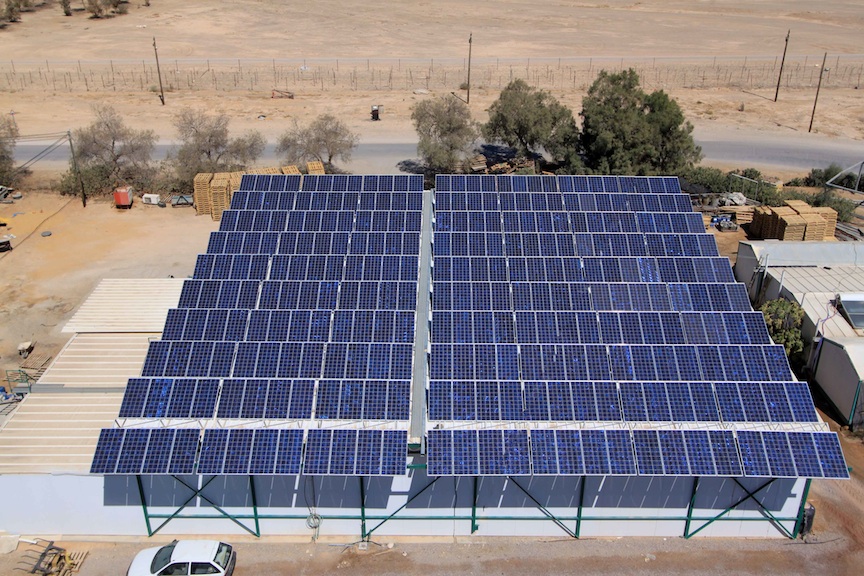
Back in Israel, while Price did correctly foresee the rise of significant photovoltaic farms in the Negev Desert, his predictions of a “Lake Herzl” and massive “solar ponds” on the shores of the Dead Sea, fed by a direct canal from the Mediterranean, were less than precise.
Price foresaw the healthcare community beginning “to focus on ‘wellness’ and not merely on ‘the cure of disease.’” Already brewing to some extent in the 1980s, he also foresaw Israel’s 1995 passage of the National Health Insurance Law, which guaranteed basic universal healthcare to all residents. Unfortunately, his prediction that nearly all dental caries would be eliminated by 2010 fell short.
Five years after the elimination of cavities, Price predicts, the “Jerusalem Declaration on Technology” comes into being, addressing many of the pressing issues now keeping much of the world up at night. The document clearly spells out scientists’ moral responsibilities around issues such as “the threat of nuclear annihilation, the terrifying power of biotechnology and genetic engineering, the enormous scope of the computers and artificial intelligence, and the mind boggling opportunities of space exploration,” which have left humankind “in a state of bewilderment, fear, and the insecurity bordering on panic.”
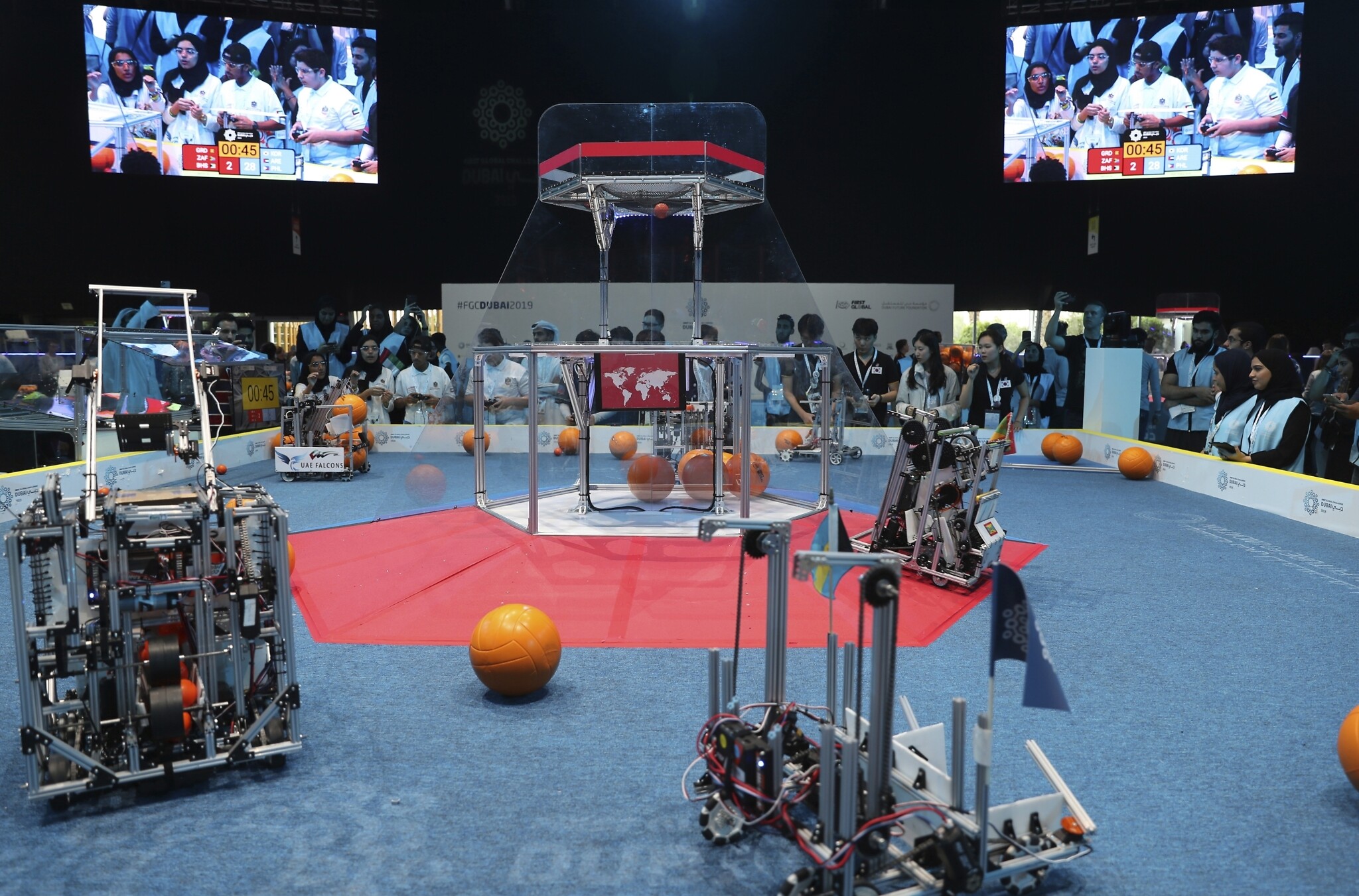
Jerusalem is, of course, also the center of celebrations around Israel’s 75th birthday, seeing 100 world leaders gather in the eternal capital of the Jewish people, including the presidents of the United States, China and the USSR: “There were no military parades in Jerusalem. The people of Israel did not celebrate their freedom by showing weapons and marching soldiers through the streets of Jerusalem. Instead, the people showed off their achievements in macroengineering, transportation, communications, and irrigation.”
Not a ‘prophet of doom’
In the real 2025, Price’s son thinks, “Technologically and economically,” his father “would be super proud of what the country has done, and our standing in the world as the Startup Nation, with groundbreaking technologies in water, cyber and inventions like the Iron Dome. This would have made him extremely proud to know how Israel has advanced technologically and become an economic superpower.”
Politically, however, things are generally more complicated and less rosy. The elder Price indeed envisioned an Israel in which “the government was repeatedly extricating itself from crisis after crisis. The electoral system was outdated and the individual was impotent in the face of the party machine. Neither the members of the Knesset nor its officialdom knew the meaning of the word ‘accountability’… the major flaw in the system was a lack of leadership.”
Still, his son thinks that his optimistic father “would be very depressed to see what has happened” in Israel today, specifically “to his beloved Likud party.”

“The war over the last two years and the indifference shown by the government to the hostages, those displaced in the south and north, and the lack of taking responsibility for their role in the tragedy that struck us all on October 7 [2023]. I think that would have been very painful to him, and I am glad he did not get to see this dark chapter in the history of Israel,” Colin Price said.
Nonetheless, as a dedicated Zionist, Price senior “was always thinking of how to improve things in Israel, and what the future will bring for this young country,” said his son.
“Many disaster books and crises papers or even apocalyptic Armageddon scenarios have been postulated for the future of Israel,” Price wrote in the introduction to his 1988 book. “It is my sincere conviction that future history will prove all these ‘prophets of doom’ wrong.”








The Times of Israel Community.