

Ire as Jerusalem tries to regulate religious character of neighborhood councils
Mayor moves to determine exactly how many of the elected representatives should be Haredim, angering everyone; city says aim is to ensure all communities have a voice
 Add ToI as a Preferred Source on Google
Sue Surkes is The Times of Israel's environment reporter
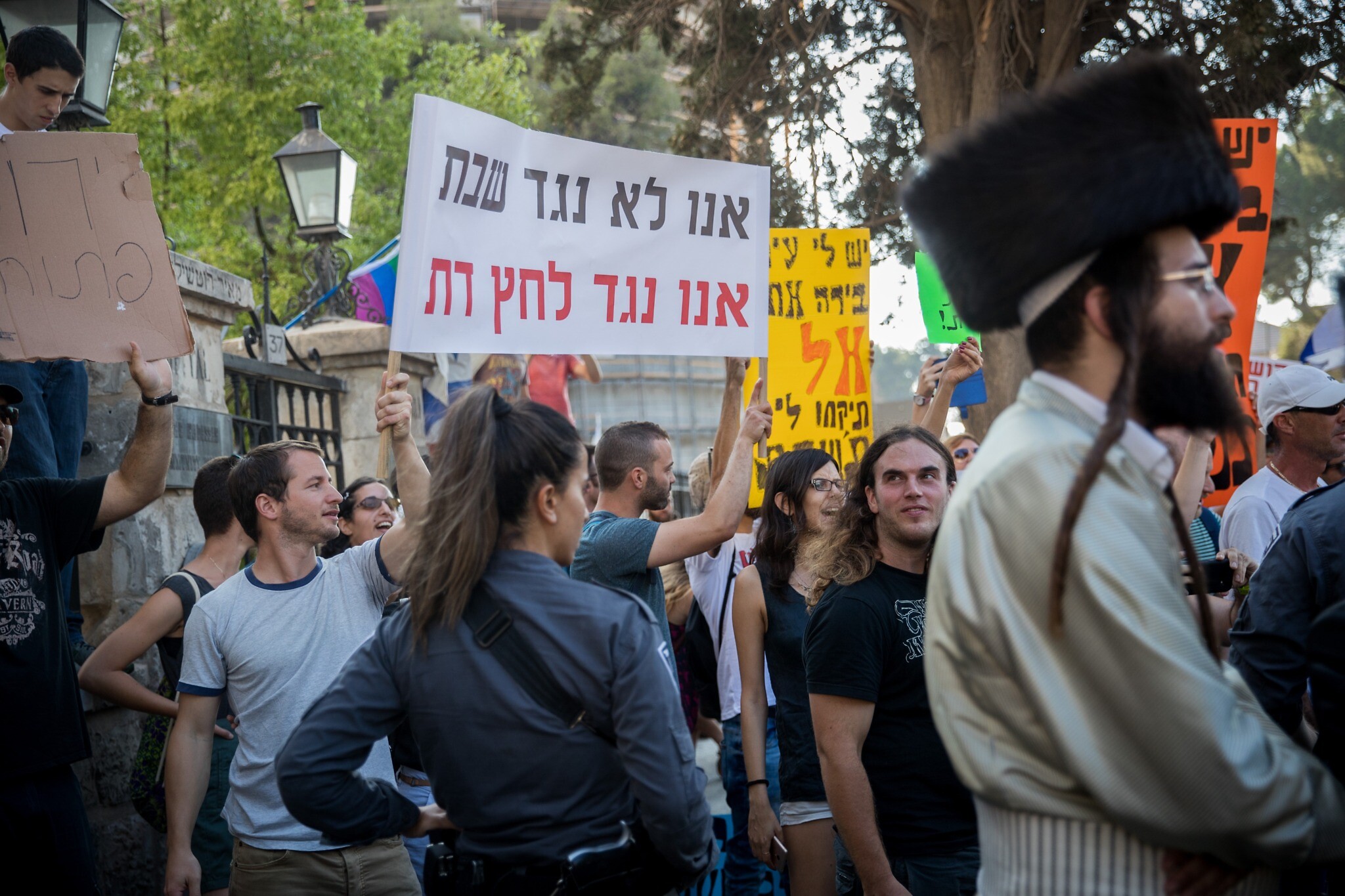
A battle is being fought in Jerusalem against a move by the municipality to designate seats on the boards of community councils as either ultra-Orthodox or not. The seats are coming up for election on December 22.
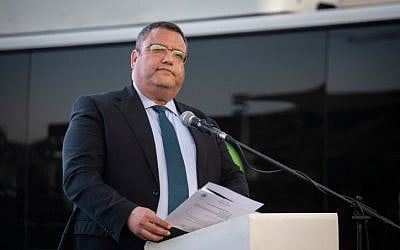
Mayor Moshe Lion and his administration believe that pre-designating seats on the basis of religious affiliation can prevent power struggles both during and after the votes.
One furious appeal against the plan, by the Greater Baka community council in southern Jerusalem, was accepted on Wednesday, and other councils — including Haredi ones — are appealing or planning to do so as well.
Community councils exist only in Jerusalem. They were set up to ensure that the needs of the complicated mosaic of populations across the city are met and to act as a channel for dialogue between local residents and the municipality.
The councils are governed by a board of 15 people, nine elected and a further six appointed by the municipality and the Association of Community Centers.
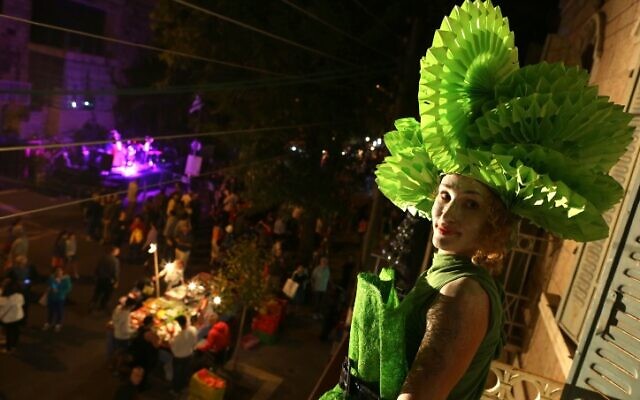
These councils receive money from the city, the Association of Community Centers and fees charged for the community centers’ wide range of activities. They determine their own budgets and priorities, which in Greater Baka, for example, range from kindergartens, library services and sports facilities to celebrations, activities for the elderly, afterschool programs and help with urban planning issues.
Budgets can be significant. Last year, the budget for the Pisgat Ze’ev community council, for example, was NIS 31.8 million ($9.4 million), while that for Ginot Ha’ir, which covers eight neighborhoods, was NIS 30.3 million (just under $9 million).
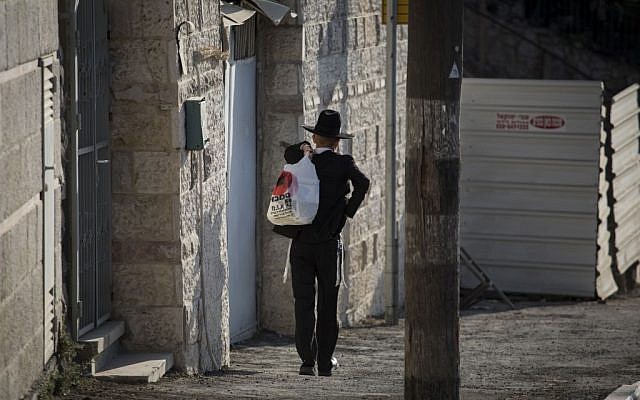
The ultra-Orthodox have traditionally lived in the north of the city. But in recent years, high birthrates have increasingly driven them to seek housing in some of the southern neighborhoods populated by secular and modern Orthodox Jews and those defining themselves as Masorti, or moderately religious.
This demographic shift has caused clashes, with Haredi demands for streets and leisure facilities to be closed on the Sabbath meeting stiff opposition from secular Jews in neighborhoods such as Kiryat Hayovel in the city’s southwest. Tensions have been exacerbated in recent months by the refusal of some segments within ultra-Orthodox society to obey coronavirus regulations.
The Times of Israel was told that in the runup to next month’s elections, both secular and ultra-Orthodox groups approached Mayor Moshe Lion to express concern that their voices will not be heard in neighborhoods where they constitute a minority.
This spurred Lion to ask officials to come up with a way of ensuring that no community council can ignore the needs of any constituent group.
According to the new policy, which was relayed to the community councils just a week ago, the religious color of each of the nine elected seats will be determined on the basis of votes cast for municipal council elections in October 2018. For example, if Haredi parties in 2018 secured a third of the votes in a particular neighborhood, that neighborhood will now see a third of the seats — three out of nine, and no more — being reserved for ultra-Orthodox candidates in the upcoming neighborhood polls.
On this basis, the municipality determined that five of the seven councils heading into elections next month would have one seat reserved for a Haredi member and eight for representatives of the non-Haredi population. These were Homat Shmuel, Gonenim, Greater Baka and Ginot Ha’Ir in the south of the capital, and Pisgat Ze’ev in the north. As noted above, Greater Baka has now been exempted from the new plan.
In the largely ultra-Orthodox neighborhood of Bayit Vegan in western Jerusalem, two slots will be reserved for the “general population” and seven for Haredim, while in Eshkolot (Shmuel Hanavi), eight seats will be Haredi and one will represent the rest.
Candidates will be required to state their religious affiliation in advance and if residents worry that this has been misrepresented, they will have the right to appeal. Residents will be free to vote for whomever they want, regardless of their religious bent.
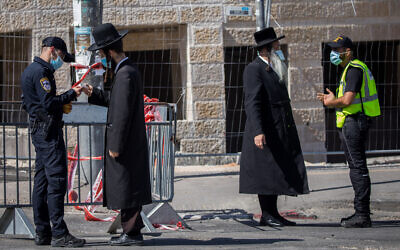
According to sources with knowledge of the initiative, who asked not to be named, complaints about the new plan have been flooding into the municipality from both the Haredi and non-Haredi communities.
In its appeal, the Greater Baka council said that it opposed any kind of sectoral designations, insisting that the differences between ultra-Orthodox and non-ultra-Orthodox populations were irrelevant to the many activities of the community councils.
Calling the new policy undemocratic, lamenting that it had been introduced without consultation and demanding that it be reversed, the council said that candidates should be chosen on the basis of the public’s trust in them and “not according to their beliefs and lifestyles.”
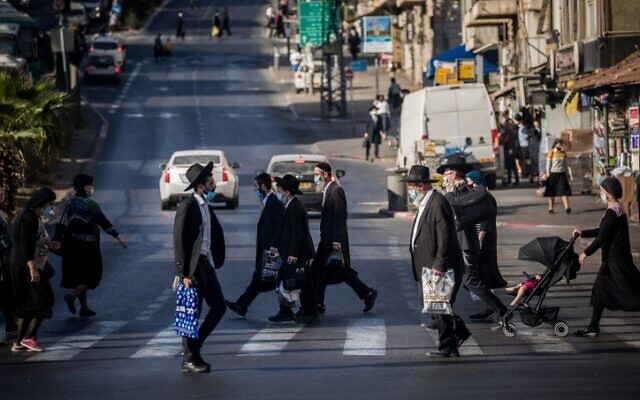
The Haredi community, meanwhile, stands to lose from the system in neighborhoods such as Pisgat Ze’ev and Homat Shmuel, where its numbers have grown since the municipal elections two years ago.
The picture will look different in the cases of other neighborhoods coming up for election next year, the sources said. In largely secular Beit Hakerem in western Jerusalem, for example, no slots are planned for Haredim, while in the homogeneously Haredi Romema, there will be no reserved seats for the non-Orthodox.
“The Jerusalem Municipality strives to give representation in the management of the community administrations to the variety of residents in the neighborhood, according to their share and size in the neighborhood,” a council statement said. “This is to ensure they [can be] partners in activity.”


The Times of Israel Community.