

Israel giving Gaza’s anti-Hamas militias weapons, intel, food, medical care — report
WSJ says aid includes air support, medical evacuations to Israel, quotes soldier as saying he escorted Shin Bet supply convoy to militia in Rafah; IDF, Shin Bet decline to comment
 Add ToI as a Preferred Source on Google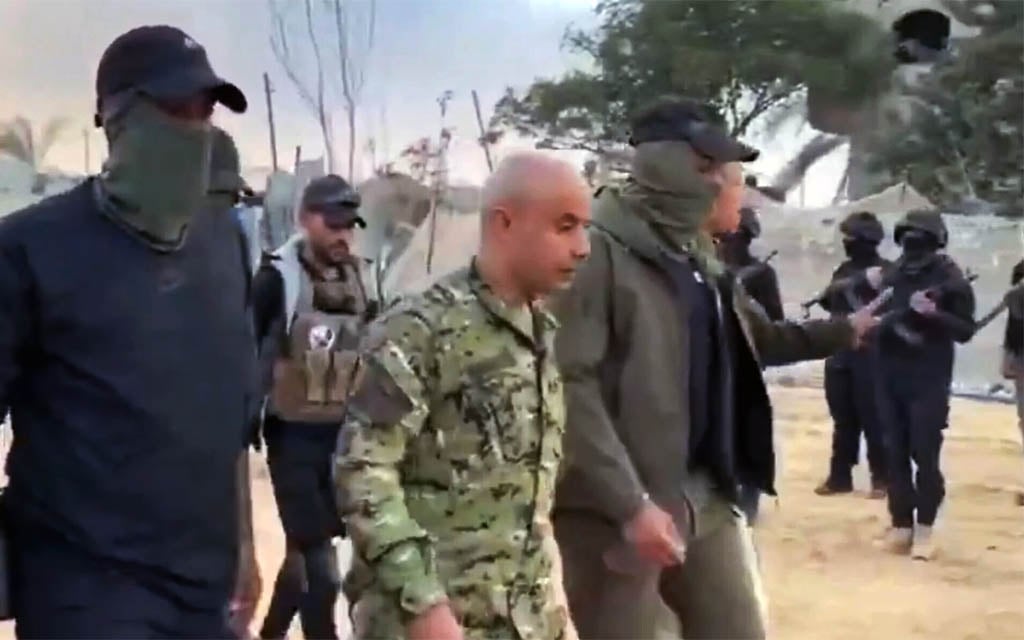
Israel is continuing to support anti-Hamas militias operating in the Gaza Strip, the Wall Street Journal reported Saturday, providing them with weapons, support from drones, intelligence, food and cigarettes.
It has also airlifted wounded militia members into Israel for medical care, according to the report, which cited “Israeli officials and military reservists.”
Israel has previously acknowledged its support for militias fighting Hamas in the enclave. Israel has been reported to back the Popular Forces, a militia founded by an anti-Hamas armed Bedouin leader, Yasser Abu Shabab. Abu Shabab was killed in December in what the group described as a family feud.
While Israeli support for the various Gazan militias has previously been reported, Saturday’s Journal report highlighted Israel’s support for one specifically, led by Hussam al-Astal, who said his group killed a police officer in the half of Gaza controlled by Hamas.
The militia reportedly has dozens of members who are based in the part of the enclave controlled by Israel.
Supporting the groups is a way for Israel to back maneuvers against Hamas despite limitations imposed on it by the ceasefire in the Strip, the Journal said. Videos have showed the militia members with Israeli gear, according to the report.
Hosam al-Astal, the commander of an armed faction opposed to Hamas in Gaza, said the group’s 38th anniversary marked its collapse, declaring that Hamas is effectively finished. pic.twitter.com/9TWXjBq40x
— Open Source Intel (@Osint613) December 15, 2025
According to an IDF reservist speaking to the US paper, he and other soldiers were tasked with accompanying a convoy carrying supplies to a Israel-backed militia in Rafah. The trucks carried “food, water, cigarettes and closed boxes with unknown contents that were placed in the vehicles by the Shin Bet security service,” the report said, citing the soldier.
However, militia leader Astal denied receiving anything from Israel other than food, and told the Journal that his operations against Hamas forces in Gaza, including the killing of the Hamas police officer last month, are of his own volition.
“He caused problems for people who wanted to come to us,” Astal said of the Hamas officer, in a phone interview with the paper. “He was harming us — anyone who tried to reach us was shot at or arrested. Whoever replaces him will be killed.”
Speaking on the IDF’s role in supporting the anti-Hamas groups, former senior officer Yaron Buskila said: “When they are going and doing activities against Hamas, we are there to watch them and some of the time to help.”
“It means helping them with information and if we see Hamas trying to threaten them or come close, we are actively getting involved,” said Buskila.
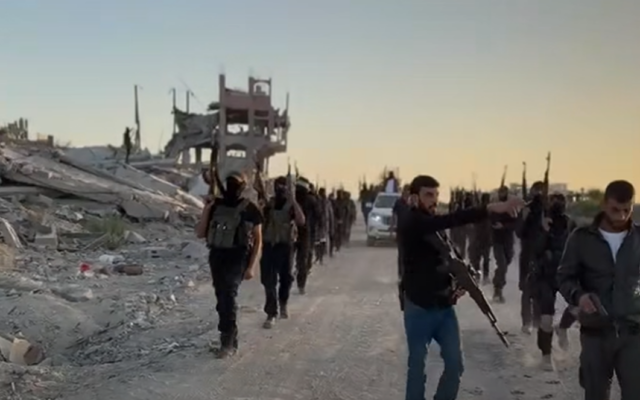
Despite the IDF’s support, some in Israel have voiced concern over the true motivations of the militias and their potential to threaten Israel.
“The interests of a militia are first of all to the militia, not to someone else. And it can turn on you,” recently retired senior officer Saar Tzur told the Journal.
Michael Milshtein, former IDF intelligence officer and one of Israel’s top scholars on Palestinian society, said that while the militias “may occasionally conduct a successful operation against Hamas,” they are likely to face a similar fate to the south Lebanon militias that Israel supported during the Lebanese civil war.
“It is a matter of time. They will have to choose whether to stay and be executed or arrested, or escape and join the IDF,” he said.
The IDF and Shin Bet both declined to comment on the report.



The Times of Israel Community.