

Israel said seeking to ensure more Palestinians are let out of Gaza than back in
With Rafah crossing set to open despite Israeli opposition, Israeli officials said to be insisting on setting up military checkpoint inside the Strip that will screen every Palestinian going in or out
 Add ToI as a Preferred Source on Google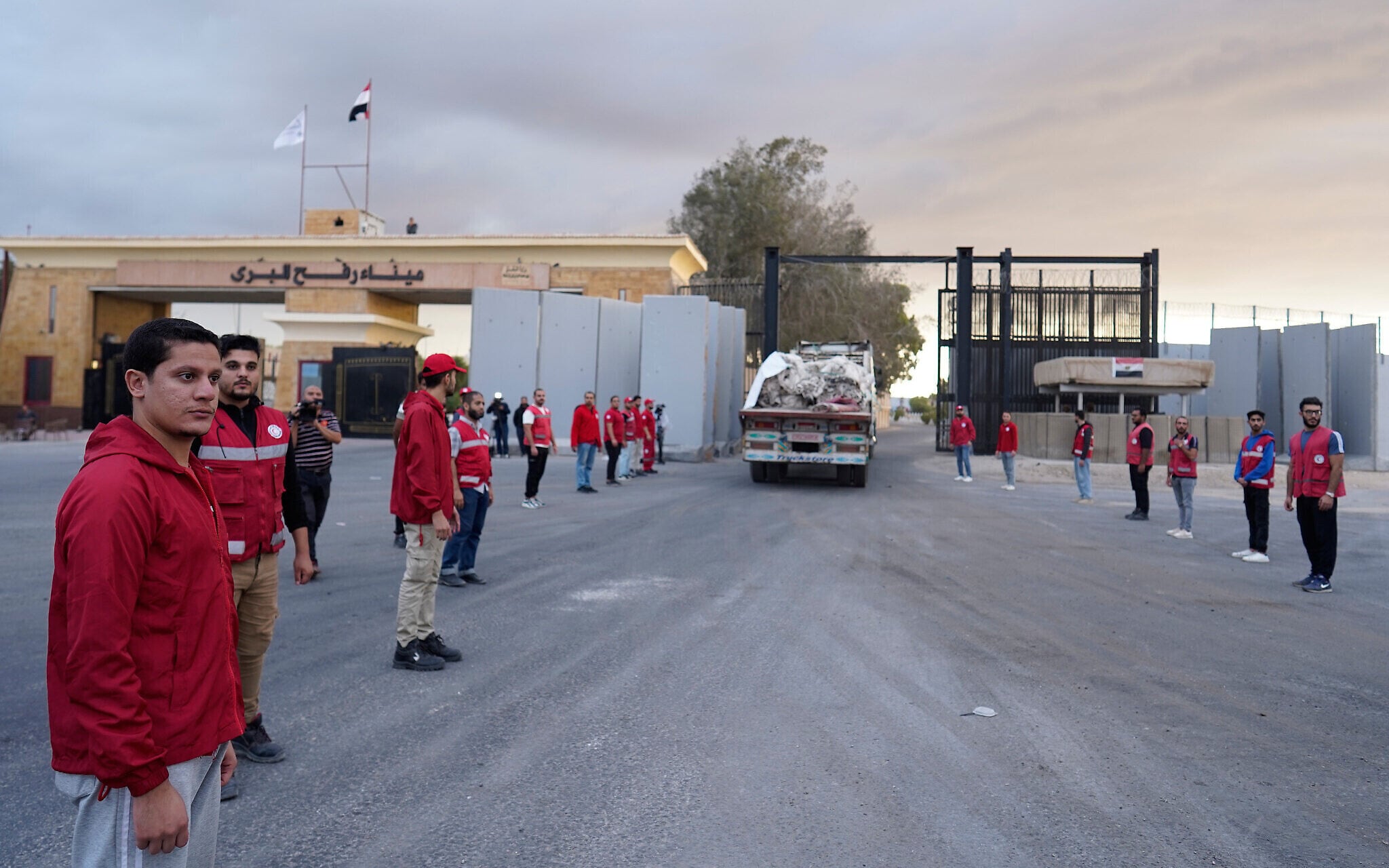
Israel wants to restrict the number of Palestinians entering Gaza through the border crossing with Egypt to ensure that more are allowed out than in, three sources briefed on the matter told Reuters ahead of the border’s expected opening next week.
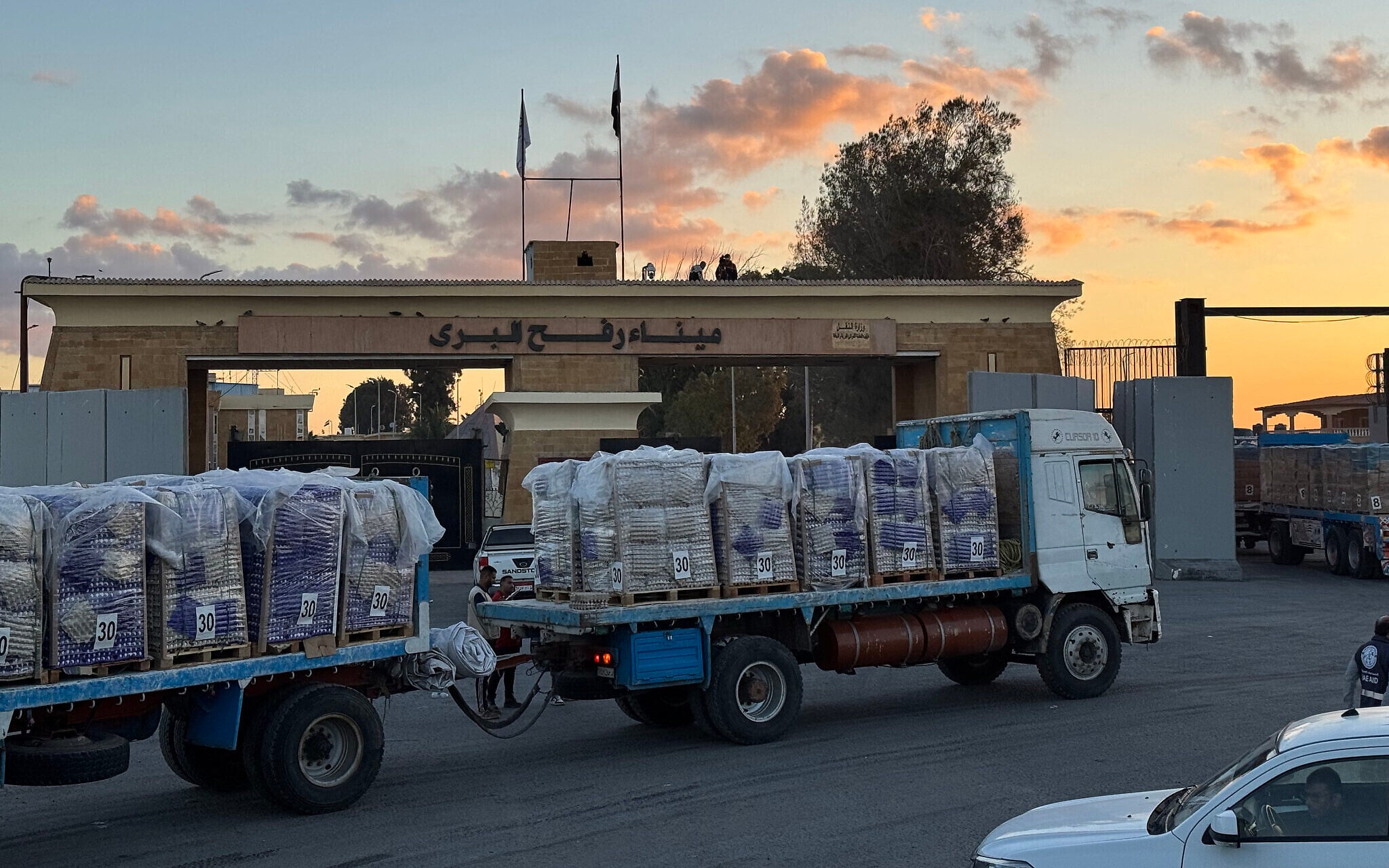
The head of a transitional Palestinian committee backed by the US to temporarily administer Gaza, Ali Shaath, announced on Thursday that the Rafah Border Crossing — effectively the sole route in or out of Gaza for nearly all of the more than 2 million people who live there — would open next week. Israel has not approved or confirmed the move, and the cabinet is set to discuss the issue on Sunday.
Under US President Donald Trump’s ceasefire plan, the border is supposed to open after Hamas returns all the hostages in Gaza. Hamas still has the body of Police Master Sgt. Ran Gvili, who was killed defending Kibbutz Alumim in southern Israel during the Hamas-led onslaught of October 7, 2023, that sparked the war in Gaza.
The Rafah Crossing was shut by Egypt after Israeli forces seized the Gaza side in May 2024, but was briefly reopened in early 2025 during a short-lived ceasefire. Israel has publicly agreed to open the crossing only for outbound traffic from Gaza until Gvili’s boy is returned. Prime Minister Benjamin Netanyahu will reportedly discuss the return of Gvili’s body and opening the Rafah Crossing during the cabinet meeting on Sunday.
The three sources, who spoke on condition of anonymity due to the sensitivity of the issue, said it was still not clear how Israel planned to enforce limits on the number of Palestinians entering Gaza from Egypt, or what ratio of exits to entries it aimed to achieve.
Israeli officials have spoken in the past about encouraging Palestinians to emigrate from Gaza, although they deny intending to transfer the population out by force. Palestinians are highly sensitive to any suggestion that Gazans could be expelled, or that those who leave temporarily could be barred from returning.
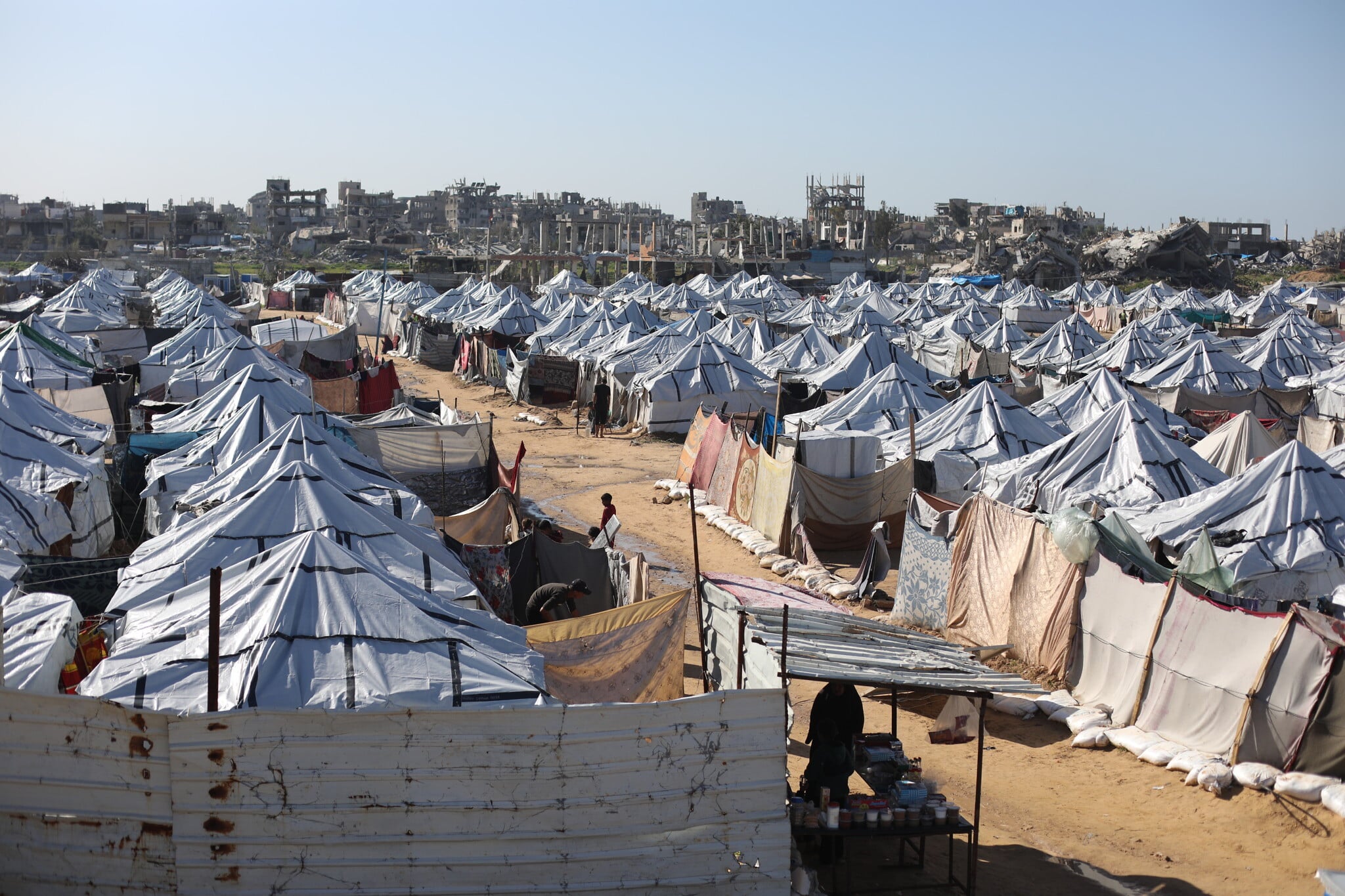
The Rafah crossing is expected to be staffed by Palestinians affiliated with the Ramallah-based Palestinian Authority and monitored by EU personnel, as took place during the early 2025 ceasefire between Israel and Hamas.
Netanyahu’s office did not immediately respond to a request for comment for this story. The military referred questions to the government, declining to comment.
The three sources said that Israel also wants to establish a military checkpoint inside Gaza near the border, through which all Palestinians entering or leaving would be required to pass and be subjected to Israeli security checks.
Two other sources also said that Israeli officials had insisted on setting up a military checkpoint in Gaza to screen Palestinians moving in and out.
The US Embassy in Israel did not immediately respond to a request for comment on whether Washington supported Israel in limiting the number of Palestinians entering Gaza or setting up a checkpoint to screen those entering and leaving.
The sources said that it was not clear how individuals would be dealt with if they were blocked by Israel’s military from passing through its checkpoint, particularly those entering from Egypt.








The Times of Israel Community.