

Lebanese judge orders retrial of American who served in Israel-backed militia
Amer Fakhoury, who received US citizenship last year and has advanced cancer, allegedly tortured prisoners at Khiam Prison while serving in Christian-led South Lebanon Army
 Add ToI as a Preferred Source on Google
BEIRUT — A Lebanese military judge on Tuesday appealed a verdict by the military tribunal that ordered the release of a Lebanese-American held since September on charges of working for an Israeli-backed Christian militia two decades ago, state-run National News Agency said.
Judge Ghassan Khoury asked the Military Court of Appeals to strike down an earlier ruling in favor of Amer Fakhoury and issue an arrest warrant against him. He asked that Fakhoury be put on trial again on charges of kidnapping, torturing and detaining Lebanese citizens as well as “killing and attempting to kill others,” according to NNA.
On Monday, Fakhoury was ordered released because more than 10 years had passed since he allegedly tortured prisoners at a jail run by the South Lebanon Army militia.
Some local media reported that Fakhoury was released but there was no official confirmation.
Fakhoury, 57, is a former SLA member who became a US citizen last year, and is now a restaurant owner in Dover, New Hampshire. His case has been closely followed in his home state of New Hampshire, where US Sen. Jeanne Shaheen and other officials have called for imposing sanctions on Lebanon to pressure Beirut to release him.
Tuesday’s appeal came after an outcry in Lebanon over the verdict that ordered him released, including harsh criticism from the powerful Hezbollah terror group that said the verdict to release Fakhoury came after “American pressures and threats.”
“This is a sad day for Lebanon and justice,” Hezbollah said in a statement adding that the reputation of Lebanon’s judiciary was at stake.
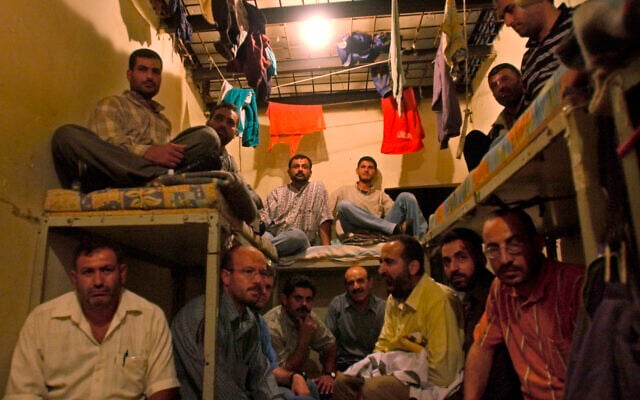
Riots also broke out in one of the country’s main prisons by detainees who demanded to be freed following Fakhoury’s verdict.
Fakhoury has not been attending questioning sessions in Lebanon over the past few months after being hospitalized with stage 4 lymphoma cancer.
Over the weekend, the Fakhoury family placed a sign on their restaurant’s door saying they anticipate reopening by early or mid-April, Seacoastonline.com reported.
Fakhoury has been jailed since September 12 after returning to Lebanon on vacation to visit family. Lebanon’s intelligence service said he confessed during questioning to being a warden at Khiam Prison, which was run by the SLA during Israel’s 18-year occupation of a narrow “security zone” along Lebanon’s southern border.
Human rights groups have described the prison as a center for torture.
Fakhoury’s family and lawyer, however, say he had no direct contact with inmates and was never involved in any interrogation or torture.
Lebanon and Israel have been officially at war since Israel’s creation in 1948. Lebanon bans its citizens from traveling to Israel or having contact with Israelis. During the three-decade Lebanese civil war, the country’s main Christian militias allied with Israel.
Fakhoury’s lawyer and family say he fled Lebanon in 2001 through Israel and eventually to the United States because of death threats he and many other former SLA members received after Israel’s withdrawal in 2000.
In February, Fakhoury was charged by a military judge with the murder and torture of inmates at Khiam Prison.
Hundreds of former Lebanese members of the SLA militia had fled to Israel, fearing reprisals if they remained in Lebanon. Others stayed and faced trial, receiving lenient sentences.


The Times of Israel Community.